



Relieving Pain with Modern Root Canal Treatment
When you have a severely infected or abscessed tooth, the pain can be excruciating. If there’s a chance of saving the tooth, we’ll recommend a root canal to clear the damaged tissue, but most patients balk at the thought. Root canals have gotten a bad reputation for being just as painful, if not more so, than the infected tooth itself, but this stems from improper treatment without the advanced technology of modern dentistry. At Mercier Dental, we care about your smile and the health of your teeth, and we know that nothing can quite replace the exact feel and functionality of your real tooth. We want you to be able to keep your natural teeth if possible, and while most patients are hesitant, we want you to understand the root canal procedure and how we do it differently.
Root Canal Procedure
A root canal usually consists of four steps that clear out the damage from an infection in an effort to save the tooth, instead of having it pulled, and it generally happens in two office visits.
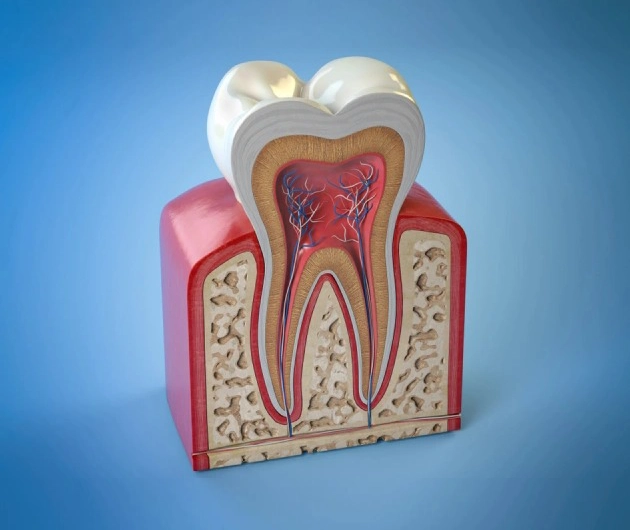
The first step is to numb the area with local anesthetic, which keeps you from feeling the procedure. Once the area has been numbed, specialized tools are used to get to the inside of your tooth, where we then gently clean out the damaged area, usually known as pulp, and file the tooth to shape the inner chamber and to accommodate the placing of a crown for later. After the dead and damaged tissue is removed, we flush the area to remove any traces of the diseased portion, dry it, and then fill it with a substance called gutta percha. We finish the first office visit by closing the hole in your tooth with a temporary filling to allow it to heal. After a few weeks’ healing time, you’ll come back to our office, we’ll check that the infection hasn’t come back and there are no issues, and then we’ll place a permanent crown over the top of your tooth to give it more strength and prevent further infections from occurring.
Our Standards in Procedures
The main benefit of a root canal is that you get to keep the tooth. While dentists used to prefer pulling an infected tooth, we know now that the best option for your mouth is to try and save it. Keeping the tooth in place is easier on your dental health than pulling the tooth, and it keeps you from being left with an unwanted space in your mouth, as well as saving you the expense of getting an implant to replace the tooth.
Our staff members don’t want you to dread coming to our office for an appointment. We understand your nervousness and apprehension, especially when it comes to root canals, but we know that healing happens faster and better when you experience less pain. Our method has given many patients excellent results with minimal discomfort, and it’s been shown to be more effective and a better experience for you than clearing out the pulp while the tooth is still infected.