


Dental crowns are a widely used solution for restoring damaged or weakened teeth. Whether a tooth is cracked, heavily filled, or cosmetically flawed, a dental crown can provide a reliable and aesthetically pleasing solution. However, as with any dental treatment, there are pros and cons to consider before proceeding.
What Are Dental Crowns?
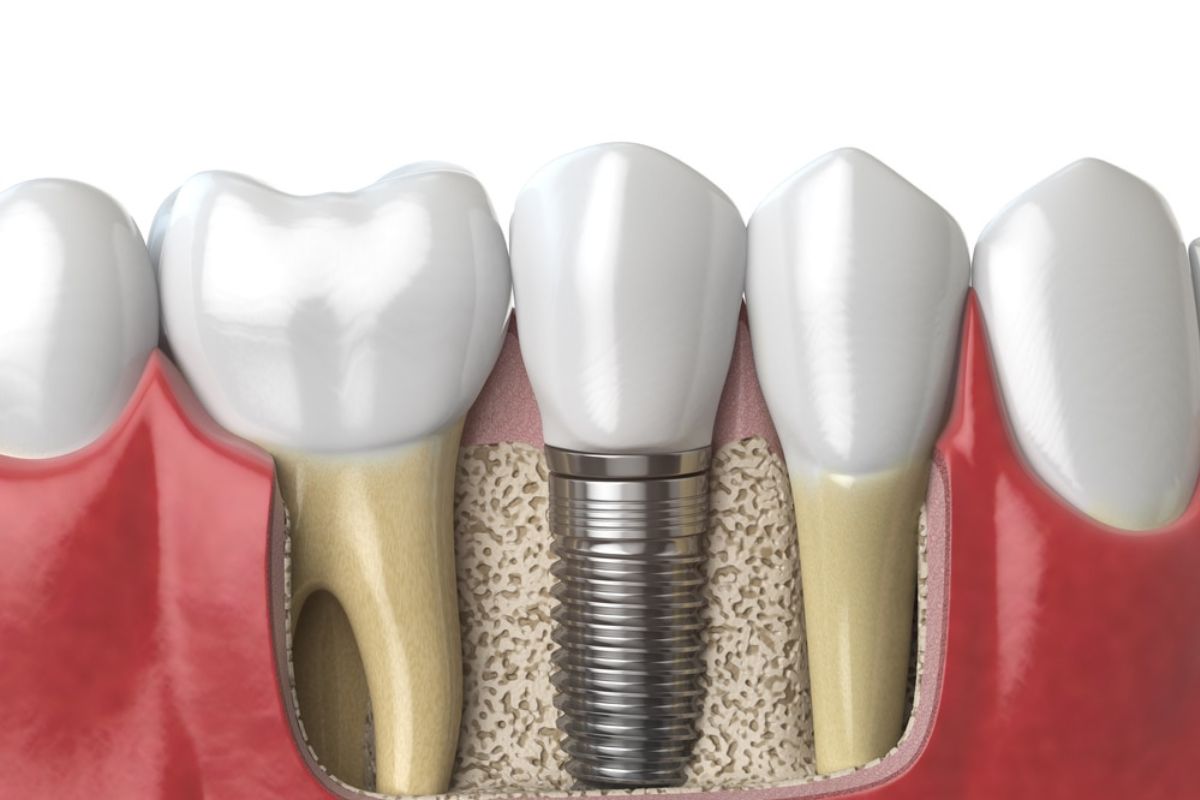
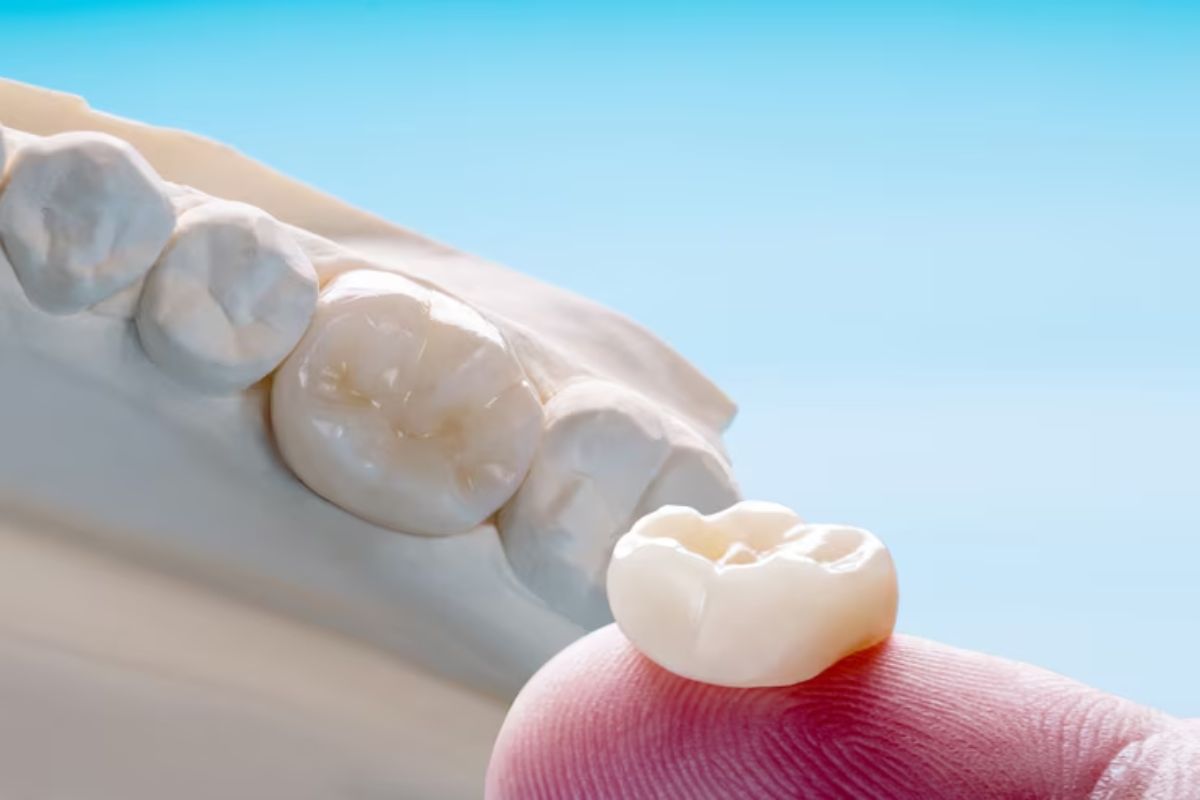
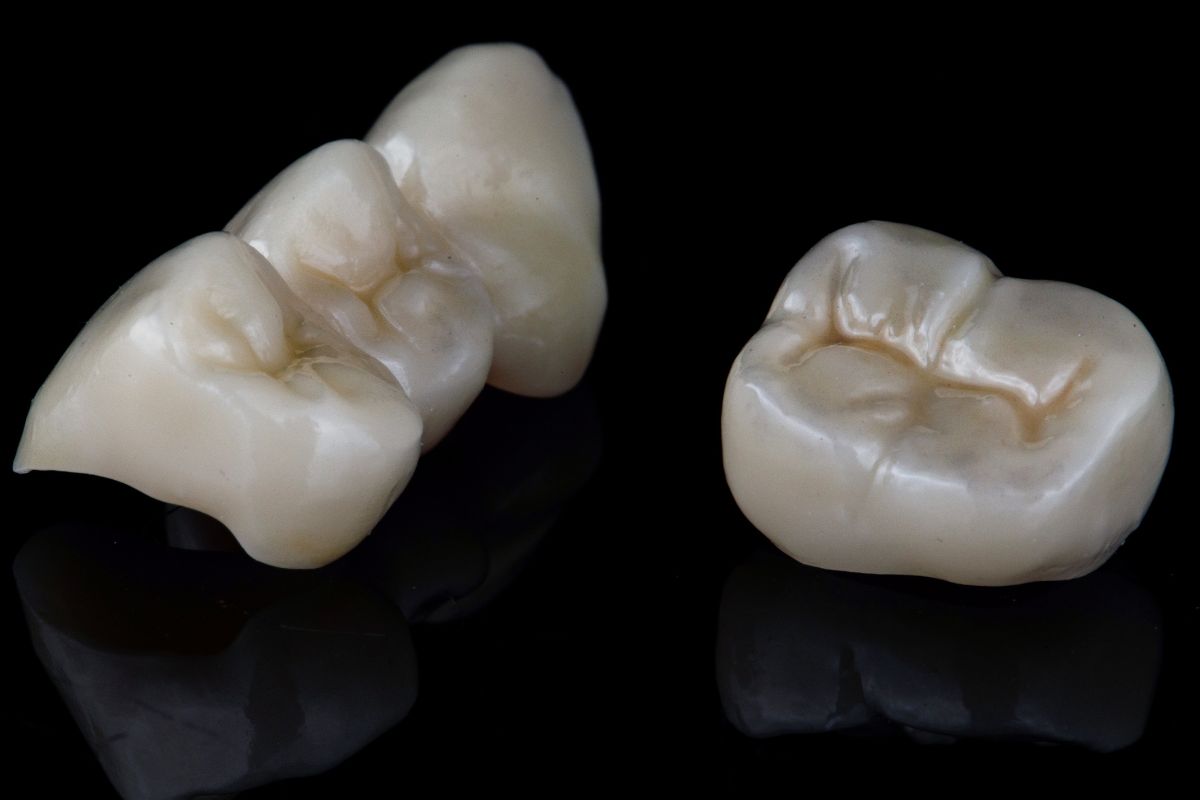
Dental crowns, often referred to as “caps,” are custom-made coverings that fit over a tooth to restore its shape, size, strength, and appearance. Crowns can be made from various materials, including porcelain, ceramic, metal alloys, or resin. They’re often used when a tooth is severely worn down or after a root canal procedure.
The Pros of Dental Crowns
1. Improved Appearance
Crowns can enhance the look of stained, chipped, or misshapen teeth. They blend in naturally with your existing teeth and can significantly improve your smile’s overall aesthetics.
2. Long-Lasting Durability
When properly cared for, crowns can last between 10 and 15 years—or even longer. Materials like porcelain and ceramic offer strength and durability, resisting everyday wear and tear from chewing and biting.
3. Restored Tooth Function
Crowns help restore the function of a compromised tooth. They allow for normal biting and chewing, making eating more comfortable and efficient.
4. Protection Against Sensitivity
A crown acts as a protective layer, beneficial if the tooth has been affected by decay or dental procedures. It helps shield the tooth from temperature sensitivity and further damage.
The Cons of Dental Crowns
1. Cost Factors
Dental crowns can be costly, especially when made with high-quality materials or if multiple teeth are involved. Insurance may cover part of the cost, but out-of-pocket expenses can add up.
2. Temporary Sensitivity
Some patients experience temporary sensitivity to hot or cold temperatures after a crown is placed. This usually resolves within a few days; however, prolonged discomfort should be evaluated by a dental professional.
3. Possibility of Damage
Although crowns are durable, they can chip or break, especially if you grind your teeth or bite down on complex objects. Damaged crowns may require replacement, which adds to the long-term expense.
4. Maintenance Required
Maintaining a crown means practicing good oral hygiene. While the crown itself won’t decay, the tooth underneath can still develop cavities if not properly cared for. Daily brushing, flossing, and regular dental checkups are essential.
Is a Dental Crown Right for You?
Deciding on a dental crown depends on the condition of your tooth, your oral health goals, and your budget. Crowns offer both cosmetic and functional advantages, but it is essential to weigh these against the potential downsides. A consultation with your dentist can help determine if this treatment is the best option for your needs.
Final Thoughts
Dental crowns offer a strong, natural-looking solution for damaged or unattractive teeth. They can restore both function and appearance, making them a popular choice in modern dentistry. While there are a few considerations to keep in mind, the benefits often make them a worthwhile investment in your long-term oral health.