



Dental implants are a widespread and long-lasting solution for replacing missing teeth. They restore function, improve appearance, and provide a natural feel. However, like any dental restoration, implants can sometimes become loose. A loose dental implant is a serious concern that shouldn’t be ignored. Prompt action is key, whether it’s due to bone loss, mechanical issues, or improper placement. In this guide, we’ll walk you through identifying, managing, and fixing a loose dental implant.
Step 1: Understand the Type of Looseness
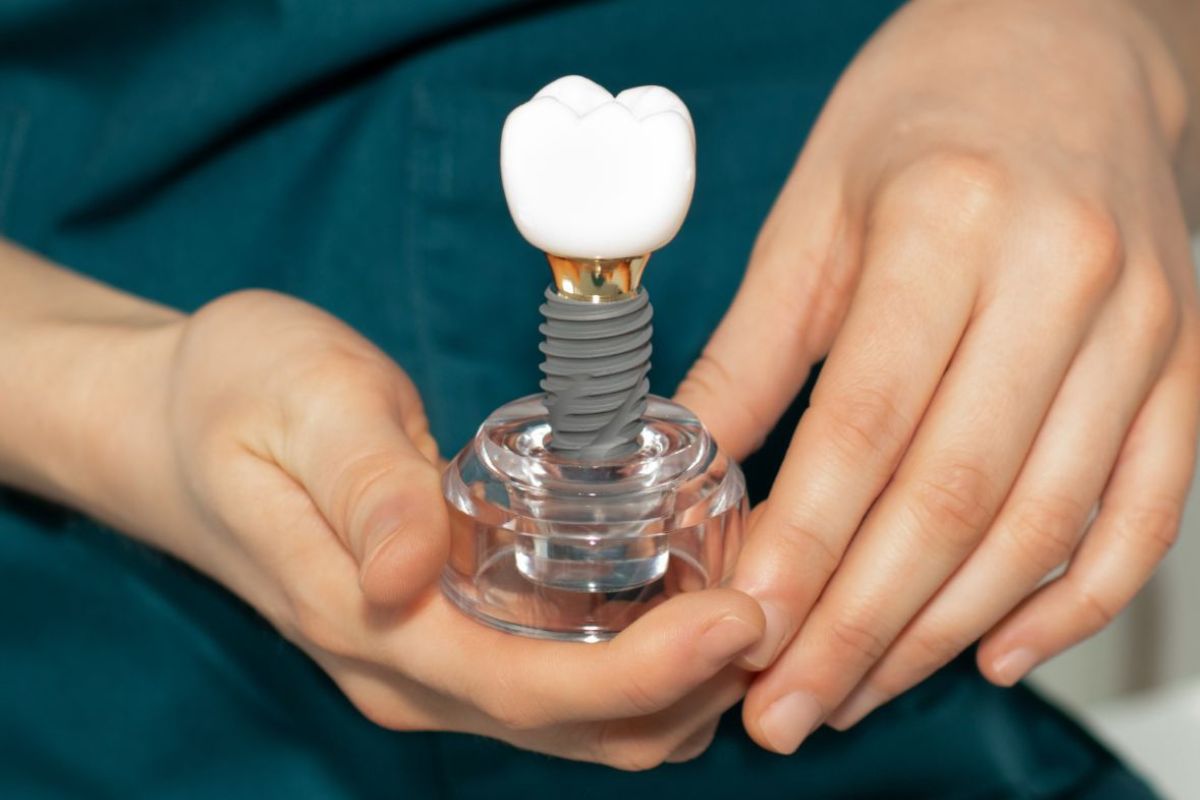
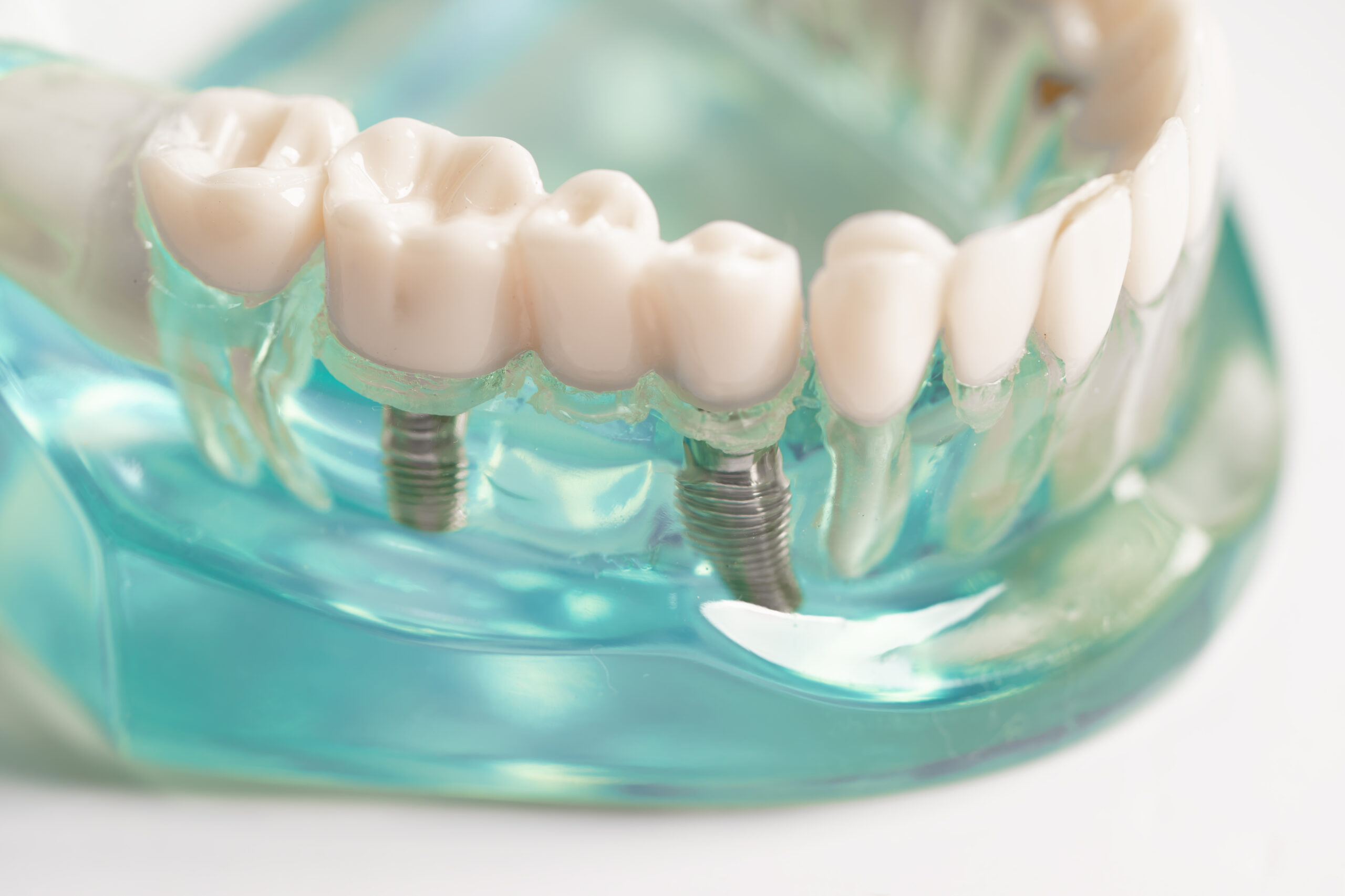
The first step in fixing a loose dental implant is determining which part is loose. Not all implant-related looseness is the same:
- Crown Looseness: If only the crown (the visible tooth portion) is loose, it might be due to a loose screw or worn-out cement.
- Abutment Looseness: The abutment connects the implant post to the crown. If it’s loose, you may hear clicking or feel movement.
- Implant Looseness is the most serious. It means that the actual implant post (placed in the jawbone) is no longer stable. This often signals bone loss or implant failure.
Each scenario requires a different treatment approach, so proper diagnosis by a dental professional is essential.
Step 2: Avoid DIY Fixes
Never try to fix a loose dental implant at home. Using glue, pushing the implant, or trying to screw it tighter can cause permanent damage. Instead, contact your dentist as soon as you notice any looseness. Until then:
- Avoid chewing on the affected side
- Stick to soft foods
- Maintain gentle oral hygiene
- Keep the area clean to prevent infection
Step 3: See Your Implant Dentist Promptly
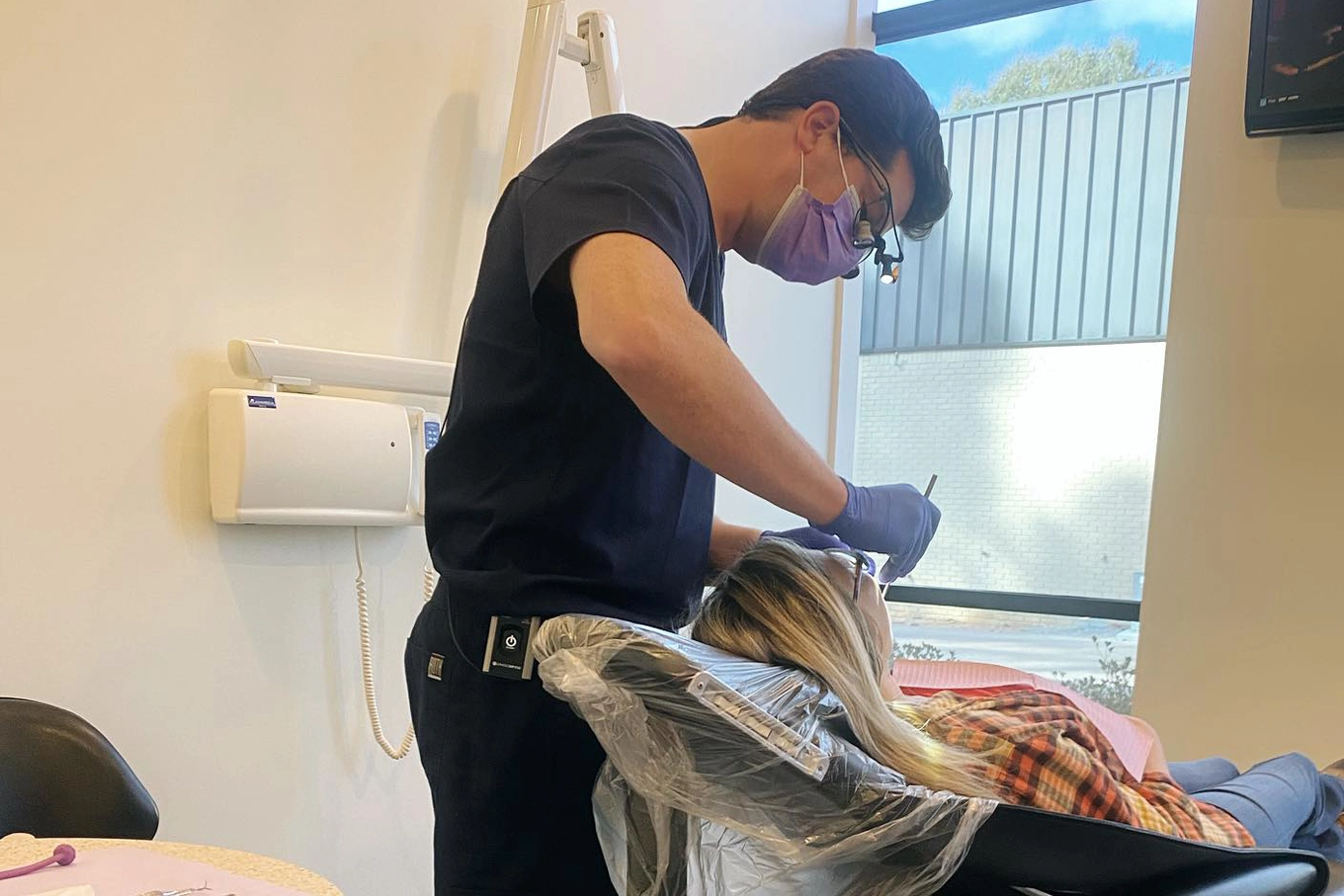
Once you visit your dentist, they will examine the implant using X-rays and physical evaluation. This helps determine if the looseness is mechanical (crown or abutment) or biological (implant failure).
If you’ve recently searched for “dental implants near me” in New Albany, choose a dentist with experience in implant restoration and repairs. An expert can address the issue precisely without further compromising your oral health.
Step 4: Treatment Options Based on the Problem
Depending on the cause, your dentist may recommend:
- Tightening the Abutment Screw: If the screw connecting the crown to the implant is loose, it can often be re-tightened with a special tool.
- Replacing the Crown or Abutment: Replacing the worn part can restore stability if damage occurs.
- Managing Bone Loss: If bone loss is causing the implant to loosen, treatments like bone grafting may be needed. After healing, a new implant might be placed.
- Complete Implant Removal and Replacement: In cases of implant failure, removal and replacement are the last resort. This may take several months to complete, including healing time.
Step 5: Prevent Future Implant Issues
Prevention is always better than a cure. Here’s how to care for your dental implants:
- Brush and floss daily
- Avoid hard or sticky foods
- Visit your dentist every 6 months
- Stop smoking, as it increases the risk of implant failure risk
- Wear a nightguard if you grind your teeth
These habits can extend the life of your implant and reduce the risk of future complications.
Conclusion: Don’t Ignore a Loose Implant
A loose dental implant is more than just a minor inconvenience; it’s a sign that something isn’t right. Acting quickly can mean distinguishing between a simple fix and a complete replacement. If you feel your implant moving or notice discomfort, don’t delay.
Request an appointment today with a dental implant provider to assess your situation and get the proper treatment. Your oral health deserves expert care and attention. Take the first step toward a secure, lasting smile.