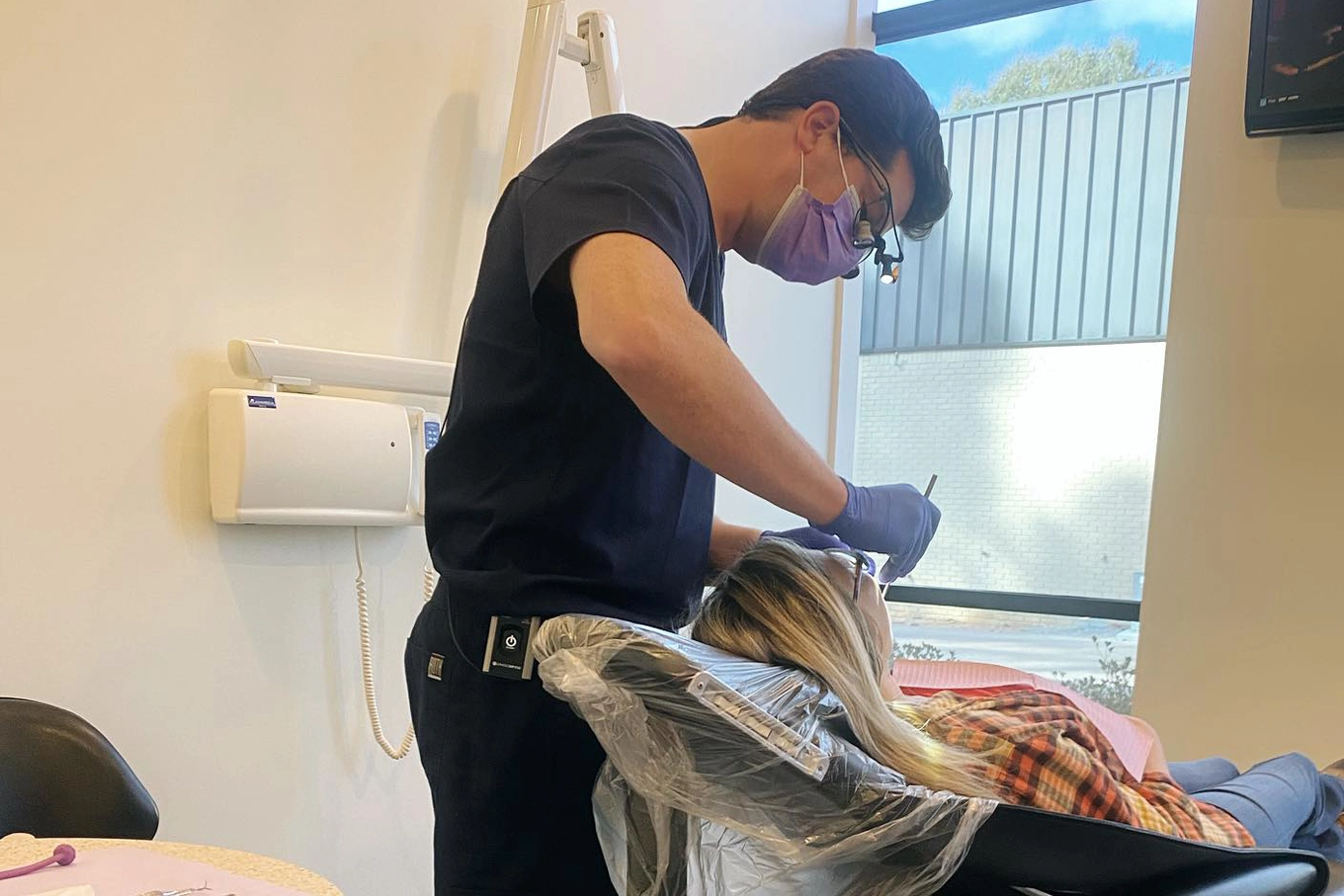





When it comes to your oral health, it’s easy to overlook small changes in your gums. Many people focus only on their teeth, but healthy gums are just as crucial for a strong smile. Gum disease often develops silently, showing little to no pain in its early stages. Recognizing the first signs can help you take action before it turns into something more serious.
Below, we’ll explain the early symptoms of gum disease, why they matter, and when you should see your dentist for help.
What Is Gum Disease?
Gum disease, also known as periodontal disease, is an infection of the tissues that support your teeth. It usually starts with plaque buildup, which irritates the gums. If left untreated, it can progress from mild inflammation (gingivitis) to more severe stages that may damage the bone and lead to tooth loss.
Common Early Signs of Gum Disease
Spotting gum disease early is the key to protecting your smile. Here are some of the first signs to look for:
1. Red or Swollen Gums
Healthy gums are usually firm and pink. If you notice your gums are red, puffy, or tender, it could mean inflammation is setting in.
2. Bleeding When Brushing or Flossing
A little blood on your toothbrush or floss is not normal. Bleeding gums are one of the earliest warnings that your gums need attention.
3. Persistent Bad Breath
Bad breath that doesn’t go away with brushing and mouthwash could be linked to gum disease. Bacteria trapped under the gums may be the cause.
4. Gum Sensitivity or Discomfort
Your gums might feel sore or sensitive even without visible swelling. This can be an early clue of irritation or infection.
5. Receding Gums
If your teeth look longer than before or your gums appear to be pulling back, gum recession may be a common sign of early gum disease.
Why You Shouldn’t Ignore These Signs?
Gum disease doesn’t go away on its own. If left untreated, what starts as mild gingivitis can progress to periodontitis, leading to gum recession, bone loss, and even tooth loss. Early detection gives your dentist the best chance to stop the disease from advancing.
For example, if you search for a dentist in New Albany who treats gum disease, you’ll find that early care usually involves simple professional cleanings and better home care. But advanced stages may require deeper treatments.
When to See a Dentist?
If you notice any of the symptoms above, it’s a good idea to schedule a dental checkup. Even if your discomfort is minor, your dentist can examine your gums and create a plan to restore your oral health.
Simple Ways to Prevent Gum Disease
While professional care is important, small daily habits make a big difference in keeping your gums healthy:
- Brush at least twice a day with a soft-bristle toothbrush.
- Floss daily to remove plaque between teeth.
- Rinse with water after meals if brushing isn’t possible.
- See your dentist regularly for cleanings and exams.
Conclusion
Catching gum disease early can save your smile from long-term problems. If you’ve noticed bleeding gums, swelling, or bad breath, don’t wait until it worsens. Visit Mercier Dental today to check your gums and keep your oral health on track. Request an appointment with us today.