




If you’re considering getting dental implants, bone density is one of the most important factors determining success. A strong, healthy jawbone gives the implant a solid foundation to stay in place for years to come. But what happens if your bone isn’t dense enough? The good news is that there are ways to strengthen your bones and improve your chances of successful treatment.
In this guide, we’ll explain the basics of bone density, why it matters for implants, and the steps you can take to boost it.
Why Does Bone Density Matter for Dental Implants?
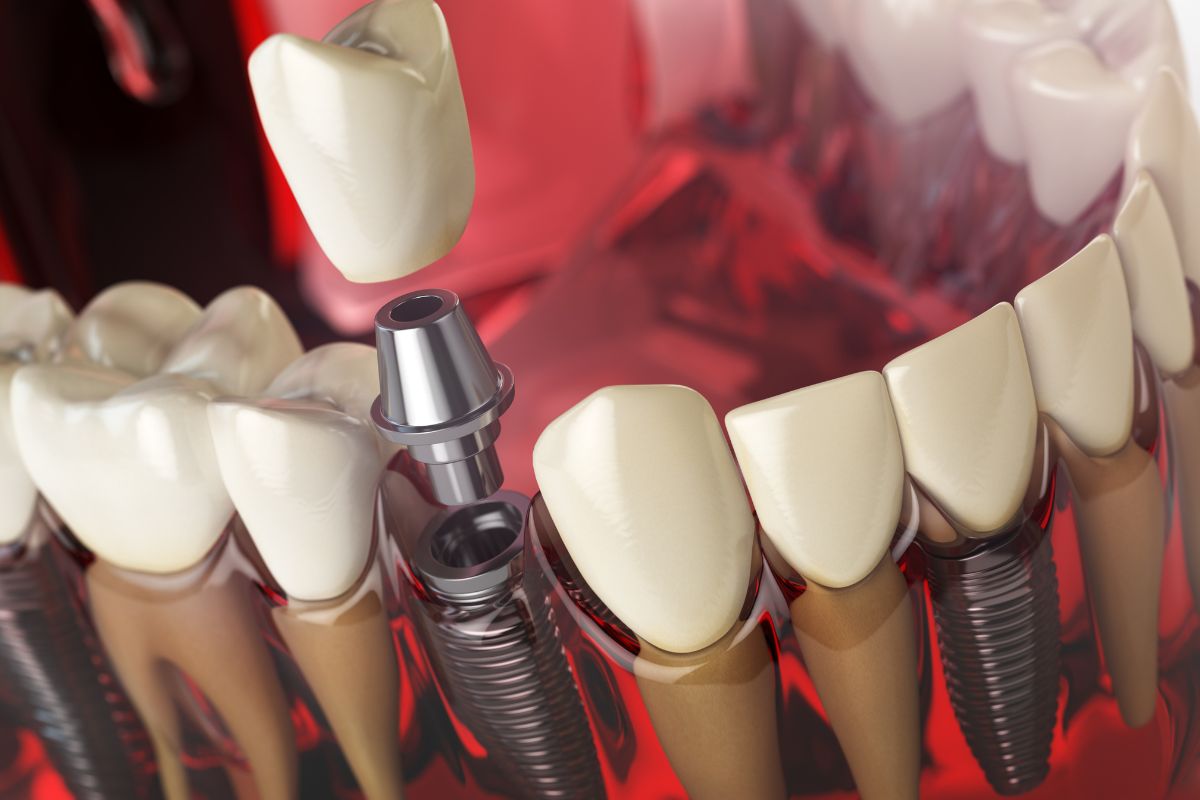
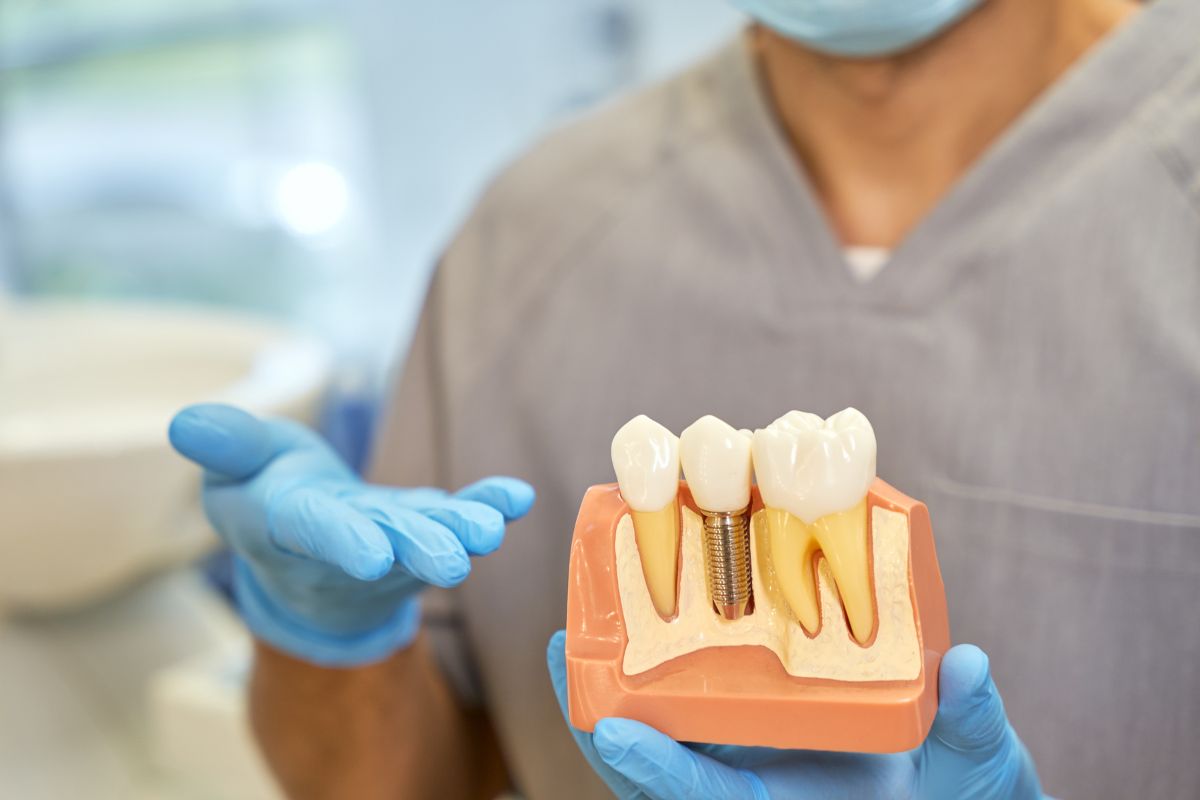
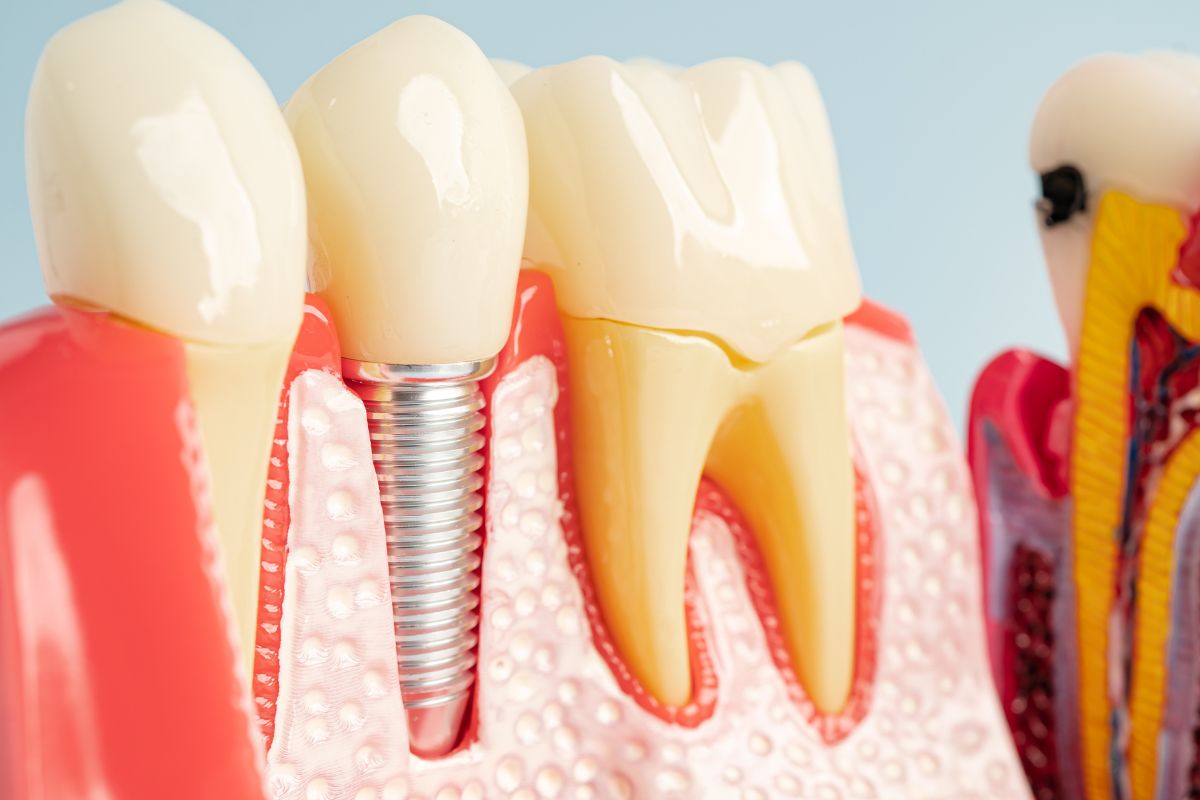
Bone density refers to how strong and thick your jawbone is. Dental implants are surgically placed into the bone, so if the bone is too thin or weak, the implant may not hold properly. This could lead to complications such as implant failure.
In New Albany, many patients looking into tooth replacement options are surprised to learn that bone health is just as important as healthy gums in treatment planning.
Step 1: Know the Causes of Bone Loss
Understanding why bone loss happens is the first step to preventing it. Common causes include:
- Tooth loss – When a tooth is missing, the jawbone in that area may shrink over time.
- Gum disease – Advanced gum infections can damage the gums and the bone.
- Injury – Trauma to the jaw can affect bone structure.
- Age – As we get older, natural bone density may decrease.
Step 2: Get a Bone Density Evaluation
Before proceeding with dental implants, our dentist will usually take X-rays or a 3D scan of your jaw. This helps them determine whether your bone is strong enough to support the implant. If it’s not, don’t worry—there are options to help.
Step 3: Explore Treatment Options to Improve Bone Density
If your bone isn’t dense enough for implants, your dentist may recommend one of these treatments:
- Bone grafting – Adding bone material to strengthen weak areas of the jaw.
- Sinus lift – A procedure that increases bone in the upper back jaw.
- Guided tissue regeneration – Encourages the body to rebuild bone naturally.
These treatments can create a stable foundation so dental implants have the best chance of success.
Step 4: Support Bone Health with Everyday Habits
Even after treatment, maintaining strong bones is important. You can support bone health by:
- Eating foods rich in calcium and vitamin D
- Avoiding smoking and excessive alcohol use
- Staying active to improve overall bone strength
- Keeping up with regular dental checkups
Step 5: Work Closely with Your Dentist
Every patient’s situation is different, so the best step is to follow your dentist’s recommendations. They can guide you through the process and ensure that your bone health supports long-term implant success.
Conclusion
Dental implants are a reliable solution for missing teeth, but having healthy bone is key to making them last. By understanding the causes of bone loss, exploring treatments, and supporting your bone health daily, you can boost your chances of a successful implant experience.
At Mercier Dental, we’re here to help guide you every step of the way. Request an appointment today to learn more about your options for restoring a strong, healthy smile.