


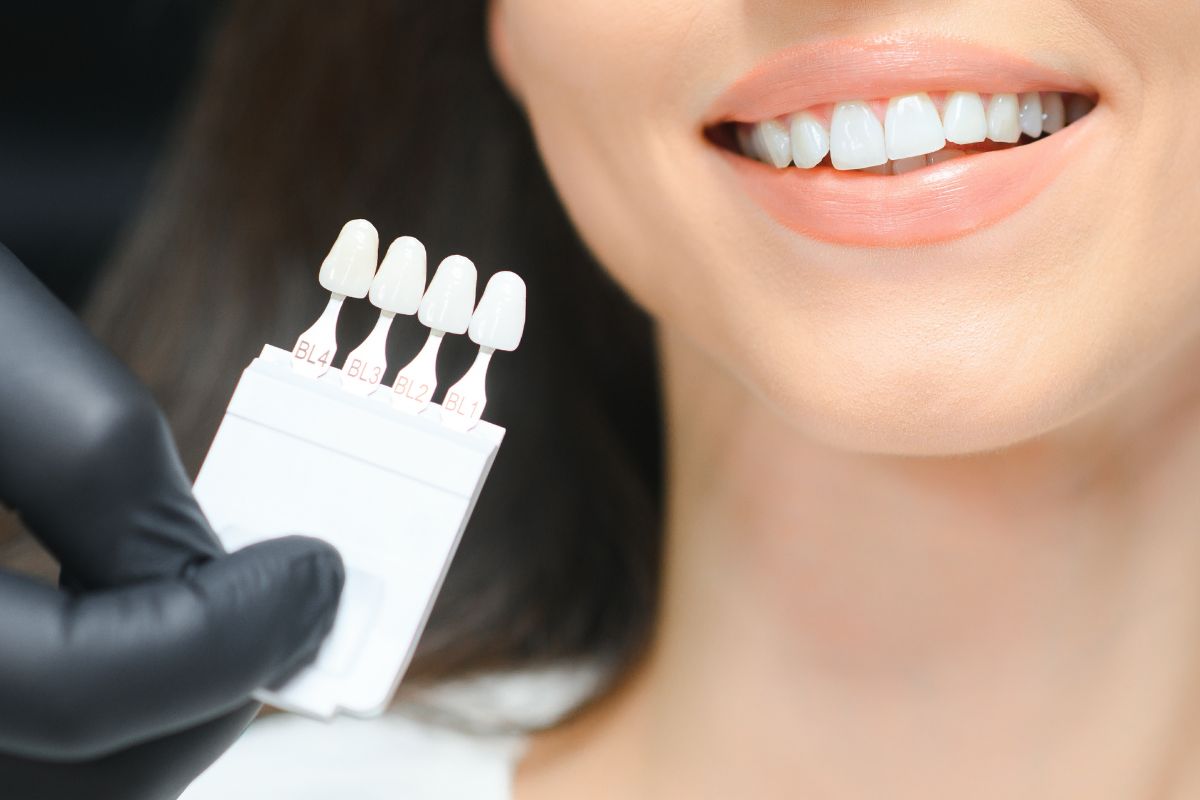
If you’ve invested in dental veneers to improve your smile, it’s natural to wonder whether cavities are still something you need to worry about. Veneers cover the front of your teeth and create a strong, attractive surface—but the natural tooth underneath is still very much present. And because that tooth can still be affected by decay, understanding how cavities form (and how to prevent them) is important.
Let’s break it down simply so you can feel confident about keeping your veneers and natural teeth healthy.
Do Dental Veneers Prevent Cavities?
This is one of the most common questions patients ask.
Veneers themselves cannot get cavities because they’re made from durable materials like porcelain or composite. However, the natural tooth underneath the veneer can still develop decay, especially around the edges where the veneer meets your enamel.
Think of a veneer as a protective front cover, not a full shield.
How Cavities Form Under or Around Veneers?
Even though veneers are strong, they don’t stop plaque or bacteria from affecting the natural tooth structure. Cavities can develop when:
• Oral hygiene slips
If plaque builds up, bacteria can settle around the edges of the veneer and slowly break down natural enamel.
• Gum recession exposes enamel
When gums pull away, the area below the veneer becomes vulnerable.
• Veneers have small gaps or worn edges
Over time, bonds can weaken. Bacteria can slip into tiny spaces and start causing decay behind the veneer.
• Diet is high in sugar, or you experience dry mouth
A dry mouth reduces saliva, which typically washes away bacteria. This allows cavities to form more easily.
So while veneers don’t decay, the tooth they’re attached to still needs daily care.
Signs You May Have a Cavity with Veneers
Cavities behind veneers aren’t always apparent at first. You may notice:
- Sensitivity to hot or cold
- Pain when chewing
- A dark spot near the edge of the veneer
- A veneer that feels loose
- Bad breath from trapped bacteria
If anything feels “off,” don’t ignore it. Early treatment leads to better outcomes.
How to Prevent Cavities With Veneers?
Most cavities related to veneers can be avoided with simple habits:
• Brush twice a day
Use a soft-bristle brush and fluoride toothpaste.
• Floss daily
It removes plaque from the places your brush can’t reach.
• Visit your dentist for regular cleanings
Professional exams help catch early signs of decay or loose veneer edges.
• Avoid chewing hard items
Ice, pens, and fingernails can crack veneers or create gaps where bacteria can enter.
• Use a fluoride rinse if recommended
It strengthens the natural tooth structure behind the veneer.
Daily care goes a long way toward keeping both your veneers and natural teeth healthy.
Can Veneers Be Repaired If You Get a Cavity?
Yes—most of the time.
If a cavity is small and caught early, your dentist may be able to treat the decay without removing the veneer. However, if the cavity is larger or the veneer has become loose, it might need to be replaced.
Either way, dentists aim to keep as much of your natural tooth structure intact as possible.
Keep Your Smile Healthy with Proper Veneer Care – Visit Mercier Dental
Cavities can still happen with dental veneers, but with good habits and routine checkups, they’re very easy to prevent. If you notice sensitivity, staining, or a veneer that doesn’t feel quite right, our team at Mercier Dental is here to help you protect your smile for years to come. Request an appointment today to keep your veneers and natural teeth strong and healthy.