


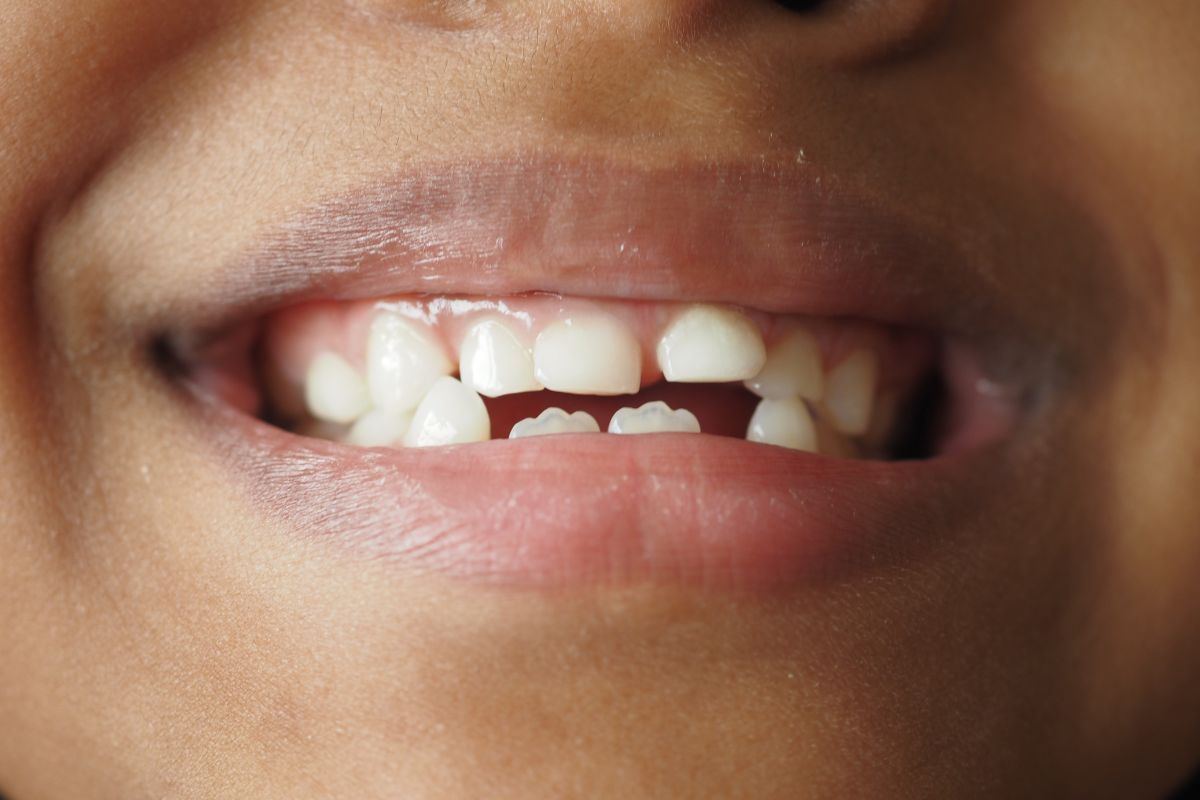
Have you ever noticed that one or two of your teeth look smaller, narrower, or more pointed than the rest? For many people, this isn’t just a minor detail—it can affect how confident they feel when smiling. These small, oddly shaped teeth are commonly known as peg teeth, and while they’re not unusual, they often raise questions.
Understanding what peg teeth are and what can be done about them can help you feel more comfortable and informed about your dental health.
What Are Peg Teeth?
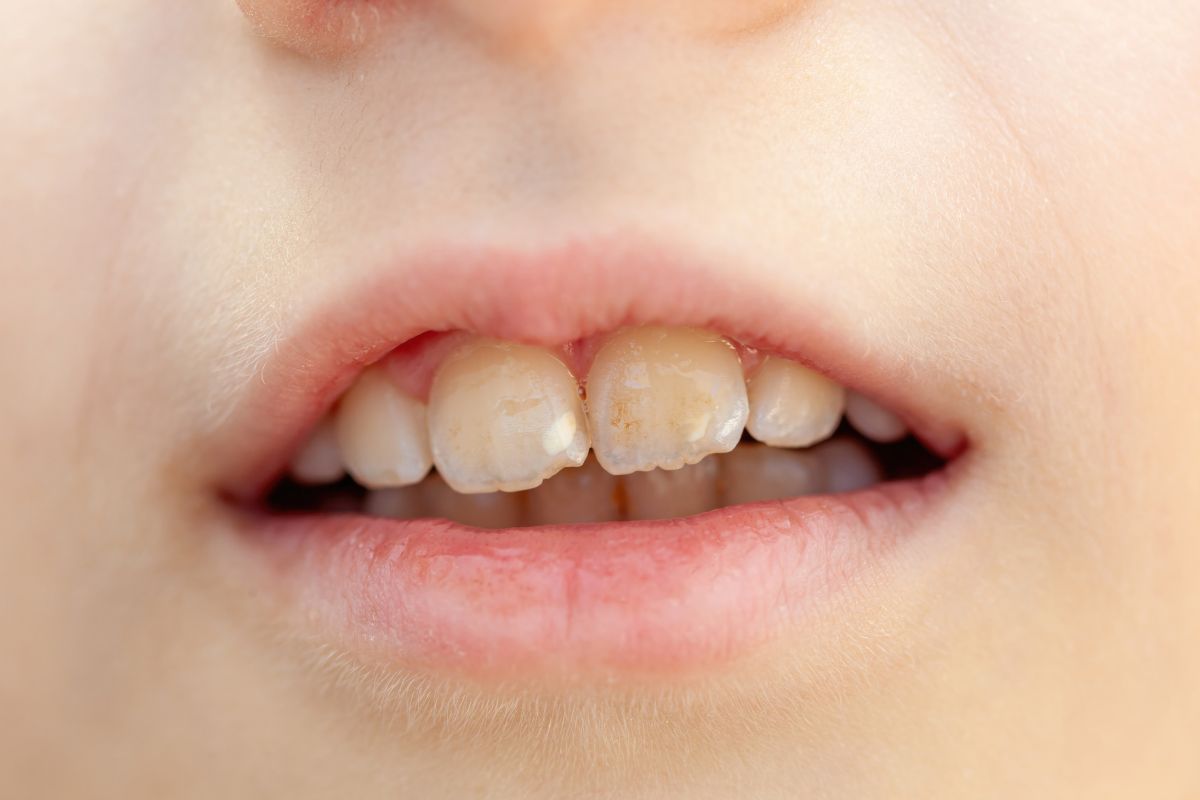
Peg teeth are teeth that don’t develop into their typical shape or size. They are usually smaller, tapered, and may look slightly pointed. Most often, peg teeth affect the upper lateral incisors, which are the teeth located on either side of the front teeth.
While peg teeth are usually healthy and functional, their appearance often stands out, especially when you smile.
What Causes Peg Teeth?
Peg teeth are most commonly caused by genetics. If someone in your family has had similarly shaped teeth, there’s a chance it can be passed down.
They form during early tooth development, meaning they are not caused by brushing habits, diet, or anything you did wrong. In most cases, peg teeth develop naturally and remain that way unless treated.
Are Peg Teeth a Dental Problem or a Cosmetic Concern?
For many people, peg teeth are primarily a cosmetic concern. Their smaller size can create gaps between teeth or make the smile look uneven.
In some cases, peg teeth may also affect how the teeth fit together, which can lead to minor bite issues over time. Whether or not treatment is necessary depends on how the teeth function and how the individual feels about their appearance.
Common Treatment Options for Peg Teeth
There isn’t a one-size-fits-all solution for peg teeth. Treatment is usually tailored to the patient’s needs and goals.
Dental bonding is one of the most common options. A tooth-colored material is applied to reshape the tooth and blend it naturally with surrounding teeth.
Veneers are another option for those looking for a longer-lasting solution. These thin shells are placed over the front of the tooth to improve size, shape, and overall appearance.
In some cases, crowns may be recommended, especially if the tooth needs additional strength or structure.
Occasionally, orthodontic treatment is combined with cosmetic care to address spacing or alignment concerns.
When Should You Consider Treatment?
You might consider treating peg teeth if:
- The size or shape of the tooth makes you feel self-conscious
- There are noticeable gaps between teeth
- Your bite feels uneven or uncomfortable
A dental evaluation can help determine whether treatment would be helpful or if monitoring is all that’s needed.
If you’ve been wondering whether peg teeth can be improved or if treatment is proper for you, reaching out to a dental professional can help clarify your options and next steps—request an appointment to discuss your concerns.
Get a More Confident Smile with Care You Can Trust – Visit Mercier Dental
Peg teeth are more common than many people realize, and they’re often easy to manage with the right approach. If you’re exploring solutions and feel unsure where to start—or if you are looking for a dentist near me in New Albany who can explain your options clearly—professional guidance can make all the difference.
At Mercier Dental, we take time to help patients understand their dental concerns and make informed decisions. If you’d like personalized advice from a Dentist in New Albany, MS, we invite you to visit our dental office and learn more about what’s right for your smile.