



If you’ve lost a tooth and are thinking about dental implants, you may hear your dentist mention something called a bone graft. That can raise a lot of questions, especially one common concern: How long do I need to wait before I can actually get the implant?
The answer isn’t the same for everyone, but understanding the process can make the waiting period feel a lot more manageable.
What Is a Bone Graft and Why Is It Needed?
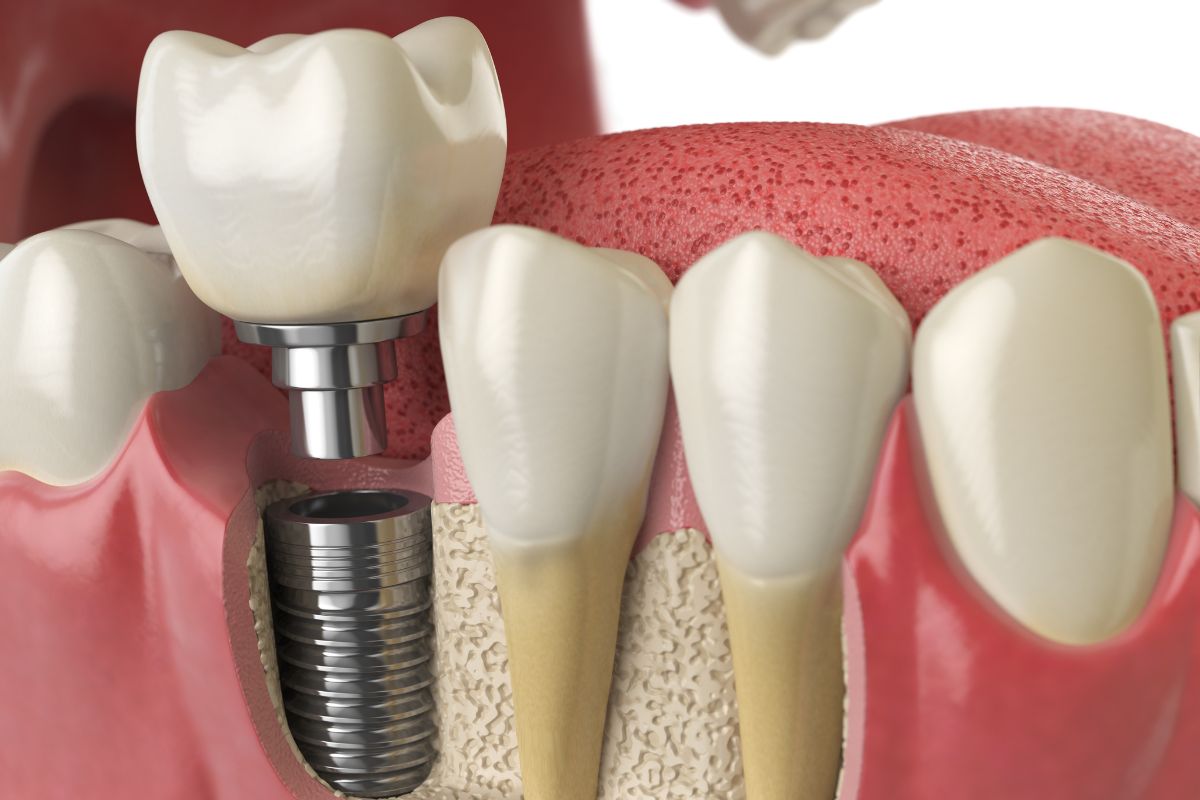
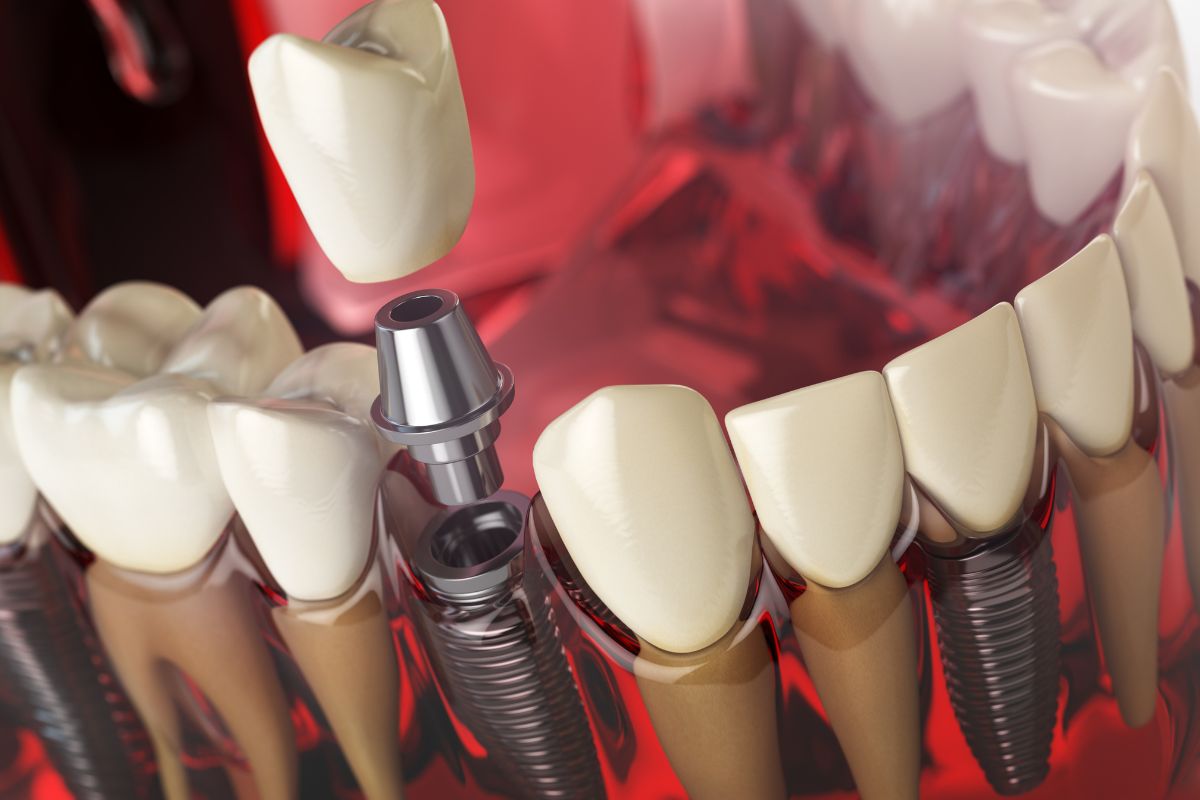
A bone graft is a procedure that helps rebuild or strengthen the jawbone. When a tooth has been missing for a while, the bone underneath it can shrink. This happens because the bone no longer has a tooth root to support.
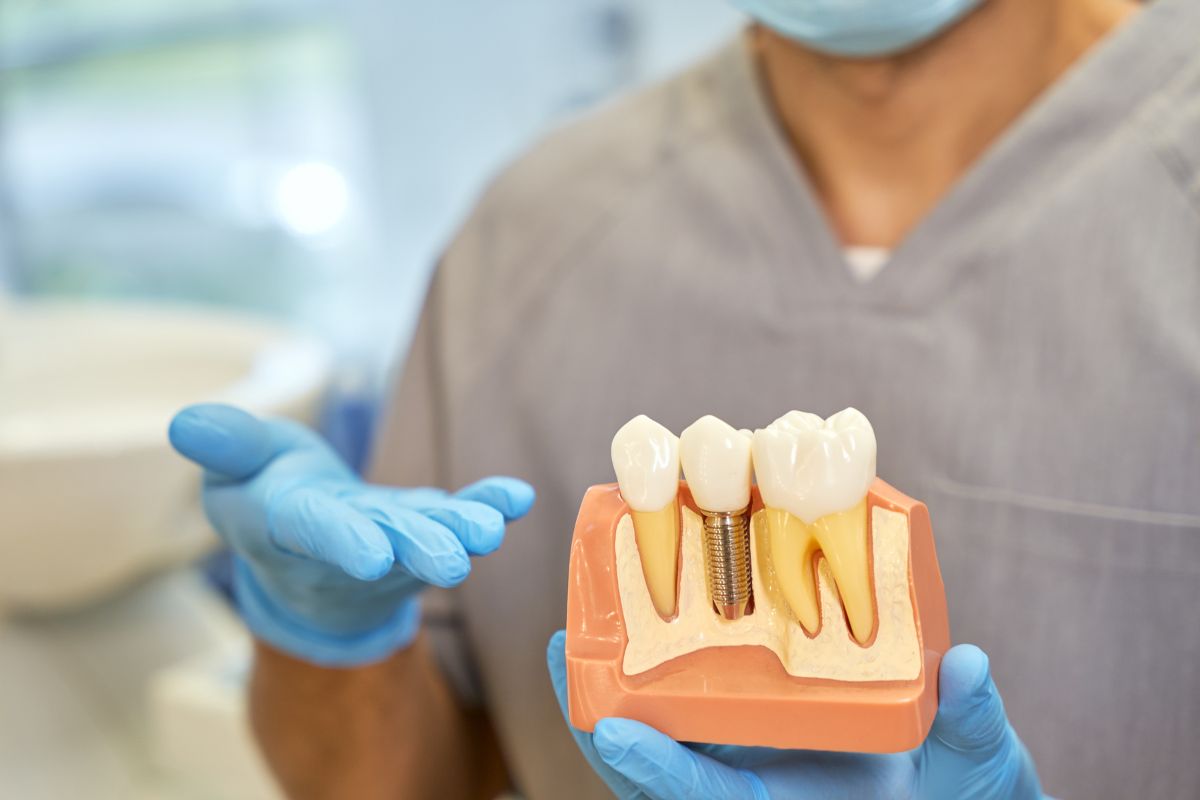
Dental implants need a strong, healthy foundation. Without enough bone, the implant may not stay secure. That’s where a bone graft helps—it gives your jaw the support it needs before moving forward with a dental implant procedure.
Healing After a Bone Graft: What Happens First
After the graft is placed, your body begins a natural healing process. Over time, the graft material blends with your existing bone. This process doesn’t happen overnight.
In the first few weeks, the area starts to stabilize. Over the next few months, the bone becomes stronger and more solid. Most patients notice mild soreness early on, but that usually improves as healing progresses.
How Long Do You Typically Wait Before Dental Implants?
In most cases, patients wait three to six months after a bone graft before getting dental implants. This gives the bone enough time to heal and properly support the implant.
That said, the timeline can vary. Some people heal faster, while others may need a little more time. The size of the graft, overall health, and how well post-care instructions are followed all play a role.
Can Implants Ever Be Placed Sooner?
In certain situations, implants can be placed sooner—or even at the same time as the bone graft. This usually depends on the extent of bone loss and how stable the area appears during the procedure.
Not everyone is a good candidate for early placement. A careful evaluation is always needed to make sure the implant has the best chance of long-term success.
Why Rushing the Process Can Cause Problems?
It can be tempting to speed things up, but placing an implant before the bone is ready can cause complications. The implant may not bond properly with the bone, which can affect its stability.
Giving your body enough time to heal helps protect your investment and improves the chances that your implant will last for years to come.
What You Can Do During the Waiting Period
While you’re waiting, small daily habits can make a big difference. Stick to soft foods early on, avoid smoking, and keep the area clean as instructed. Attending follow-up visits allows your dentist to track healing and catch concerns early.
If you ever feel unsure about your recovery or have questions about what’s normal, contact us for guidance rather than guessing.
Get Back to Confident Smiles with Mercier Dental
Waiting after a bone graft can feel like a long process, but it’s an important step toward a stable, long-lasting implant. —If you are searching for dental implants near me in New Albany and wondering whether you’re ready for the next phase and want clear, honest guidance, Mercier Dental is here to help you understand your options.
Request an appointment to learn more about your next steps and get answers tailored to your individual needs.