



Brushing your teeth is supposed to leave your mouth feeling clean and fresh. However, many people notice that bad breath can still linger even after brushing. This can be frustrating, especially if you are maintaining what seems like a good oral hygiene routine.
The truth is that brushing alone may not always remove the bacteria and particles responsible for unpleasant breath. Sometimes the issue goes beyond the surface of your teeth. In many cases, consistent habits and professional dental care play an important role in identifying and solving the underlying cause of persistent bad breath.
Understanding why bad breath happens after brushing can help you take the right steps to eliminate it and maintain a fresher, healthier mouth.
Why Do You Still Have Bad Breath After Brushing?
There are several reasons why your breath may not feel fresh even after brushing your teeth. Identifying the cause can help you address the problem more effectively.
Bacteria on the Tongue
Your tongue contains tiny grooves where bacteria, food particles, and dead cells can accumulate. If the tongue is not cleaned properly, these bacteria can release odor-causing compounds that lead to bad breath.
Even if your teeth are clean, a coated tongue can still produce unpleasant odors. Gently brushing your tongue or using a tongue scraper can make a noticeable difference.
Incomplete Oral Hygiene
Brushing your teeth removes plaque and food debris from the surfaces of your teeth, but it cannot reach every area in your mouth. Food particles often get trapped between teeth where a toothbrush cannot reach.
If flossing is skipped, bacteria can continue to grow in these tight spaces, leading to lingering odors even after brushing.
Dry Mouth
Saliva plays a key role in keeping your mouth clean. It helps wash away food particles and bacteria that contribute to bad breath. When your mouth becomes dry, these odor-causing bacteria can multiply more easily.
Dry mouth can occur due to dehydration, certain medications, or breathing through your mouth while sleeping.
Food and Dietary Habits
Some foods naturally leave stronger odors behind. Ingredients like garlic, onions, and certain spices contain compounds that can linger in your mouth or even enter your bloodstream, affecting your breath.
In addition, small food particles that remain trapped between teeth can break down over time and create unpleasant smells.
Gum Health Issues
Sometimes bad breath after brushing may be related to gum problems. Plaque and tartar buildup along the gumline can lead to irritation and infection, which may produce persistent odors.
When gum health is affected, brushing alone may not fully eliminate the source of the problem.
Simple Habits That Help Keep Breath Fresh After Brushing
Improving your daily oral care routine can help reduce the chances of bad breath lingering after brushing.
Clean Your Tongue Properly
Your tongue can hold a significant amount of odor-causing bacteria. Cleaning it daily helps remove the buildup that brushing your teeth alone cannot reach.
You can gently brush your tongue with your toothbrush or use a tongue scraper to remove bacteria more effectively.
Floss Every Day
Flossing is an essential step in removing food particles and plaque from between the teeth. These areas are common places for bacteria to grow.
Daily flossing not only supports healthier gums but also helps reduce bad breath by removing trapped debris.
Stay Hydrated
Drinking enough water throughout the day supports healthy saliva production. Saliva helps rinse away bacteria and keeps your mouth naturally balanced.
If you often experience dry mouth, increasing your water intake can make a noticeable difference in your breath.
Use Mouthwash Wisely
Antibacterial mouthwash can help reduce bacteria that cause unpleasant breath. It should be used as a supportive step, not a replacement for brushing and flossing.
Using mouthwash after brushing and flossing can help leave your mouth feeling fresher.
Lifestyle Tips That Can Improve Your Breath
Daily habits also influence how fresh your breath stays throughout the day.
Pay Attention to Your Diet
Certain foods can linger in the mouth and contribute to bad breath. While you do not need to avoid them completely, rinsing your mouth or brushing after meals can help minimize lingering odors.
Eating a balanced diet also supports overall oral health.
Replace Your Toothbrush Regularly
A worn-out toothbrush may not clean your teeth effectively. Over time, the bristles lose their ability to remove plaque and bacteria.
Replacing your toothbrush every three to four months helps maintain an effective cleaning routine.
Avoid Tobacco Products
Tobacco products are known to contribute to bad breath. They can also cause dry mouth and increase the risk of gum problems.
Avoiding tobacco supports healthier breath as well as overall oral health.
When Bad Breath May Need Professional Attention?
Occasional bad breath is common, but persistent odor even after brushing, flossing, and rinsing may indicate a deeper issue.
Buildup of plaque and tartar, gum inflammation, or other oral health concerns can contribute to long-term bad breath. These conditions often require evaluation and treatment beyond daily brushing.
If you notice that bad breath continues despite improving your oral hygiene routine, it may be time to contact us for guidance and evaluation.
How Regular Dental Visits Help Prevent Bad Breath?
Routine dental visits are an important part of maintaining fresh breath and a healthy smile.
Professional cleanings help remove hardened plaque and tartar that cannot be removed at home. This process reduces bacteria that contribute to bad breath and gum irritation.
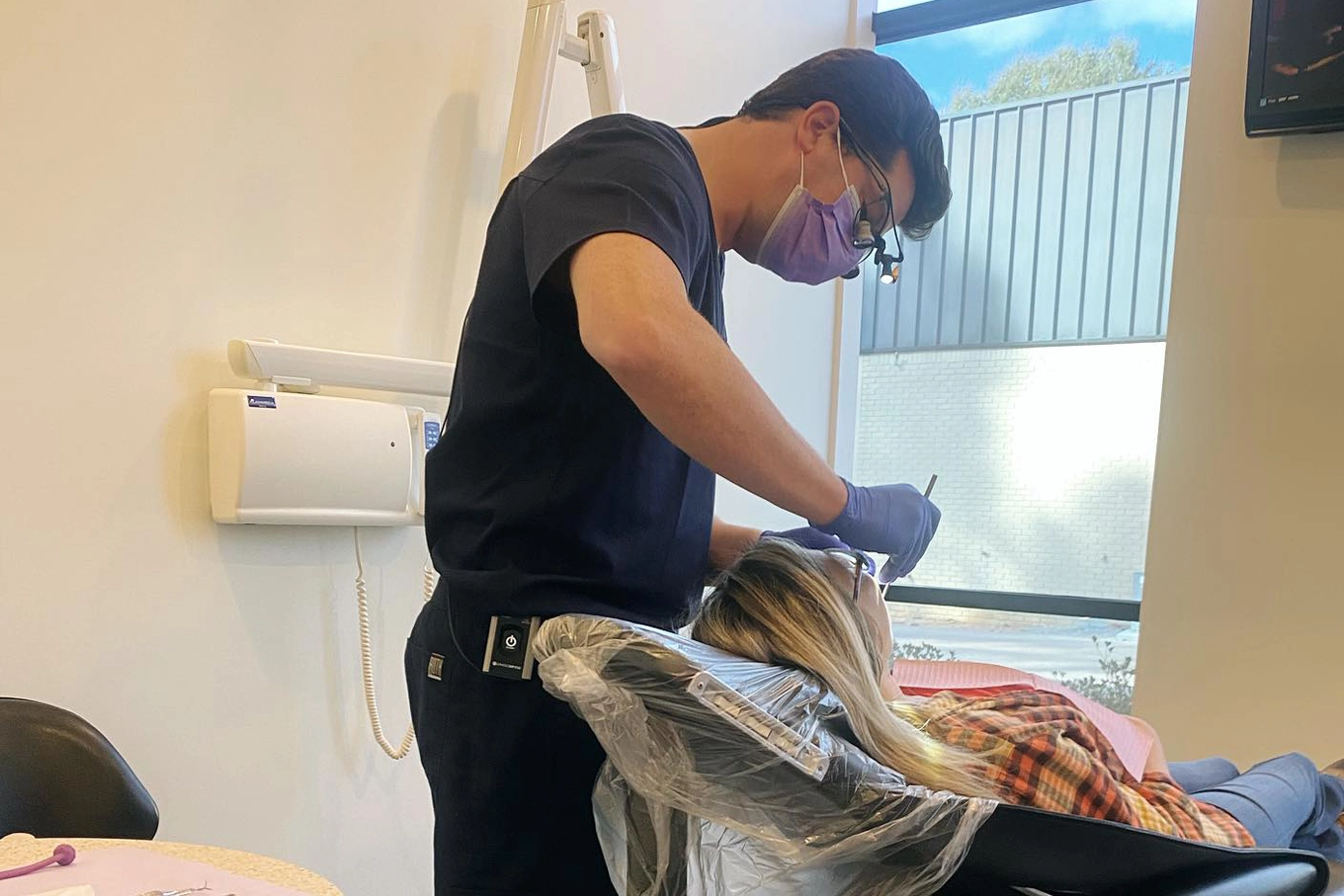
Dental professionals can also identify early signs of oral health concerns and provide personalized advice on improving your oral hygiene routine.
With consistent checkups and proper care, it becomes easier to maintain long-lasting, fresh breath and better oral health.
Enjoy Long-Lasting Fresh Breath With Mercier Dental
Persistent bad breath after brushing can often be improved by strengthening your daily oral hygiene habits and addressing the underlying causes. Cleaning your tongue, flossing regularly, staying hydrated, and maintaining consistent oral care can all make a meaningful difference.
However, if bad breath persists despite these efforts, it may indicate the need for expert guidance. At Mercier Dental, we focus on helping patients maintain healthier smiles through thorough evaluations and supportive care. If you are looking for a trusted dentist in New Albany, MS, who provides personalized attention, our team is here to help you improve your oral health and confidence.
Request an appointment today and take the next step toward fresher breath and a healthier smile.