



Have you ever noticed a sharp or sore feeling on the side of your tongue while eating or talking? Tongue pain can feel uncomfortable and sometimes even make everyday activities like chewing or speaking difficult. Because the tongue is one of the most sensitive parts of the mouth, even minor irritations can cause noticeable discomfort.
In many cases, this kind of soreness is temporary and may heal on its own. However, ongoing irritation or pain can sometimes point to an underlying issue that should not be ignored. Understanding the possible causes can help you decide when simple home care is enough and when it might be time to seek professional dental care services to determine what is going on.
Why is the Side of the Tongue Is So Sensitive?
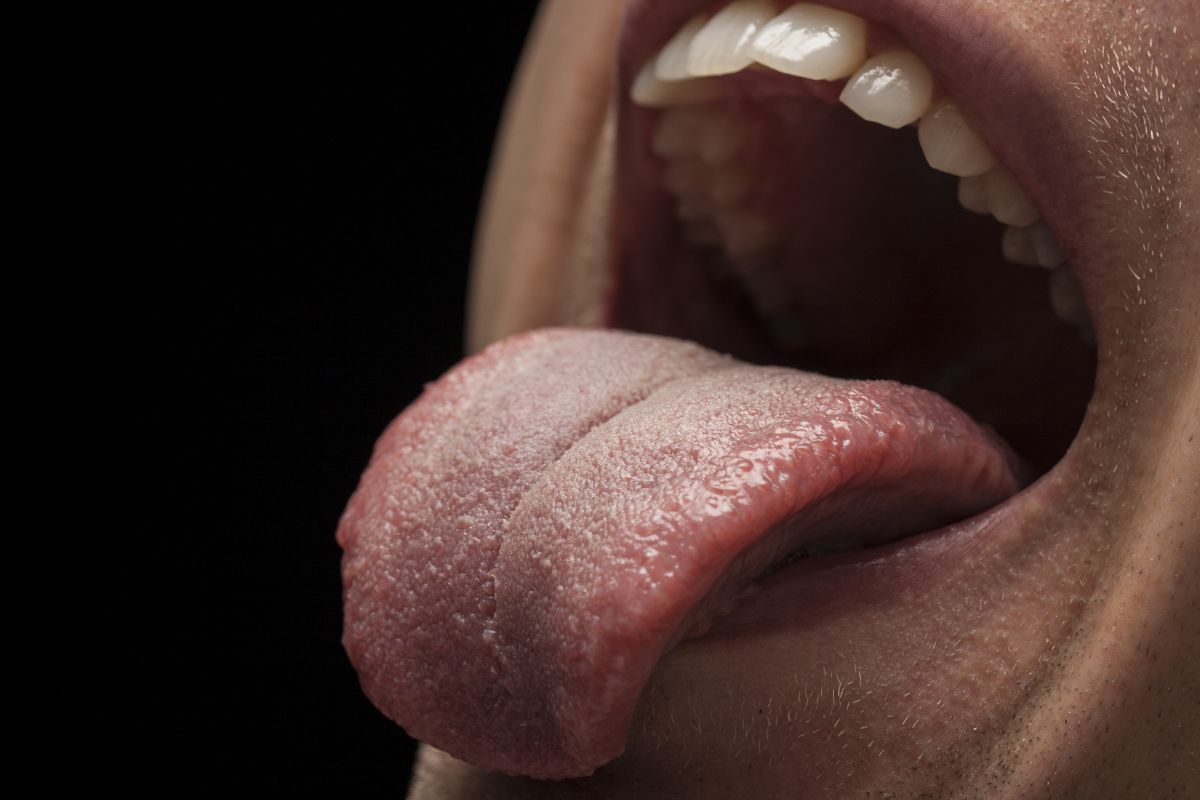
The tongue contains thousands of nerve endings that help you taste, chew, and speak clearly. The sides of the tongue are especially sensitive because they frequently come into contact with your teeth.
This constant contact means that even small changes—such as a rough tooth edge, a minor injury, or certain foods—can easily irritate the tissue. When the area becomes irritated, you may feel soreness, tenderness, or even a burning sensation.
Common Causes of Pain on the Side of the Tongue
Several everyday factors can cause discomfort on the side of your tongue. Most of them are harmless and heal naturally, but it is still helpful to understand what may be triggering the pain.
Accidental Tongue Biting or Minor Injuries
One of the most common reasons for tongue pain is simply biting your tongue. This can happen while eating quickly, talking during meals, or chewing hard foods.
A bite can cause:
- Mild swelling
- Tenderness
- A small sore or cut
The area usually heals within a few days. Avoiding spicy or acidic foods during this time may help reduce irritation while the tissue recovers.
Canker Sores
Canker sores are small ulcers that appear inside the mouth, including on the sides of the tongue. They often look white or yellow with a red border and can be quite painful.
Common triggers include:
- Stress or fatigue
- Minor mouth injuries
- Acidic or spicy foods
- Hormonal changes
Most canker sores heal within one to two weeks without treatment.
Irritation From Sharp Teeth or Dental Work
Sometimes the pain is not caused by the tongue itself but by something rubbing against it. A sharp tooth edge, chipped tooth, or damaged dental restoration can constantly scrape the side of the tongue.
This repeated friction may lead to:
- Persistent soreness
- Small cuts or irritation
- Difficulty eating certain foods
In these situations, a dental evaluation can help identify and smooth the problem area.
Spicy, Acidic, or Very Hot Foods
Certain foods can irritate the delicate tissues of the tongue. Spicy dishes, citrus fruits, and very hot beverages may temporarily inflame the sides of the tongue.
If the tongue has already been irritated or injured, these foods may make the discomfort feel worse. Avoiding them for a few days often allows the area to heal.
Oral Infections
Some infections inside the mouth can cause tongue pain. One example is oral thrush, a fungal infection that may produce white patches and tenderness.
Other infections can also cause mouth sores or inflammation of the tongue. If symptoms include persistent soreness, unusual patches, or difficulty swallowing, professional evaluation may be necessary.
Nutritional Deficiencies
Your body relies on certain vitamins and minerals to maintain healthy tissues, including those in your mouth. Nutrient deficiencies, such as vitamin B12, iron, or folate, may sometimes cause the tongue to feel sore or inflamed.
In these cases, improving your diet or addressing the deficiency can help reduce symptoms over time.
Teeth Grinding or Clenching
Grinding or clenching your teeth—especially during sleep—can put pressure on the tongue and surrounding tissues. Some people may wake up with soreness along the tongue edges because the tongue presses against the teeth during grinding.
If grinding occurs regularly, a dentist may recommend solutions such as protective mouthguards.
When Should You See a Dentist?
While minor tongue soreness often improves within a few days, some symptoms should not be ignored.
You may want to seek dental advice if you notice:
- Pain that lasts longer than two weeks
- Difficulty eating or speaking
- A lump or swelling on the tongue
- Persistent red or white patches
- Frequent sores that keep returning
These symptoms may require a professional examination to determine the cause.
Simple Ways to Ease Tongue Pain at Home
If your tongue soreness is mild, there are several steps you can take to help the area heal.
Try these simple tips:
- Rinse your mouth with warm salt water
- Avoid spicy or acidic foods for a few days
- Drink plenty of water
- Brush gently using a soft-bristle toothbrush
- Maintain good daily oral hygiene
These measures can reduce irritation and support the natural healing process.
When Professional Dental Care May Help?
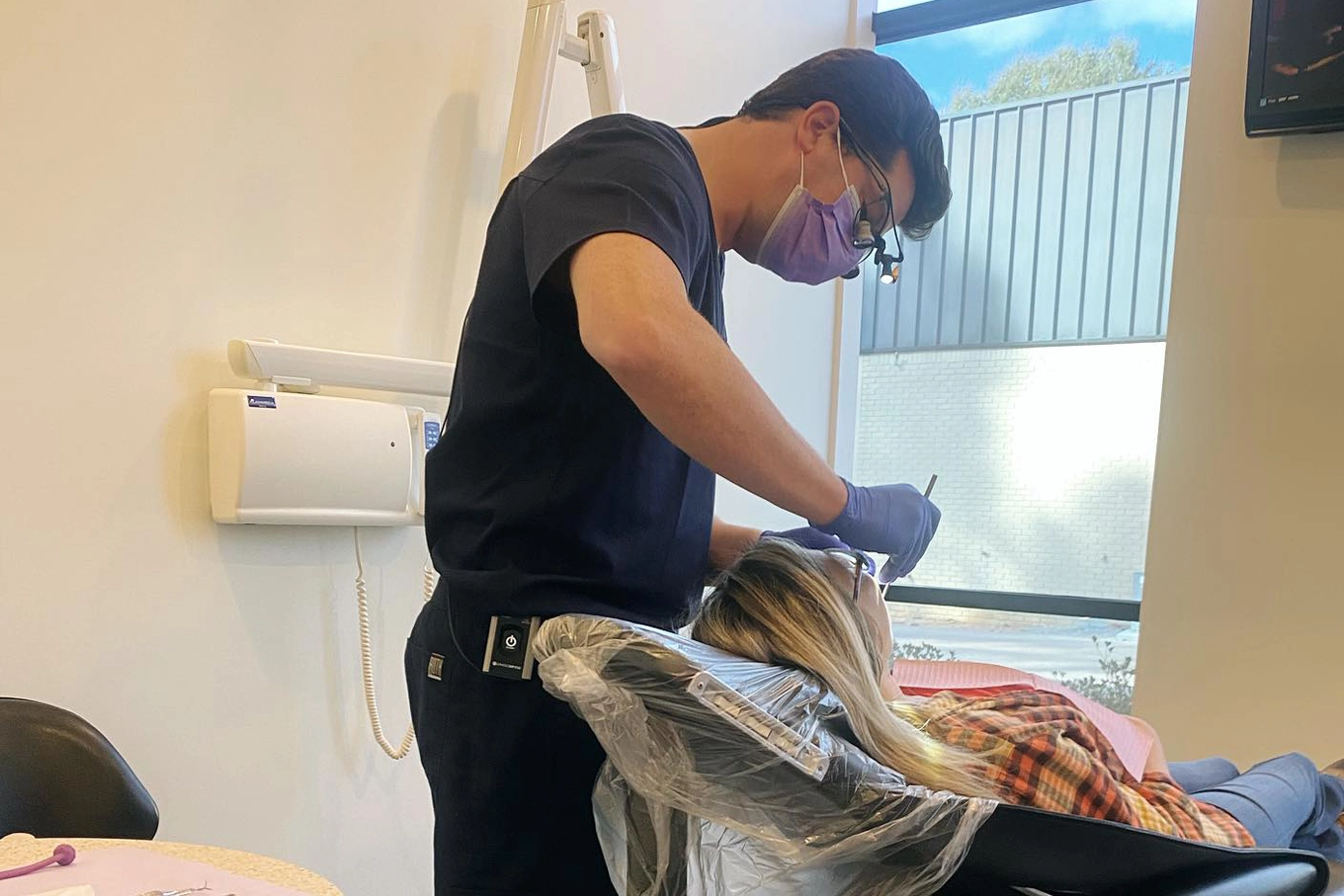
If tongue pain continues or keeps coming back, it may be helpful to have a dental professional examine the area. A dentist can check your teeth, gums, and tongue to determine whether something in your mouth is causing the irritation.
In some cases, professional care may involve smoothing a rough tooth edge, identifying infections, or recommending treatment for recurring sores.
Contact us if you have concerns about persistent tongue discomfort. A simple examination can often provide answers and relief.
Preventing Future Tongue Irritation
Although some tongue irritation is unavoidable, certain habits can help reduce the chances of repeated discomfort.
Helpful preventive steps include:
- Visiting your dentist regularly for routine checkups
- Addressing chipped or rough teeth promptly
- Avoiding extremely hot foods or drinks
- Eating slowly and carefully to prevent accidental bites
- Maintaining a balanced diet that supports oral health
These small steps can make a noticeable difference in keeping your mouth comfortable and healthy.
Find Relief From Tongue Pain – Visit Mercier Dental
Occasional tongue soreness can happen to anyone, and in many cases, it improves with simple care at home. However, persistent pain should not be ignored, especially if it interferes with eating, speaking, or daily comfort.
If you are experiencing ongoing tongue irritation and are looking for a dentist in New Albany who can evaluate oral discomfort and provide helpful guidance, a professional examination can help identify the cause and ensure your mouth stays healthy.
At Mercier Dental, our team is committed to helping patients understand their oral health and address common concerns like tongue pain. If your symptoms continue or you would like a professional evaluation, consider scheduling a visit to our dental office. We are here to help you keep your smile comfortable and healthy.