


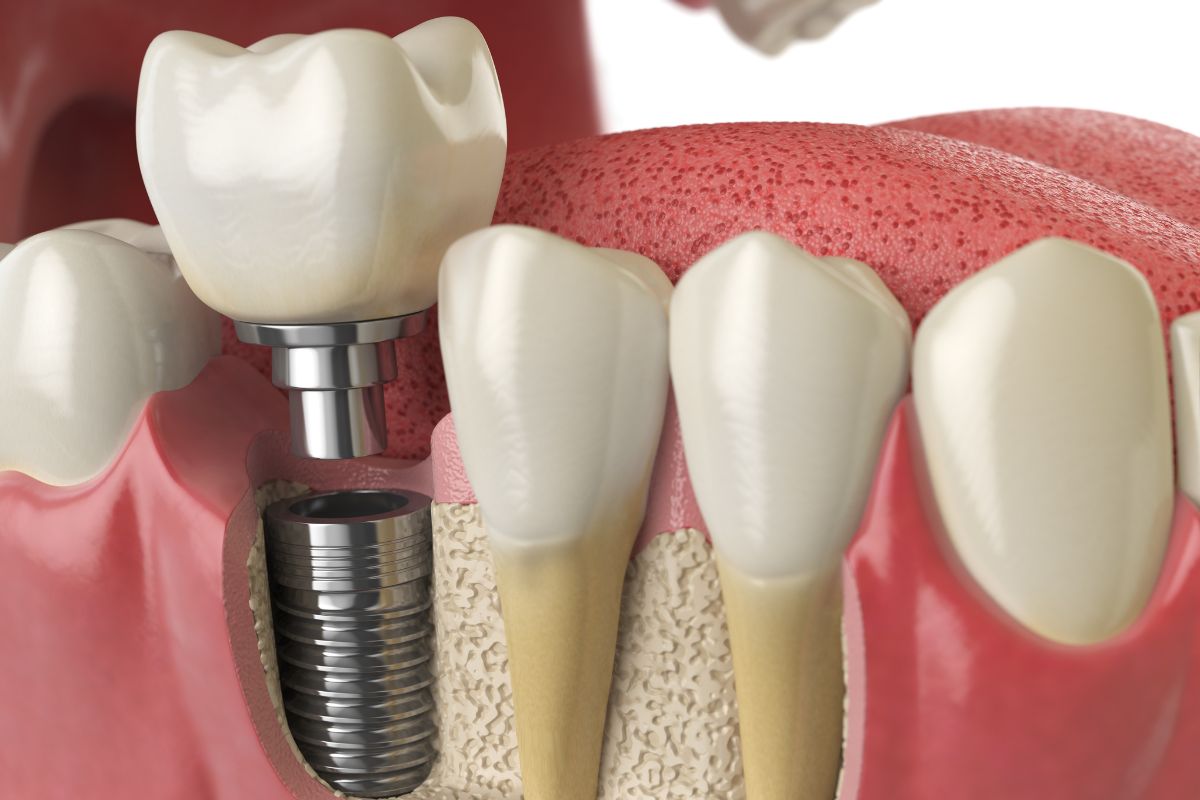
Losing a tooth can already feel overwhelming, but hearing that you may not have enough bone for an implant can make the situation even more stressful. Many people assume that bone loss automatically means they are no longer a candidate for dental implants. Thankfully, that is not always the case.
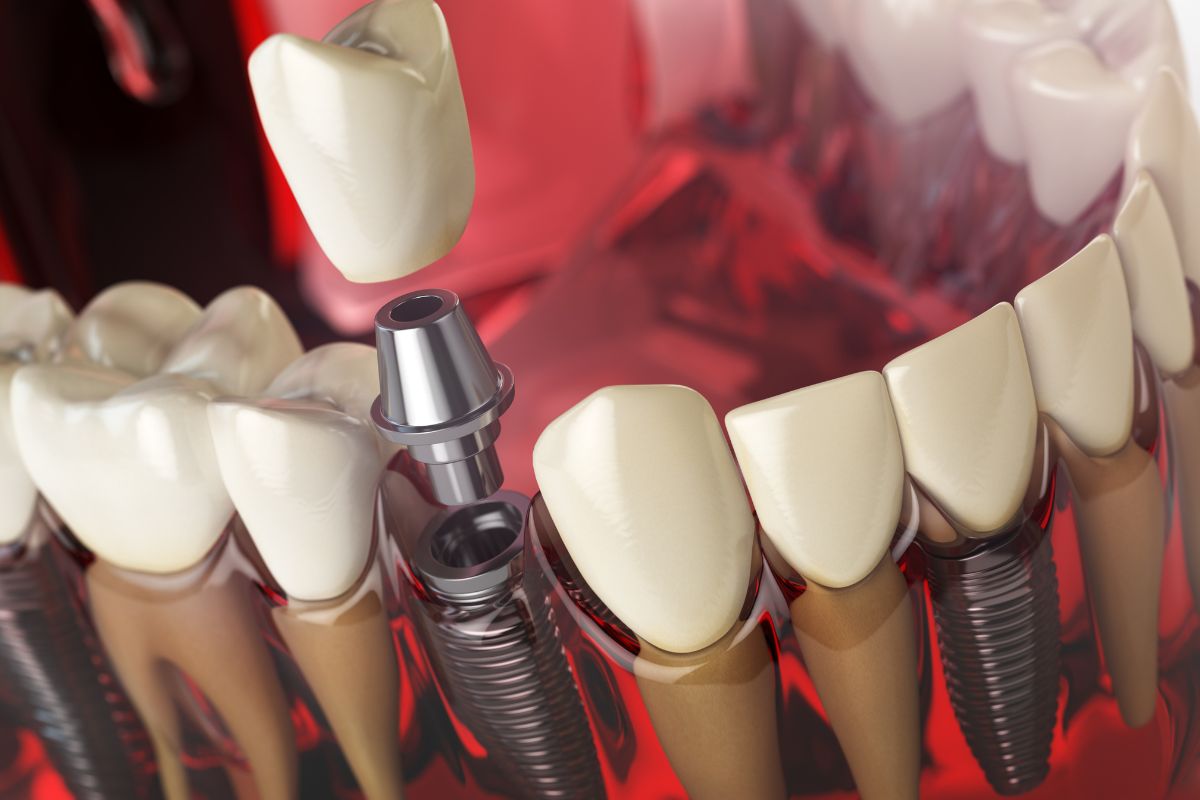
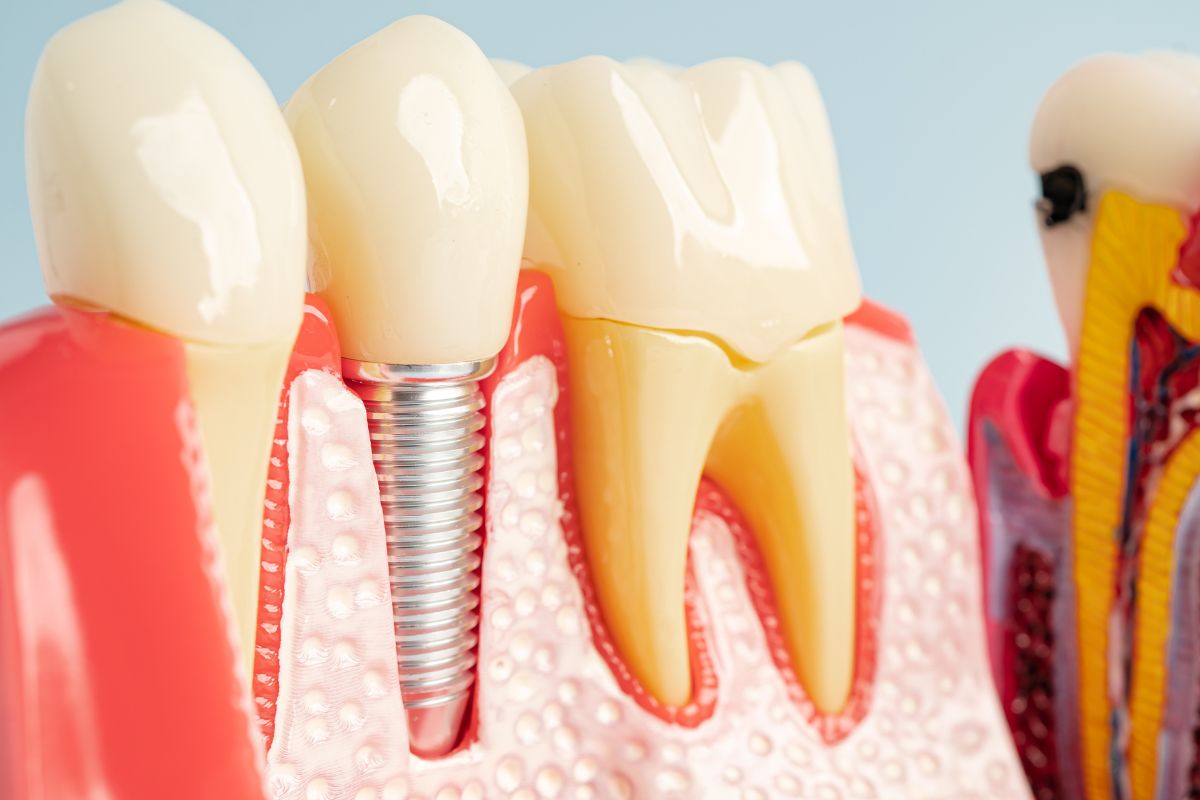
Modern dentistry offers several ways to rebuild or support the jawbone, enabling many patients to proceed with treatment. In fact, the dental implants procedure has helped many people restore missing teeth even after experiencing some degree of bone loss.
If you have been told you may not have enough bone for implants, understanding your options can help you feel more confident about the next steps.
Why Does Bone Loss Happen After Tooth Loss?
Your jawbone needs regular stimulation to stay healthy and strong. When a tooth is lost, the bone in that area no longer receives the pressure created by chewing and biting. Over time, the bone may begin to shrink.
Several things can contribute to bone loss, including:
- Missing teeth for a long period
- Gum disease
- Injury or trauma
- Infections
- Wearing dentures for many years
- Smoking or certain health conditions
Bone loss can happen gradually, which is why many people do not notice it right away.
Does Bone Loss Mean You Cannot Get Dental Implants?
Not necessarily. Even if some bone has been lost, there may still be ways to prepare your mouth for implants. Dentists often evaluate the amount and quality of the jawbone before deciding on the best treatment plan.
In many cases, people with mild to moderate bone loss can still receive dental implants with additional support procedures.
How Bone Grafting Can Help?
One of the most common solutions for bone loss is bone grafting. This procedure helps rebuild the jawbone by adding material to areas where bone has weakened or shrunk.
Over time, the graft encourages the body to produce new bone tissue. Once healing is complete, the area may become strong enough to support an implant.
Bone grafting sounds intimidating to some patients, but it is a common procedure that can make a major difference in long-term oral health.
Other Options for Patients with Bone Loss
Depending on the location and severity of the bone loss, there may be additional options available.
Sinus Lift
When bone loss happens in the upper back jaw, a sinus lift may help create enough space and support for implants.
Mini Dental Implants
Some patients may qualify for smaller implants that require less bone structure than traditional implants.
Zygomatic Implants
In severe cases, specialized implants may be placed in stronger facial bone areas instead of the jawbone.
Every situation is different, which is why a detailed evaluation is important before deciding on treatment.
Why Early Treatment Matters
The longer a missing tooth goes untreated, the more bone loss may occur. Replacing missing teeth sooner can help preserve the jawbone and prevent additional complications later on.
This is one reason many people choose to explore options for replacing missing teeth before the problem becomes more advanced.
Signs You May Have Jawbone Loss
Bone loss is not always easy to notice on your own, but some signs may include:
- Loose-fitting dentures
- Changes in facial shape
- Shifting teeth
- Difficulty chewing
- Sunken appearance around the mouth
If you notice any of these changes, it may be time to schedule a dental evaluation.
Can Dental Implants Still Feel Natural After Bone Loss?
Yes, many patients still achieve natural-looking and comfortable results after treatment. With the right planning and preparation, implants can provide stability and function similar to natural teeth.
For people considering dental implants after experiencing bone loss, treatment plans are often customized to support long-term comfort and oral health.
What to Expect During the Process?
The timeline depends on your specific needs. Some patients may need bone grafting first, followed by healing time before implant placement. Others may already have enough bone for implants without additional procedures.
A dentist will typically use imaging and exams to determine the safest and most effective approach for your smile.
Rebuild Your Smile with Confidence
Bone loss does not always mean the end of your options for tooth replacement. With today’s advanced techniques and personalized care, many people can still proceed with treatment and successfully restore their smiles. At Mercier Dental, we are committed to helping patients understand their choices and feel comfortable throughout the process. If you are exploring solutions for missing teeth or wondering whether you qualify for dental implants in New Albany, MS, visit our dental office to learn more about your options and take the next step toward a healthier smile.