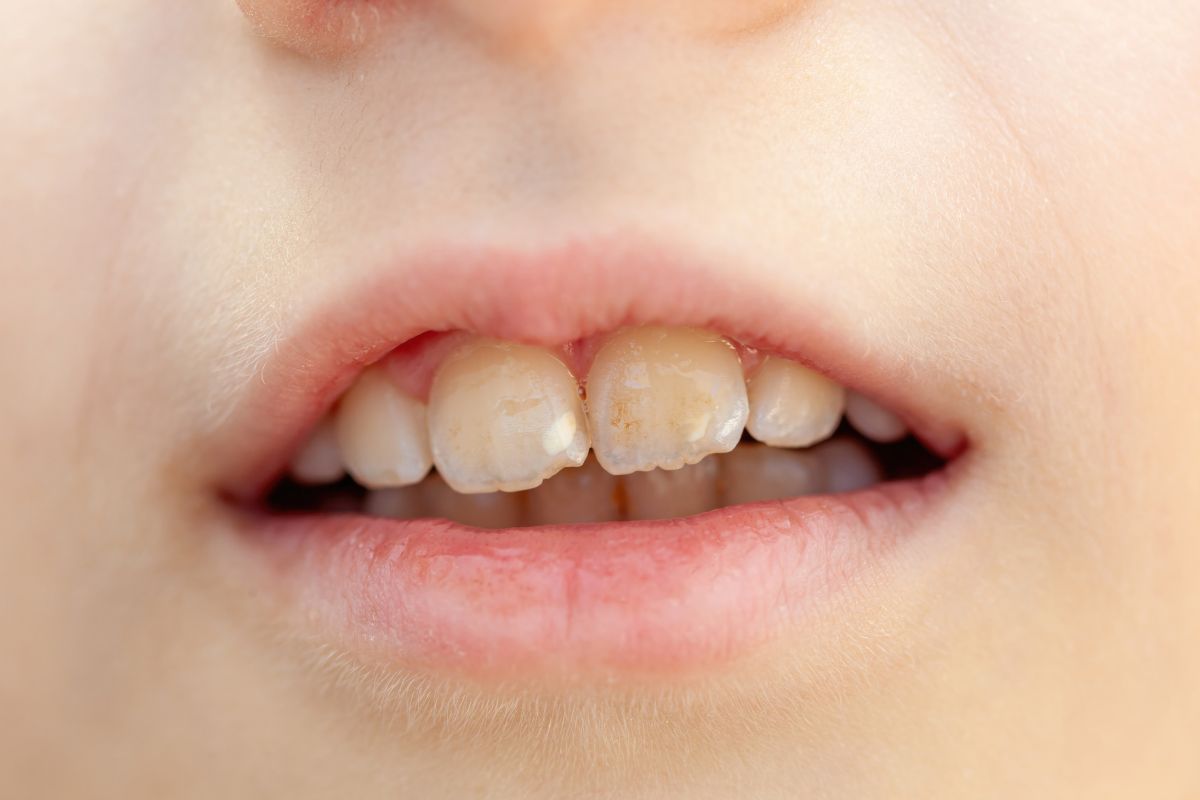





Tooth pain can make everyday activities feel uncomfortable, from eating meals to simply talking. But one of the most frustrating parts is figuring out what is actually causing the pain. Sometimes the discomfort may come from an infection, while other times it may be linked to irritated nerves inside the tooth.
A trusted dental care provider can help determine the exact cause, but understanding the warning signs at home may help you know when it’s time to seek treatment. Since tooth infection and nerve pain can feel similar in some ways, paying attention to specific symptoms can make a big difference.
Let’s look at some simple ways to tell them apart.
Understanding Tooth Infection
A tooth infection usually happens when bacteria enter the inner part of the tooth through decay, cracks, or injury. Once bacteria spread inside the tooth, the area may become inflamed and painful.
Some common signs of a tooth infection include:
- Throbbing or pulsing pain
- Swollen gums or cheeks
- A bad taste in the mouth
- Sensitivity when chewing
- Fever or feeling tired
In many cases, the pain does not go away on its own and may gradually become more severe.
Understanding Nerve Pain
Nerve pain often happens when the nerve inside the tooth becomes irritated or exposed. This irritation may come from grinding teeth, worn enamel, cavities, or even previous dental work.
Unlike infection pain, nerve pain is often more sudden and sharp. It may come and go instead of staying constant.
Signs commonly linked to nerve pain include:
- Sharp pain when eating something hot or cold
- Sudden discomfort that disappears quickly
- Tingling or shooting sensations
- Sensitivity to sweet foods
Although nerve pain may seem less serious at first, it can still worsen over time if left untreated.
Pay Attention to the Type of Pain
One of the easiest ways to notice the difference is by focusing on how the pain feels.
Tooth infections often create deep, throbbing pain that lingers for hours. Nerve pain, on the other hand, is usually sharper and more sudden.
If your pain feels like pressure or pulsing that keeps returning, infection may be the cause.
Check for Swelling or Gum Changes
Swelling is more commonly connected to infection. You may notice puffiness around the gums, tenderness near the tooth, or even a small bump on the gum tissue.
Nerve pain usually does not cause visible swelling.
If swelling spreads to the cheek or jaw area, it’s important to seek care quickly.
Notice Reactions to Hot and Cold Foods
Temperature sensitivity can reveal a lot about what is happening inside the tooth.
Nerve pain often becomes worse when drinking cold water or eating hot foods. The discomfort may feel intense for a few seconds before fading away.
Infected teeth may also react to temperature, but the pain often lasts much longer afterward.
Watch for Pain While Chewing
Pain while biting down can happen with both conditions, but infections often create pressure inside the tooth that makes chewing feel difficult.
You may notice soreness even when lightly touching the tooth.
Look for Other Symptoms in the Body
Infections sometimes affect more than just the tooth itself. Fever, swollen lymph nodes, or feeling unusually tired can all point to infection.
Nerve pain usually stays limited to the tooth area without causing body-wide symptoms.
Why Does Getting a Proper Diagnosis Matter?
Tooth pain is not always easy to identify on your own. Some symptoms overlap, and waiting too long can make the problem more serious.
A proper dental evaluation can help determine whether the issue involves infection, nerve irritation, or another dental condition entirely.
Contact us if your tooth pain continues, worsens, or starts affecting your daily life. Early care can help prevent bigger problems later on.
Simple Ways to Ease Discomfort Before Your Appointment
While waiting for your dental visit, a few simple steps may help reduce discomfort:
- Rinse gently with warm salt water
- Avoid very cold or hot foods
- Brush carefully around the painful area
- Avoid chewing on the affected side
- Drink plenty of water
These steps may provide temporary relief, but they should not replace professional care.
Protecting Your Oral Health Starts with the Right Care
Tooth pain can feel stressful, especially when you are unsure whether it is caused by infection or nerve irritation. Understanding the warning signs early can help you take the right steps before the problem becomes more serious. At Mercier Dental, we are committed to helping patients understand their symptoms and receive the care they need for long-term oral health. If you are searching for a professional dentist who can carefully evaluate tooth pain and provide personalized treatment, visit our dental office in New Albany, MS, and take the next step toward a healthier, more comfortable smile.