


Tooth pain can be frustrating, especially when it only happens while chewing or biting down. You may feel a sharp twinge, a dull ache, or pressure that makes eating uncomfortable. While occasional sensitivity may not always indicate a serious issue, persistent pain when biting down should never be ignored. Understanding the possible causes can help you determine when it is time to seek professional attention from a dentist and protect your long-term oral health.
Understanding Tooth Pain When Biting Down
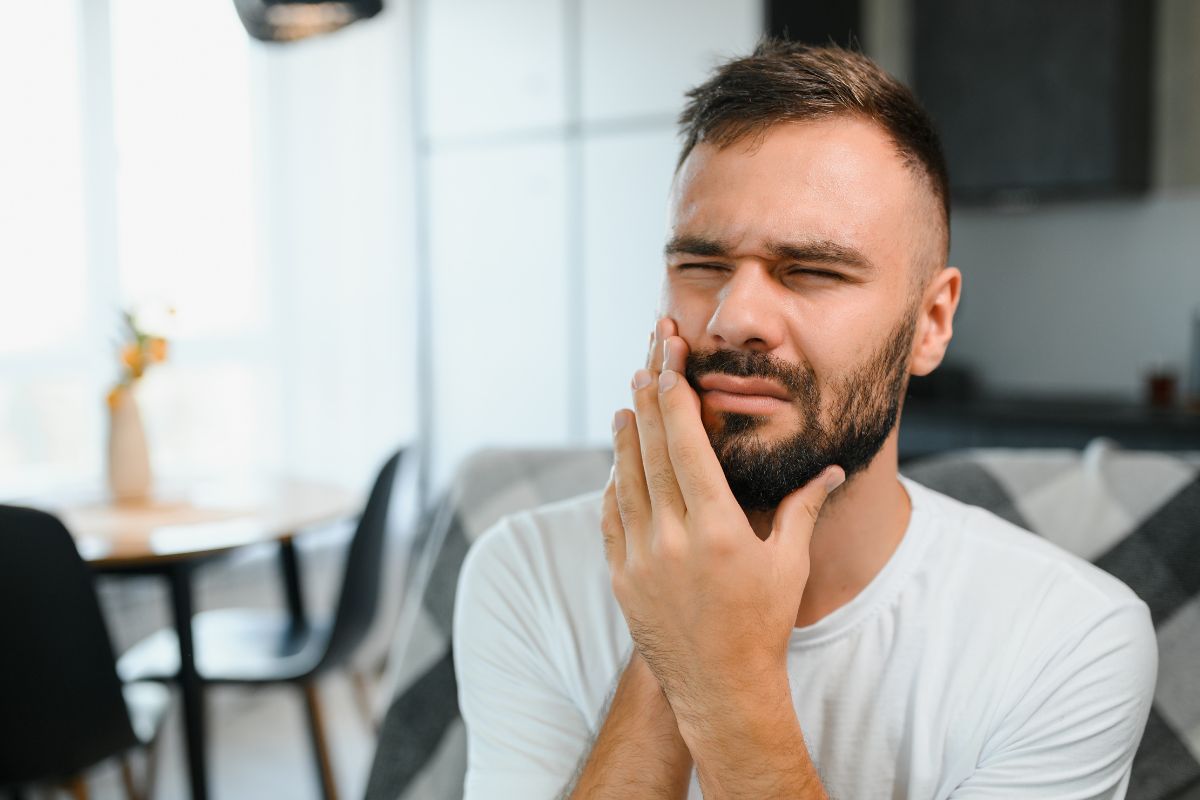
When you bite down, your teeth, gums, ligaments, and jaw work together to handle pressure. If any part of this system becomes damaged, inflamed, or infected, discomfort can occur. The pain may affect one tooth or several teeth and can range from mild sensitivity to severe discomfort.
Identifying the source of the pain is important because different dental conditions can produce similar symptoms.
Common Reasons Your Tooth Hurts When You Bite Down
A Cracked Tooth
One of the most common causes of pain while biting is a cracked tooth. Small cracks may not always be visible, but they can expose the inner layers of the tooth and create discomfort when pressure is applied.
Symptoms of a cracked tooth may include:
- Sharp pain when chewing
- Sensitivity to hot or cold foods
- Intermittent discomfort that comes and goes
- Pain that worsens with pressure
Because cracks can grow over time, early evaluation is important to prevent further damage.
Tooth Decay
Cavities can gradually weaken the structure of a tooth. As decay progresses deeper into the tooth, it can reach the sensitive inner tissues, causing pain when chewing.
In some cases, tooth decay may not cause noticeable symptoms until it becomes more advanced. This is one reason routine dental examinations play an important role in maintaining oral health.
Dental Abscess or Infection
A tooth infection can create significant pressure inside the tooth and surrounding tissues. This pressure often becomes more noticeable when biting down.
Common signs of a dental infection include:
- Persistent toothache
- Swelling around the gums
- Sensitivity to temperature changes
- Bad taste in the mouth
- Facial swelling
An infection requires prompt professional attention to prevent complications.
Gum-Related Causes of Bite Pain
Gum Disease
Inflamed or infected gums can make teeth feel tender when pressure is applied. As gum disease progresses, it can affect the tissues and bone supporting the teeth, leading to discomfort while chewing.
Warning signs of gum disease may include:
- Red or swollen gums
- Bleeding during brushing or flossing
- Persistent bad breath
- Receding gums
Practicing good oral hygiene and seeking regular dental care in New Albany can help reduce the risk of gum-related complications.
Food Trapped Between Teeth
Sometimes, the cause of pain is surprisingly simple. Food particles lodged between teeth can place pressure on the gums and surrounding tissues, causing discomfort when biting.
Proper brushing and flossing can often resolve this issue, but recurring food impaction may indicate alignment or spacing concerns that should be evaluated by a dentist.
Problems Beyond the Tooth Itself
Teeth Grinding and Clenching
Many people unknowingly grind or clench their teeth, especially during sleep. This habit can place excessive stress on teeth, resulting in soreness and pain when biting down.
Signs of teeth grinding may include:
- Jaw discomfort
- Worn tooth surfaces
- Morning headaches
- Tooth sensitivity
Over time, grinding can increase the risk of cracks and other dental problems.
Bite Misalignment
When teeth do not come together properly, certain teeth may absorb more pressure than they are designed to handle. This uneven force can lead to discomfort, sensitivity, and even damage over time.
A dental evaluation can help identify whether bite alignment is contributing to your symptoms.
When Should You Be Concerned?
While mild sensitivity may occasionally occur, persistent pain when biting down should be assessed by a dental professional. You should schedule an evaluation if you experience:
- Pain lasting more than a few days
- Swelling around the gums or face
- Increased sensitivity to temperature
- Difficulty chewing
- Pain that worsens over time
Ignoring these symptoms can allow underlying issues to progress, potentially leading to more complex oral health concerns.
How to Protect Your Oral Health
Maintaining healthy teeth and gums requires a proactive approach. Some helpful habits include:
Practice Consistent Oral Hygiene
Brushing twice daily and flossing regularly helps remove plaque and bacteria that contribute to decay and gum disease.
Avoid Excessive Pressure on Teeth
Chewing ice, opening packages with your teeth, or grinding your teeth can increase the risk of cracks and fractures.
Attend Regular Dental Checkups
Routine visits allow potential issues to be identified before they become painful or require extensive treatment. Regular dental care in New Albany supports long-term oral health and helps address concerns early.
Take the Next Step Toward a Comfortable, Healthy Smile
Tooth pain when biting down is often a sign that something needs attention, whether it is a cracked tooth, decay, gum inflammation, infection, or bite-related stress. Addressing the issue early can help protect your oral health and prevent more significant complications in the future. At Mercier Dental, our team is committed to providing patient-focused care, advanced clinical expertise, and a welcoming environment where your comfort comes first. If you are experiencing discomfort when chewing or biting, don’t wait for the problem to worsen. Schedule an appointment with our dental clinic today and let us help you achieve a healthier, more comfortable smile.