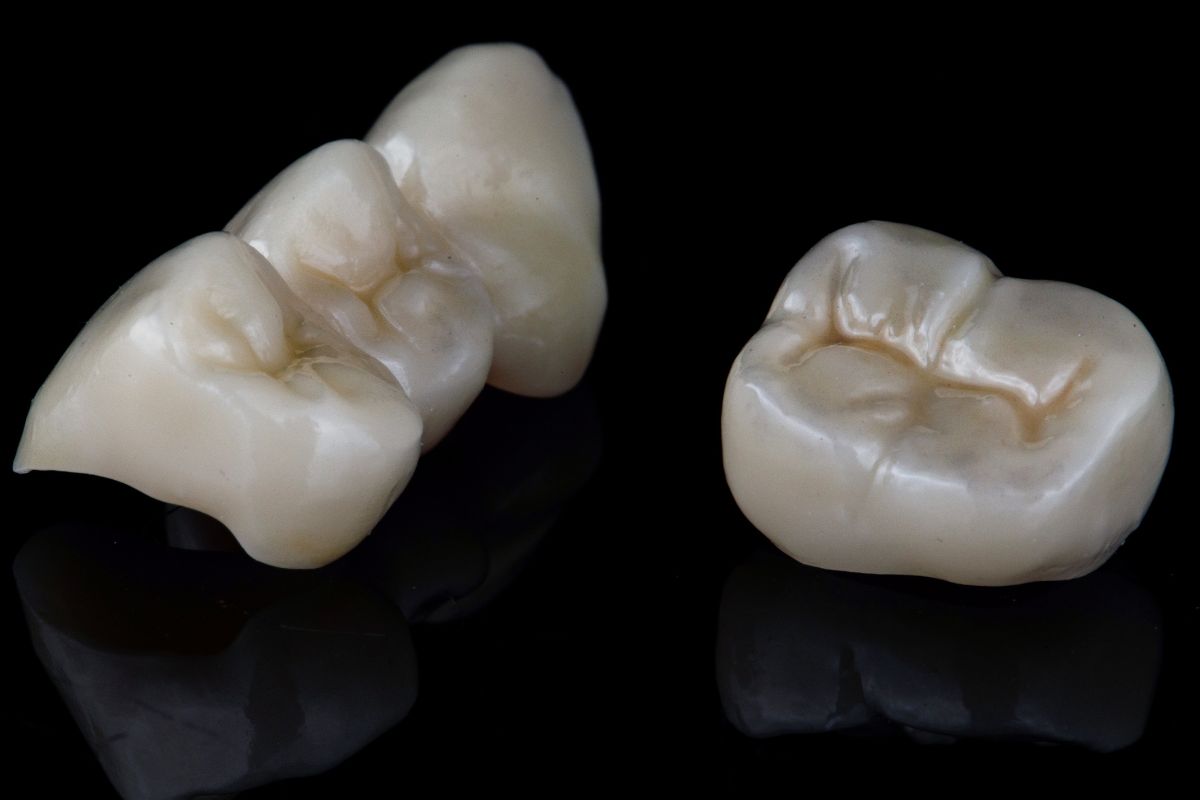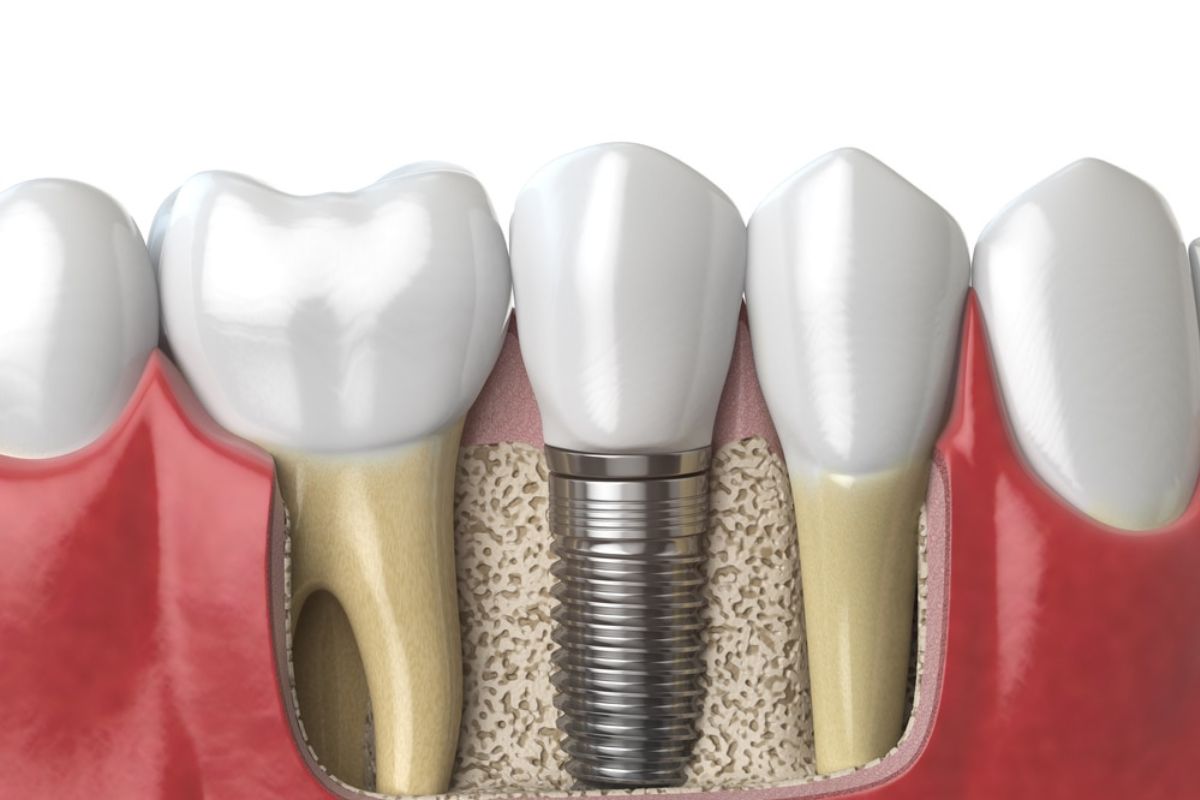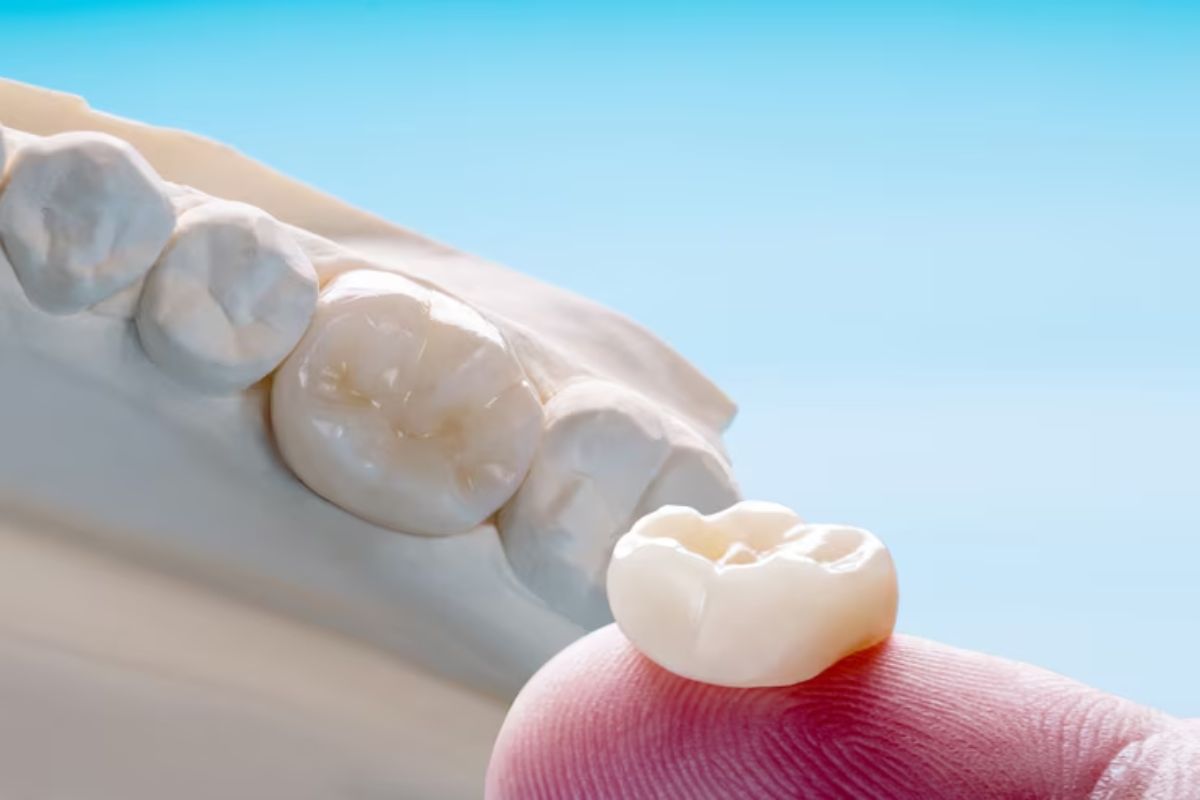





It’s easy to assume that once a filling or crown is placed, it’s a permanent fix that will last a lifetime without another thought. In reality, both are durable but not indestructible, and, like most things in the mouth, they endure years of biting, chewing, temperature changes, and general wear. Knowing the signs that a restoration is reaching the end of its useful life is an important part of staying on top of your dental care before a small issue turns into a bigger one.
A dental crown, for example, is built to last many years, but “many years” isn’t the same as “forever.” The materials used, how well the area is cared for, and even everyday habits like teeth grinding all play a role in how long a filling or crown holds up.
Why Fillings and Crowns Don’t Last Forever?
Every restoration is exposed to the same daily forces as natural teeth: biting pressure, temperature changes from hot and cold foods, and constant contact with saliva and bacteria. Over time, these factors gradually wear down the material, whether it’s composite resin, amalgam, porcelain, or metal.
Fillings tend to have a shorter lifespan than crowns since they cover less of the tooth and are more directly exposed to chewing forces. Depending on the material and location in the mouth, a filling might last anywhere from five to fifteen years, while a well-placed crown can often last ten to twenty years or more with proper care.
Signs a Filling or Crown May Need Replacing
A few warning signs tend to show up before a restoration fails completely, and catching them early usually means a simpler fix.
Visible cracks or chips: Even small chips in a filling or crown can let bacteria sneak underneath, which can lead to decay forming beneath the restoration without being immediately obvious.
Sensitivity that wasn’t there before: New sensitivity to hot, cold, or sweet foods around a tooth with an existing filling or crown often signals that the seal has weakened or that decay has developed underneath.
Discoloration around the edges: A dark line forming at the border of a filling can indicate that the seal has broken down, allowing bacteria and staining to get underneath the material.
A loose or shifting feeling: If a crown feels like it’s moving slightly or doesn’t sit quite right when biting down, that’s a sign the fit has changed, and it needs attention before it comes off entirely.
Visible wear or a worn-down appearance: Metal or composite fillings can wear thin over the years, sometimes becoming visibly flattened compared to the surrounding tooth structure.
Pain when chewing: Discomfort specifically when biting down can point to a crack in the restoration or in the tooth underneath it.
What Happens If a Worn Restoration Is Left Alone?
Ignoring these signs doesn’t usually make the problem go away; it tends to get more involved instead. Decay that develops underneath a failing filling or crown can spread further into the tooth, sometimes reaching the nerve and requiring root canal treatment where a simple replacement would have been enough earlier on. A cracked restoration can also allow bacteria to reach parts of the tooth that are much harder to treat once decay sets in.
This is part of why routine checkups matter even when nothing feels wrong. A dentist can often spot early signs of wear on an X-ray well before it becomes noticeable day to day.
How Long Should You Expect a Filling or Crown to Last?
There’s no single answer that applies to everyone, since it depends on the material used, the tooth’s location, and individual habits. Back teeth endure more chewing pressure and tend to wear down restorations faster than front teeth. Grinding or clenching the teeth at night, a habit many people aren’t even aware they have, can also significantly shorten the lifespan of both fillings and crowns.
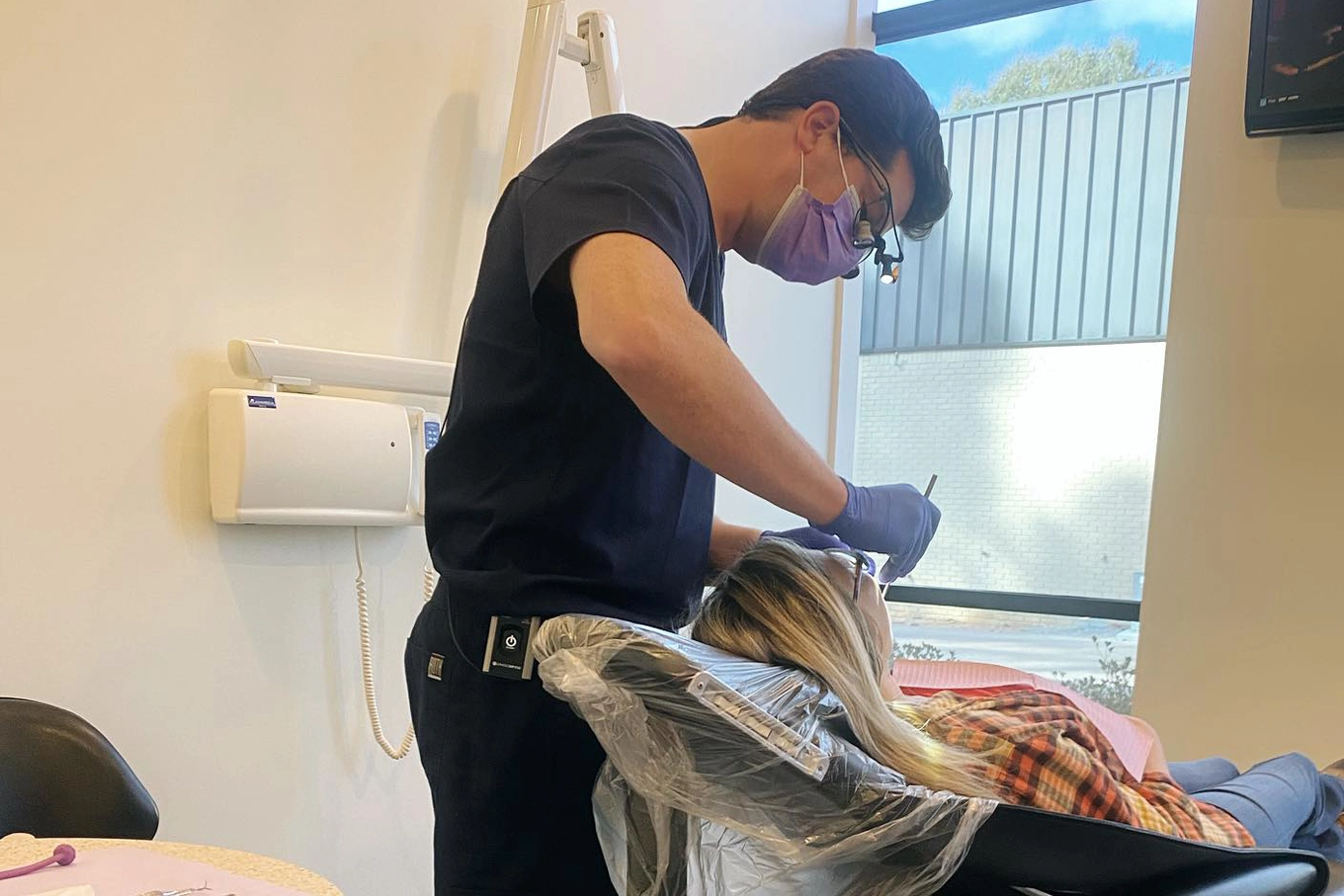
The team at Mercier Dental in New Albany, MS often reminds patients that regular checkups are the best way to catch wear early, since most restorations don’t fail suddenly. They tend to show small signs first that are much easier to address than waiting until something breaks or causes pain.
What Replacement Actually Involves?
Replacing an old filling or crown is generally a straightforward procedure. For a filling, the old material is removed, any decay underneath is cleaned out, and a new filling is placed. For a crown, the existing one is removed, the tooth is reassessed, and a new crown is custom-fitted, sometimes requiring a temporary crown in between visits while the permanent one is prepared.
In most cases, catching wear early means the process stays simple and doesn’t require anything more extensive than restoring what was already there.
If it’s been several years since your last check on an old filling or crown, or you’ve noticed any of the signs above, contact us to schedule an evaluation before it turns into something more involved.
A Few Habits That Help Restorations Last Longer
While no filling or crown lasts forever, a few habits can help extend their lifespan considerably. Avoiding chewing on very hard foods like ice or hard candy reduces unnecessary stress on restorations. Wearing a nightguard if you grind your teeth protects both natural teeth and restorations from excessive wear. Keeping up with regular cleanings and checkups allows small issues to be caught and addressed before they progress.
Keep Your Smile Strong for the Long Run
Fillings and crowns are built to last, but they’re not meant to be a one-time fix you never think about again. Paying attention to changes, such as sensitivity, discomfort, or visible wear, and having them checked regularly is the best way to stay ahead of potential problems. If you’re due for a checkup or have noticed something unusual with an old restoration, visit our dental office for a thorough evaluation. Our team is here to help keep your smile healthy and your dental work in great shape for years to come.