



A toothache has a way of grabbing your attention at the worst possible time. Whether it starts as a dull throb or a sharp jolt of pain, your first instinct might be to look for quick relief. For many people, that means reaching into the freezer and grabbing some ice.
But is using ice for a toothache actually helpful, or could it make things worse? Let’s break it down in a simple, practical way, so you know when ice can help and when it’s time to try something else.
Why Toothaches Happen in the First Place?
Tooth pain usually doesn’t show up without a reason. It often means something is irritating the nerves inside or around your tooth. This can happen due to cavities, gum irritation, small cracks in a tooth, or even food stuck below the gumline.
Inflammation is a big factor here. When tissues swell, pressure builds up around sensitive nerves, which leads to pain. That’s why toothaches can feel intense and persistent, especially when left untreated.
Does Ice Really Help a Toothache?
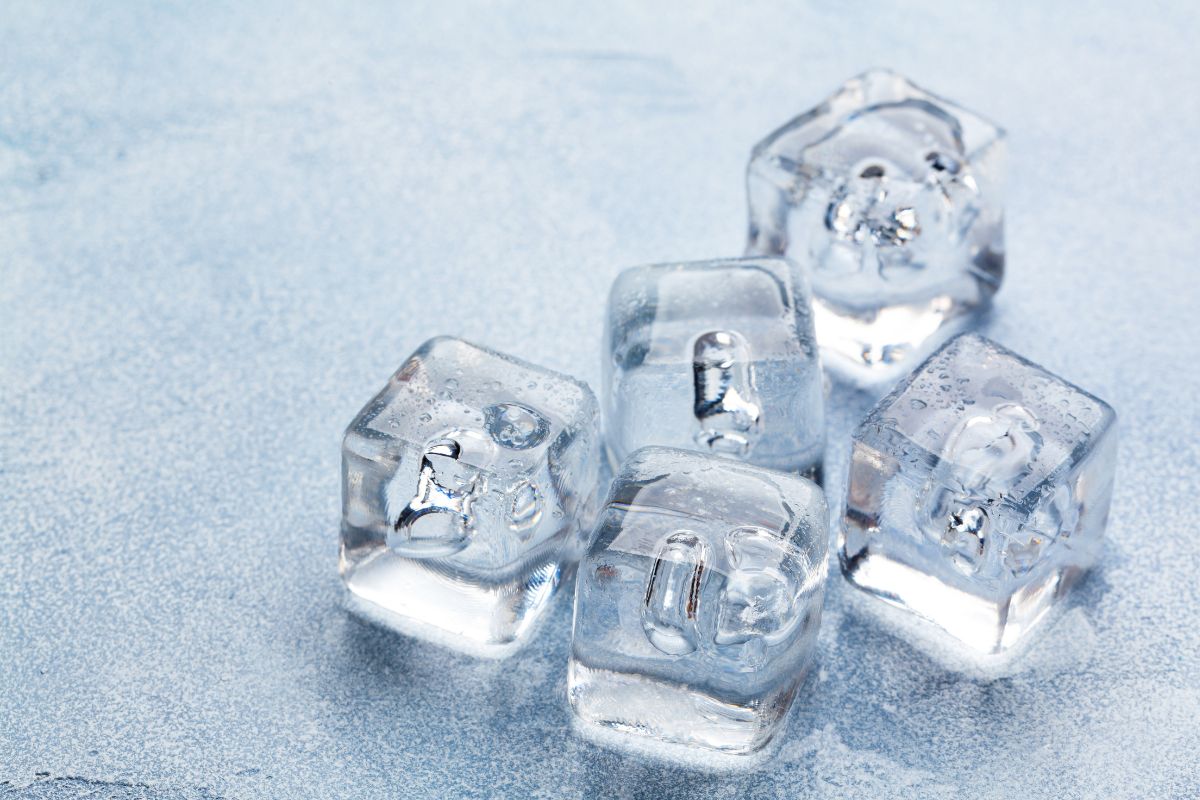
Using ice for a toothache can help in certain situations, but it’s important to understand what it actually does. Ice helps reduce swelling and slows down nerve signals. This can temporarily dull pain and make discomfort more manageable.
However, ice does not fix the cause of the toothache. It simply masks the pain for a short period. Think of it as a temporary pause button rather than a solution.
For tooth pain linked to swelling or inflammation, ice may offer short-term relief. For pain caused by sensitivity or nerve exposure, cold can sometimes make symptoms worse.
How to Use Ice Safely for Tooth Pain?
If you decide to try ice, how you use it matters.
Wrap ice or a cold pack in a clean cloth. Never place ice directly on your skin or tooth. Hold it against the outside of your cheek near the painful area for about 10 to 15 minutes at a time. You can repeat this a few times a day, allowing breaks in between.
Avoid chewing ice or holding it directly in your mouth. That can irritate sensitive teeth and increase discomfort.
When can ice make Tooth Pain Worse?
Ice is not always the right choice. If your toothache is caused by cold sensitivity, exposed roots, or a cracked tooth, cold can trigger sharper pain instead of relief.
If you notice the pain intensifies immediately after applying ice, stop using it. That’s a sign your toothache may need professional care rather than home remedies.
Ice vs. Heat: Which One Should You Use?
Many people wonder whether heat might work better than ice. In most toothache cases, heat is not recommended. Heat can increase blood flow and swelling, which may make pain worse.
Ice is generally the safer option when dealing with inflammation. Still, neither ice nor heat should be considered a long-term fix for tooth pain.
When a Toothache Needs More Than Ice?
If your tooth pain lasts more than a day or keeps coming back, ice alone isn’t enough. Ongoing pain may signal an infection, deep decay, or another issue that won’t heal on its own.
Swelling, fever, a bad taste in your mouth, or pain while chewing are all signs that it’s time to seek dental care. If you’re unsure what’s causing your discomfort, it’s best to contact us and get guidance before the problem worsens.
What can you do Until You See a Dentist?
While waiting for your dental visit, keep the area clean by gently brushing and rinsing with warm salt water. Avoid very hot or cold foods, and try not to chew on the side that hurts.
Over-the-counter pain relief may help, but avoid placing aspirin directly on your gums. This can irritate the tissue and cause more harm.
Tooth Pain Not Letting Up? Visit Mercier Dental
Ice can be helpful for short-term toothache relief, but it’s not a cure. If pain keeps returning or doesn’t improve, it’s important to find out what’s really going on.
At Mercier Dental, we help patients in and around New Albany, MS, understand the cause of their tooth pain and take the right next step toward relief. If your toothache isn’t going away, it may be time to get professional care.
Request an appointment to address the problem before it becomes more serious.