



When you notice a small hole in your tooth or start feeling sensitivity, it can be tempting to look for a quick fix online. DIY dental products and home cavity filling kits have become easier to find, leading many people to wonder whether they can skip a trip to the dentist. While these products may seem convenient, they are not designed to permanently treat tooth decay. Good dental care starts with understanding what these products can and cannot do.
At Mercier Dental, we believe patients should have the right information before making decisions about their oral health. While temporary filling materials can help protect a damaged tooth for a short time, they cannot remove decay or restore a tooth as professional treatment can. Knowing the risks of filling a cavity at home can help you avoid more serious dental problems later.
What Is a Cavity and Why Does It Happen?
A cavity is a permanently damaged area of a tooth caused by bacteria. Throughout the day, bacteria feed on sugars left behind after eating and drinking. These bacteria produce acids that slowly wear away your tooth enamel.
As the enamel breaks down, a small hole begins to form. Without treatment, that hole grows larger and can eventually reach the inner layers of the tooth, where it may cause pain, infection, or even tooth loss.
Unlike a minor cut on your skin, a cavity cannot heal on its own. Once tooth structure has been lost, it must be repaired with professional treatment.
Can You Really Fill a Cavity at Home?
You can purchase temporary dental filling kits at many pharmacies and online retailers. These products are designed to cover a damaged area until you can visit a dental professional.
However, they are not permanent fillings.
A home filling kit does not:
- Remove tooth decay
- Kill bacteria inside the cavity
- Restore the tooth’s strength
- Prevent the cavity from getting larger
- Replace with professional dental treatment
Instead, these materials simply create a temporary covering over the damaged area. While that may reduce discomfort for a short time, the underlying problem continues to progress.
Why Filling a Cavity Yourself Can Be Risky?
You May Hide the Real Problem
Covering a cavity doesn’t stop decay from spreading. In fact, hiding the damaged area may make it harder to notice when the condition becomes worse.
The Infection Can Continue to Spread
If bacteria have already reached the deeper parts of your tooth, a temporary filling will not remove the infection. Without proper treatment, the decay may eventually affect the tooth’s nerve, increasing the chances of needing more extensive care.
The Filling May Not Fit Properly
Professional fillings are carefully shaped to match your natural bite. A home-applied material may sit too high or too low, making it uncomfortable to chew or placing unnecessary pressure on nearby teeth.
Delaying Treatment Can Lead to Bigger Problems
Many small cavities can be repaired with a simple filling. Waiting too long may allow the decay to spread, making treatments like crowns or root canal therapy more likely.
Signs You Should Never Ignore
If you notice any of these symptoms, it’s important to schedule a dental evaluation instead of relying on a temporary solution:
- Tooth sensitivity to hot or cold foods
- Pain when chewing
- A visible hole in the tooth
- Dark or brown spots
- Persistent bad breath
- Swollen or irritated gums near the tooth
- A broken or lost filling
These symptoms often indicate that professional treatment is needed
What Dentists Do That Home Kits Cannot?
Professional cavity treatment involves much more than simply filling a hole.
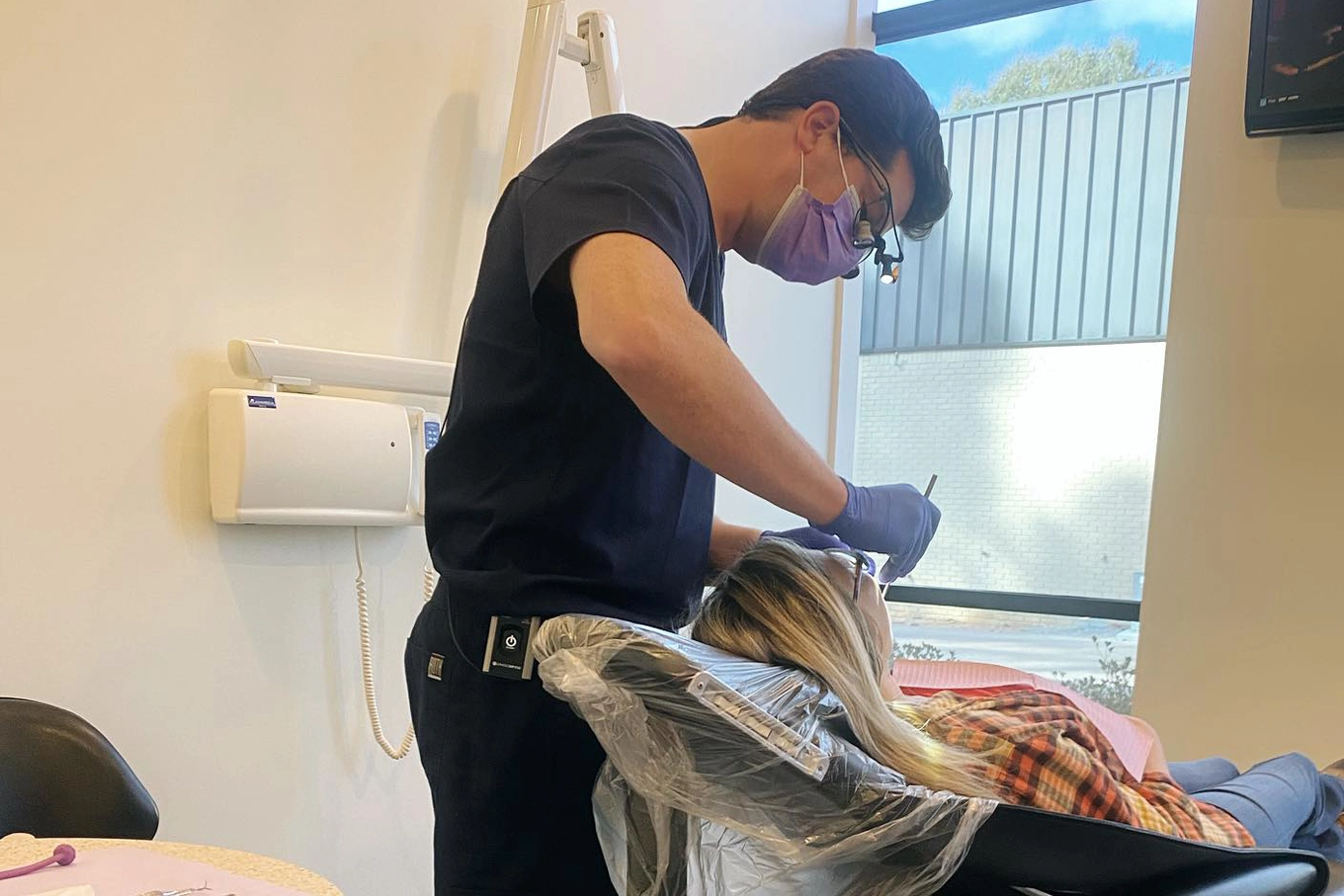
Your dentist carefully examines the affected tooth and may recommend digital X-rays to determine how deep the decay extends. Any damaged tooth structure is gently removed before a filling is placed to restore the tooth’s shape, strength, and function.
This process also helps ensure your bite feels comfortable and that bacteria are no longer trapped inside the tooth.
Professional treatment focuses on solving the problem, not simply covering it.
Is There Anything You Can Safely Do at Home?
Although you shouldn’t permanently fill a cavity yourself, there are a few things you can do until you can see a dentist.
- Brush twice a day with fluoride toothpaste.
- Floss gently around the affected tooth.
- Rinse your mouth with water after meals.
- Avoid sugary snacks and drinks.
- Avoid chewing on the painful side.
- If recommended, use a temporary filling material only as a short-term solution until your dental appointment.
These steps may help reduce discomfort, but they cannot replace professional care.
How to Reduce Your Risk of Future Cavities?
Preventing cavities is much easier than treating them. Healthy daily habits can significantly lower your risk of tooth decay.
Some of the best ways to protect your smile include:
- Brushing twice every day.
- Flossing daily.
- Limiting sugary foods and beverages.
- Drinking plenty of water throughout the day.
- Visiting your dentist for regular checkups and cleanings.
- Addressing tooth sensitivity or discomfort as soon as it develops.
Consistent preventive care helps keep small issues from becoming larger problems.
Protect Your Smile with the Right Care
Trying to fill a cavity at home may seem like an easy solution, but it doesn’t address the cause of tooth decay. Professional treatment removes the damaged tooth structure, protects your natural tooth, and helps prevent future complications. The sooner a cavity is treated, the more likely it is that a simple procedure can restore your smile.
At our dental practice, we’re committed to helping patients make informed decisions about their oral health through compassionate, personalized care. If you’re looking for a dentist in New Albany who can evaluate tooth decay and recommend the right treatment, our team is proud to serve families throughout the area. Contact us today to learn how we can help you maintain a healthy, confident smile.