




Jaw pain is one of those symptoms that can have several different causes, and it’s not always obvious where to start looking. While a lot of people assume jaw discomfort is purely a joint issue, the way your teeth come together when you bite down actually plays a bigger role than most people realize. In many cases, treatment involving Invisalign & braces can address the root cause rather than just managing the discomfort.
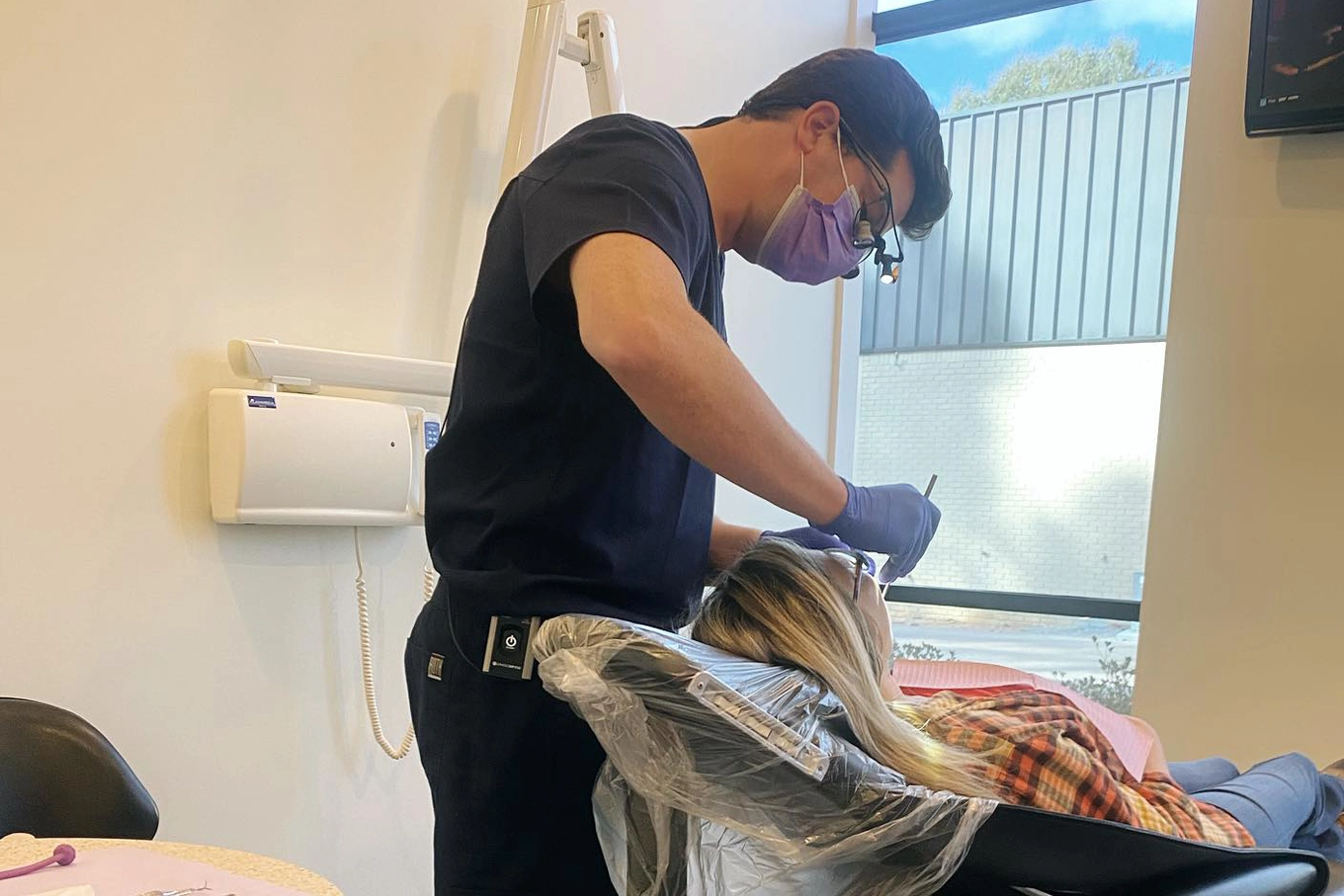
At Mercier Dental, Dr. Mercier evaluates jaw pain regularly as part of a broader look at how a patient’s bite is functioning, since addressing the alignment issue directly often provides more lasting relief than treating jaw symptoms in isolation.
How Bite Misalignment Contributes to Jaw Pain?
When teeth don’t come together evenly, the jaw muscles have to work harder and often in unnatural patterns to compensate. Over time, this extra strain can lead to muscle fatigue, tension, and discomfort that radiates through the jaw and sometimes into the neck, shoulders, or even as headaches.
A few specific types of misalignment are more often linked to jaw pain than others.
Overbite or underbite: When the upper and lower jaw don’t align properly, the jaw joint itself can be placed under uneven pressure every time you bite or chew.
Crossbite: When certain teeth sit inside or outside their normal position relative to the opposing teeth, it can force the jaw to shift slightly to find a comfortable bite, creating ongoing strain over time.
Uneven tooth contact: Sometimes just a few teeth meeting incorrectly can throw off the entire bite pattern, causing the jaw to compensate in ways that lead to tension and discomfort.
Signs Your Jaw Pain Might Be Bite-Related
A few signs can point toward misalignment as a contributing factor rather than a purely joint-related issue. These include jaw discomfort that worsens throughout the day, particularly after eating or talking. Clicking or popping sounds when opening and closing the mouth. Noticeable wear patterns on certain teeth, suggesting uneven pressure during biting. Frequent headaches, especially around the temples, with no other clear explanation. And a sense that your bite feels “off” or uneven when your teeth come together.
Why Addressing the Bite Matters?
Treating jaw pain without addressing an underlying bite issue often provides only temporary relief, since the root cause- uneven pressure and compensation from the jaw muscles- remains unresolved. This is why a proper evaluation matters before assuming the discomfort is purely muscular or joint-related.
Orthodontic treatment, whether through braces or clear aligners, works by gradually shifting the teeth into a position where they meet more evenly. As the bite improves, the jaw no longer has to compensate the way it did before, which often leads to a noticeable reduction in tension and discomfort over time.
What an Evaluation for Jaw Pain Typically Involves
A thorough evaluation usually starts with a close look at how the teeth come together, along with a review of any symptoms like clicking, popping, or muscle tenderness. Imaging may also be used to get a clearer picture of the jaw joint and how the bite is functioning overall.
From there, we discuss whether orthodontic treatment is likely to help, and what that process would look like based on the specific type of misalignment present.
If you’ve been dealing with ongoing jaw discomfort and haven’t found lasting relief, contact us to schedule an evaluation, and we’ll help determine whether your bite is playing a role.
Other Contributing Factors Worth Ruling Out
While bite misalignment is a common contributor, it’s not the only possible cause of jaw pain. Teeth grinding, stress, and certain joint conditions can also play a role, sometimes alongside a bite issue rather than instead of one. This is part of why a proper evaluation matters, rather than assuming any single cause without a closer look.
Finding Lasting Relief
Jaw pain can be frustrating, especially when it doesn’t seem to improve with typical remedies like rest or over-the-counter pain relief. Understanding whether your bite is contributing to the problem opens up treatment options that address the underlying cause, rather than just managing symptoms as they come up.
Let’s Get to the Root of Your Jaw Pain – Visit Our Dental Practice in New Albany, MS
If jaw discomfort has been part of your daily life, it’s worth having your bite evaluated as a possible contributing factor. Request an appointment with us today, and let’s find a path toward lasting relief together.