


Most people experience a mouth ulcer at some point in their lives. While these small sores may seem harmless, they can make everyday activities like eating, drinking, talking, and even brushing your teeth uncomfortable. The good news is that many mouth ulcers heal on their own within a week or two. However, understanding their symptoms, causes, and treatment options can help you manage discomfort and know when it’s time to seek professional care.
At Mercier Dental, we believe that good dental care starts with recognizing even the smallest changes in your oral health. A painful sore inside your mouth may not always be a cause for concern, but knowing what to watch for can help prevent complications and keep your smile healthy. In this guide, we’ll explain what mouth ulcers are, why they happen, how they can be treated, and when you should consider seeing a dental professional.
What Are Mouth Ulcers?
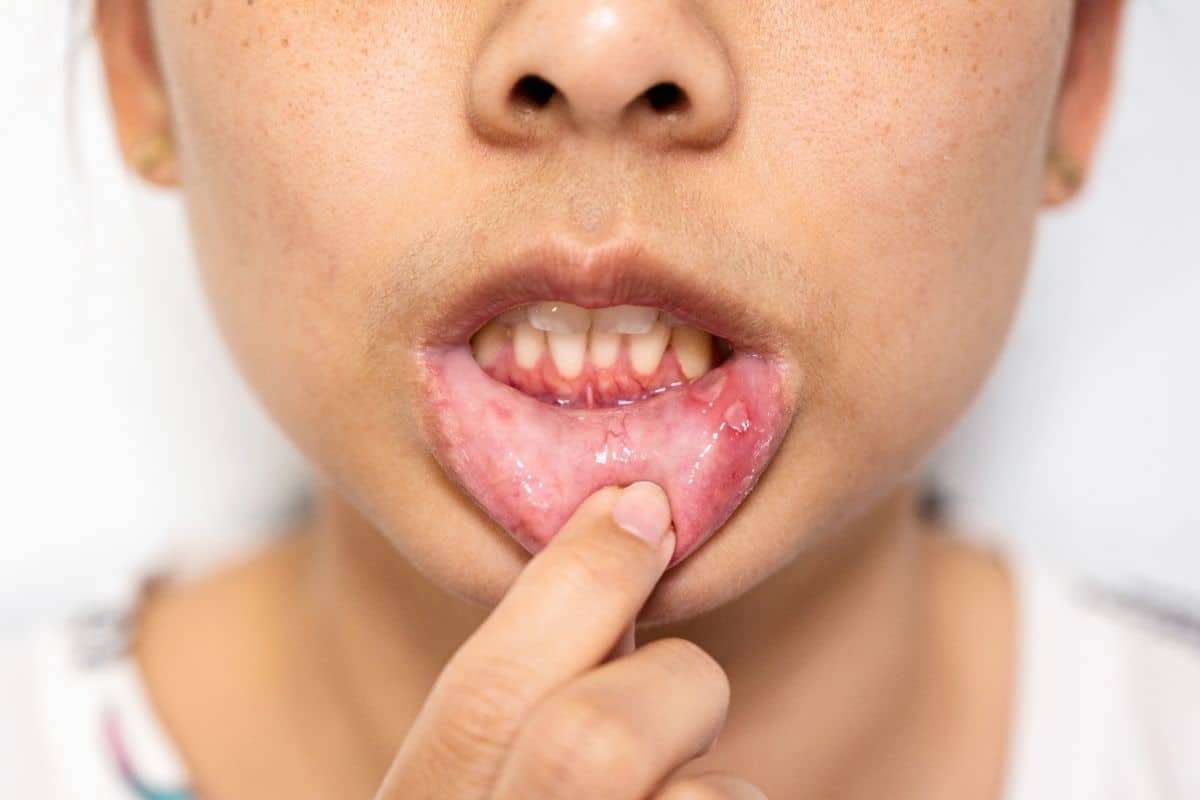
Mouth ulcers are small sores that develop on the soft tissues inside the mouth. They commonly appear on the inside of the cheeks, lips, gums, under the tongue, or on the floor of the mouth. Unlike cold sores, which usually develop outside the mouth and are caused by a virus, mouth ulcers are not contagious.
These sores often have a white, yellow, or gray center surrounded by a red border. Although they are usually small, they can become painful, especially when they come into contact with certain foods or beverages.
Most mouth ulcers heal naturally without leaving scars. However, larger or recurring ulcers may require professional evaluation to determine if an underlying issue is contributing to the problem.
Common Symptoms of Mouth Ulcers
The symptoms of mouth ulcers can vary depending on their size and severity, but most people notice discomfort before they even see the sore.
Common symptoms include:
- A round or oval sore with a white, yellow, or gray center
- A red, inflamed border around the ulcer
- Pain or burning while eating or drinking
- Discomfort when speaking or brushing your teeth
- Increased sensitivity to spicy, salty, or acidic foods
- Mild swelling around the affected area
Some people experience a tingling or burning sensation a day or two before the ulcer becomes visible. This early warning sign can help you begin managing discomfort before the sore fully develops.
What Causes Mouth Ulcers?
There isn’t one single cause of mouth ulcers. Instead, several factors can contribute to their development.
Minor Injuries
Accidentally biting the inside of your cheek, brushing too aggressively, or irritation from braces or dentures can damage the soft tissues inside your mouth. Even a sharp edge on a broken tooth may lead to an ulcer.
Stress and Fatigue
Emotional stress and lack of sleep can affect your body’s ability to heal properly. Many people notice that mouth ulcers appear during particularly stressful periods of life.
Nutritional Deficiencies
A lack of certain nutrients may increase your chances of developing mouth ulcers. Low levels of iron, vitamin B12, or folic acid can sometimes contribute to recurring sores.
Certain Foods
Some foods can irritate sensitive tissues inside the mouth. Acidic fruits, spicy meals, salty snacks, and crunchy foods may trigger or worsen an ulcer in some individuals.
Hormonal Changes
Hormonal fluctuations can also increase the likelihood of developing mouth ulcers, particularly for some women during certain stages of their menstrual cycle.
Medical Conditions
Occasionally, recurring or severe mouth ulcers may be associated with underlying health conditions affecting the immune system or digestive tract. If ulcers continue to return or fail to heal, it’s important to have them evaluated.
Types of Mouth Ulcers
Not all mouth ulcers are the same. Understanding the different types can help you recognize when additional care may be needed.
Minor Mouth Ulcers
These are the most common type. They are usually small, shallow, and heal within one to two weeks without leaving scars. Although uncomfortable, they generally do not require professional treatment.
Major Mouth Ulcers
Major ulcers are larger and deeper than minor ulcers. They can be extremely painful and may take several weeks to heal. In some cases, they may leave scarring after healing.
Herpetiform Mouth Ulcers
Despite the name, these ulcers are not related to the herpes virus. They appear as multiple tiny sores that may join together to form one larger ulcer. Although less common, they can be particularly painful.
How Can You Treat Mouth Ulcers?
While there is no instant cure, several simple treatments can help reduce discomfort and support healing.
Rinse With Saltwater
A warm saltwater rinse can help keep the ulcer clean and reduce irritation. Swish gently for about 30 seconds before spitting it out.
Stay Hydrated
Drinking plenty of water helps keep your mouth moist and supports your body’s natural healing process.
Choose Soft Foods
Soft foods like yogurt, mashed potatoes, oatmeal, soups, and smoothies are generally easier to eat while an ulcer is healing. Avoid foods that are spicy, acidic, or crunchy until the sore improves.
Practice Gentle Oral Hygiene
Continue brushing and flossing every day, but use a soft-bristled toothbrush and avoid brushing directly over the ulcer whenever possible. Keeping your mouth clean reduces the risk of additional irritation.
Use Over-the-Counter Products
Protective gels, medicated mouth rinses, and pain-relieving products designed for mouth ulcers may help reduce discomfort while the sore heals. Always follow the instructions provided with these products.
Need Professional Advice About a Painful Mouth Ulcer?
Although many mouth ulcers heal without treatment, some sores become unusually painful, last longer than expected, or keep coming back. If you’re experiencing persistent discomfort or have concerns about changes inside your mouth, don’t ignore them.
Contact Us to schedule an evaluation. A dental professional can examine the affected area, determine whether additional treatment is needed, and help you find relief while protecting your overall oral health.
When Should You See a Dentist?
Most mouth ulcers heal within one to two weeks without causing long-term problems. However, there are times when professional care is important. A persistent ulcer could be a sign of an underlying issue that requires evaluation.
You should consider seeing a dentist if you experience any of the following:
- A mouth ulcer that lasts longer than two weeks
- A sore that is unusually large or very painful
- Difficulty eating, drinking, or speaking because of the ulcer
- Frequent mouth ulcers that keep returning
- Swelling, fever, or swollen lymph nodes along with the ulcer
- An ulcer that continues to grow or changes in appearance
A dental examination can help determine whether the sore is a typical mouth ulcer or if additional testing or treatment is necessary.
Can Mouth Ulcers Be Prevented?
While it’s not always possible to prevent every mouth ulcer, healthy habits can reduce your chances of developing them.
Maintain Good Oral Hygiene
Brushing twice a day with a soft-bristled toothbrush and flossing daily help keep your mouth clean and lower the risk of irritation and infection.
Eat a Balanced Diet
A healthy diet rich in vitamins and minerals supports your immune system and helps maintain healthy tissues inside your mouth. If you have recurring ulcers, your healthcare provider may recommend checking for nutritional deficiencies.
Stay Hydrated
Drinking enough water throughout the day helps prevent a dry mouth and supports healthy oral tissues.
Manage Stress
Stress affects many parts of the body, including your oral health. Finding healthy ways to manage stress, such as regular exercise, meditation, or getting enough sleep, may reduce the frequency of mouth ulcers.
Avoid Known Triggers
If you’ve noticed that certain foods or products consistently irritate your mouth, limiting or avoiding them may help prevent future sores.
Schedule Regular Dental Checkups
Routine dental visits allow potential problems to be identified before they become more serious. Your dental team can also provide personalized advice if you experience recurring mouth ulcers.
Keep Your Mouth Healthy and Comfortable With Mercier Dental
Mouth ulcers are common and often heal on their own, but understanding their symptoms and treatment options can make the healing process much easier. Paying attention to changes inside your mouth, practicing good oral hygiene, and seeking professional advice when needed can help prevent minor issues from becoming bigger concerns.
At our dental practice, we’re committed to helping patients maintain healthy smiles through every stage of life. If you’re looking for an experienced dentist in New Albany, MS, who can evaluate persistent mouth ulcers and provide personalized dental care, our team is here to help. Request an Appointment today to receive the professional care and guidance you deserve.