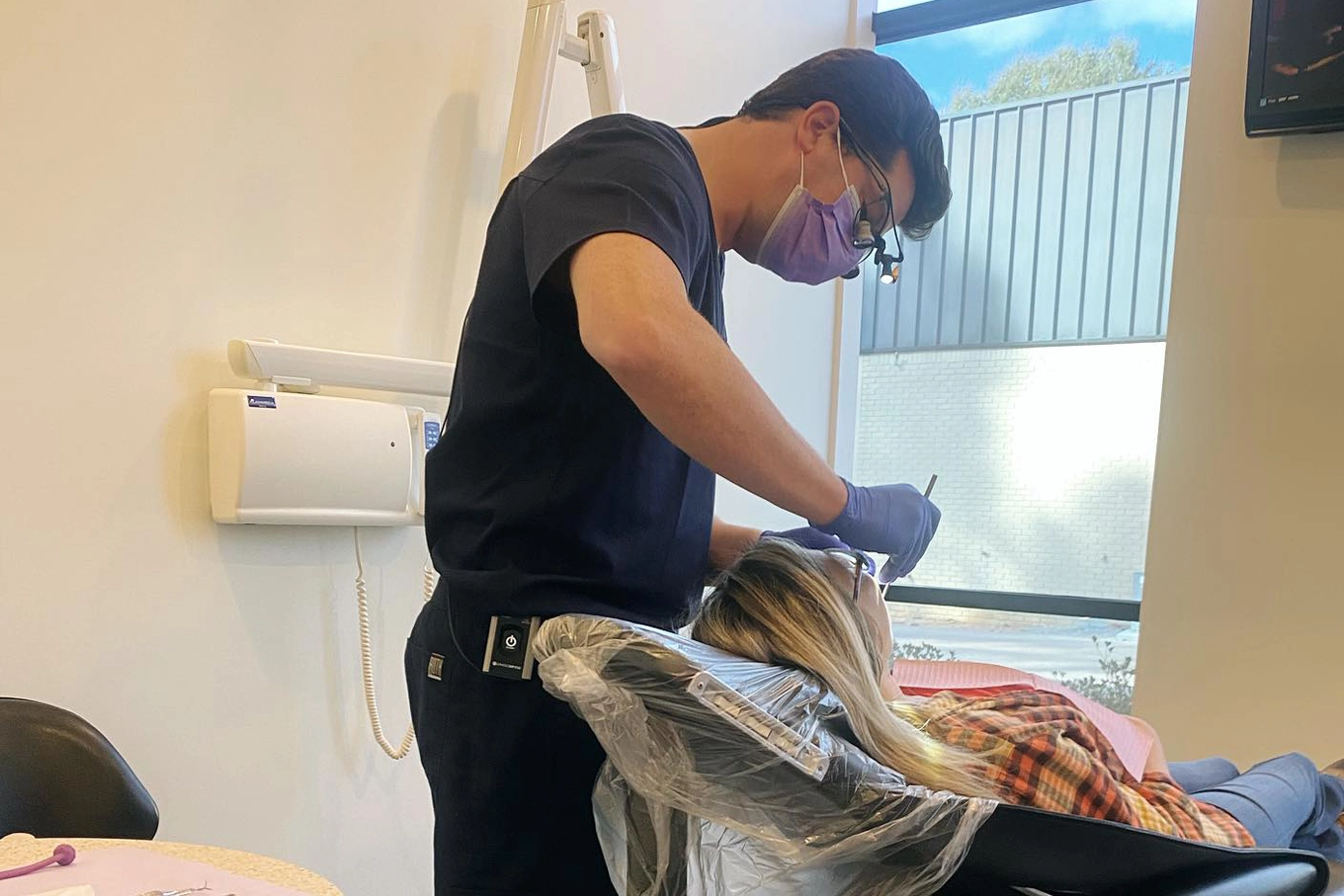





Winter might bring cozy blankets and warm drinks, but it can also bring something much less pleasant — dry mouth, irritated gums, and sensitive teeth. If you’ve ever stepped outside on a cold morning and felt your mouth instantly tighten or dry out, you’re not imagining it. The colder months can genuinely affect your oral health, and understanding the proper routine can make all the difference.
Below, you’ll find a simple, effective winter oral care routine to help keep your mouth comfortable and healthy all season long.
Why Winter Causes Dry Mouth and Oral Discomfort
Cold air holds less moisture, and when you’re breathing in that chilly air, your mouth can dry out quickly. On top of that, indoor heating systems pull even more moisture from your environment.
This combination often leads to:
- Dry mouth
- Increased sensitivity
- Irritated gums
Seasonal colds and sinus issues can also make you switch to mouth breathing, which only worsens dryness. Even common winter medications, like antihistamines, can reduce saliva production.
Common Oral Problems That Appear in Winter
It’s normal to notice a few changes in your mouth as temperatures drop. Some of the most common include:
- Persistent dry mouth
- Cracked or chapped lips
- Sore or irritated gums
- More plaque buildup
- Tooth sensitivity to hot and cold drinks
The good news? A solid oral care routine can prevent most of these issues.
Daily Oral Care Routine to Protect Your Mouth in Winter
1. Start With Proper Hydration
Drinking enough water is the easiest way to fight winter dryness. Water keeps your saliva flowing, which protects your teeth from decay and keeps your mouth comfortable. Try sipping water throughout the day rather than drinking large amounts all at once.
2. Switch to a Soft-Bristled Toothbrush
Cold weather can make your gums tender. A soft-bristled brush is gentle enough to clean your teeth without causing additional irritation. It’s a simple swap that makes brushing much more comfortable.
3. Use Fluoride Toothpaste for Extra Support
Fluoride strengthens enamel and reduces sensitivity — two things you want during winter.
If sensitivity becomes persistent, a dentist may also suggest switching to a specialized toothpaste for extra protection.
4. Add a Humidifier to Your Nighttime Routine
Running a humidifier at night helps restore moisture to the air. This can significantly reduce mouth and throat dryness while you sleep.
5. Rinse With Alcohol-Free Mouthwash
Alcohol-based mouthwash can further dry out your mouth. An alcohol-free alternative keeps your breath fresh without stripping away moisture.
6. Keep Your Lips Protected
Dry, cracked lips are one of winter’s biggest annoyances. Use a gentle, unscented lip balm and reapply it often — especially before going outside.
Extra Winter Tips to Keep Your Mouth Comfortable
A few more habits can help keep your mouth healthier this season:
- Try to breathe through your nose when outdoors.
- Avoid overusing whitening products during sensitive months.
- Enjoy holiday sweets in moderation.
- See your dentist if dryness starts affecting your comfort or daily routine.
When to See a Dentist for Seasonal Dryness?
Sometimes dryness doesn’t improve on its own. You should reach out to a dentist if you experience:
- Ongoing sensitivity
- Burning mouth sensation
- Cracked corners of the lips that don’t heal
- Noticeable changes in saliva
These symptoms can indicate underlying issues that need professional care.
Get a Healthier Winter Smile – Visit Mercier Dental in New Albany
If winter dryness is making your mouth uncomfortable, our team at Mercier Dental is here to help you find long-lasting relief. Whether it’s sensitivity, dry mouth, or gum irritation, we’ll guide you toward solutions that keep your smile feeling its best through the cold months. Request an appointment today and protect your oral health all winter long.