


Tooth discomfort is something most of us experience at some point, but knowing whether it’s just sensitivity or a cavity can be confusing. For many people in New Albany, the first sign of trouble may be a sudden twinge while eating something sweet or sipping a cold drink. If you’ve ever wondered how to tell if you might have a cavity, this guide will walk you through the signs, why they matter, and when to see a dentist.
What Exactly Is a Cavity?
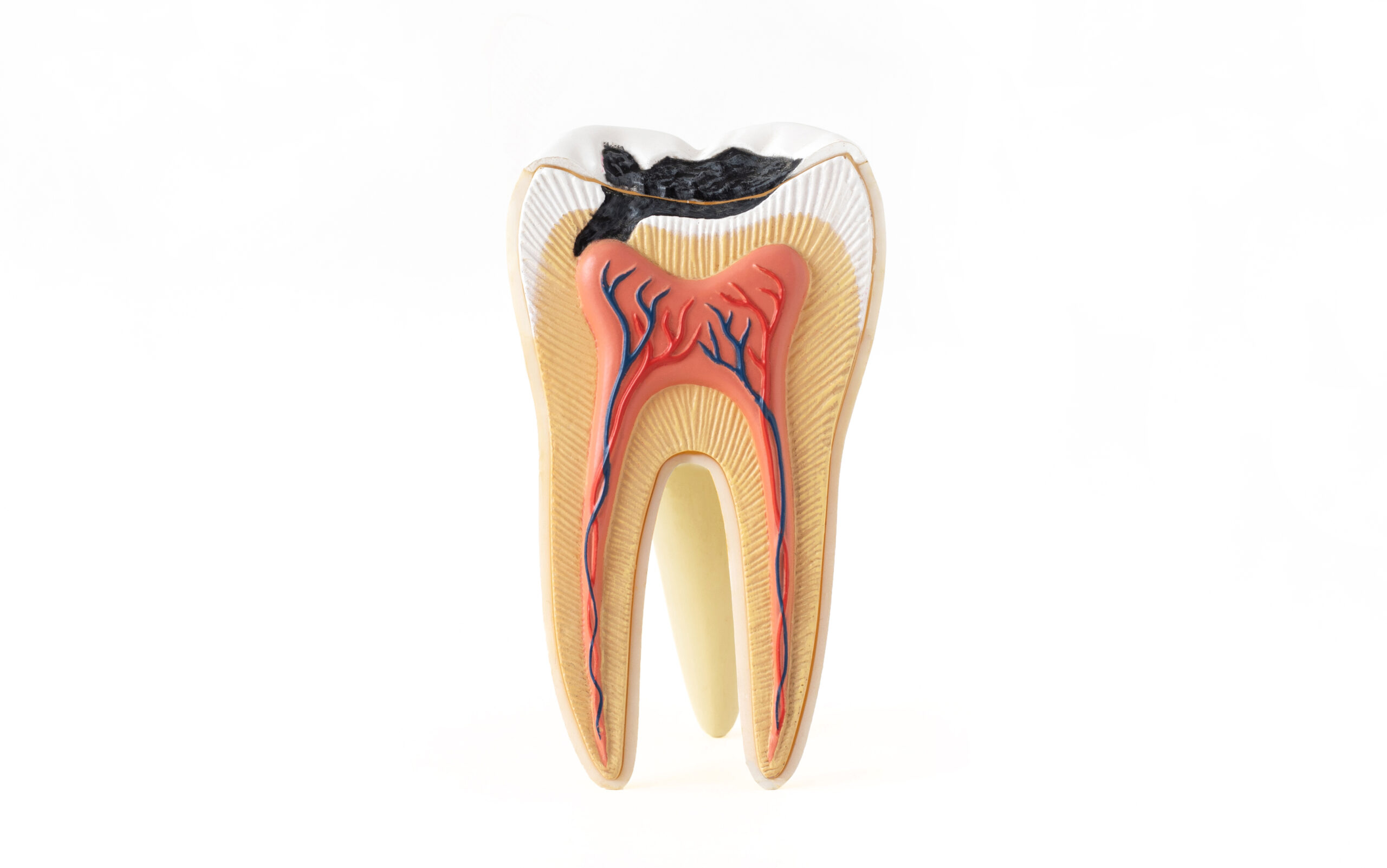
A cavity is a small hole that develops in your tooth when the enamel breaks down. This usually happens because of plaque, a sticky film of bacteria that feeds on sugars and produces acids. Over time, these acids wear away your tooth surface, leading to decay. Cavities may seem minor initially, but if ignored, they can grow deeper and affect the tooth’s inner layers.
Common Signs You May Have a Cavity
Tooth Sensitivity
If you feel discomfort when enjoying hot coffee, cold water, or sweet snacks, it might be an early warning sign. Sensitivity often happens when enamel wears down, exposing the dentin underneath.
Visible Holes or Dark Spots
Sometimes you can actually see the problem. Darkened areas, pits, or small holes on your teeth can signal decay.
Persistent Toothache
A cavity that’s been left untreated can cause a dull ache or even sharp pain. If the discomfort lingers, it’s best to have a dentist take a look.
Pain When Biting or Chewing
If biting down feels painful or you notice pressure sensitivity, this may point to a cavity.
Bad Breath or Unpleasant Taste
Cavities harbor bacteria that can cause bad breath or a sour taste in your mouth.
Why It’s Important Not to Ignore the Signs?
Cavities won’t go away on their own. Waiting too long can result in deeper decay, infections, and sometimes even the need for a root canal. Catching a cavity early means simpler treatments like a small filling instead of more complex procedures.
How a Dentist Diagnoses Cavities?
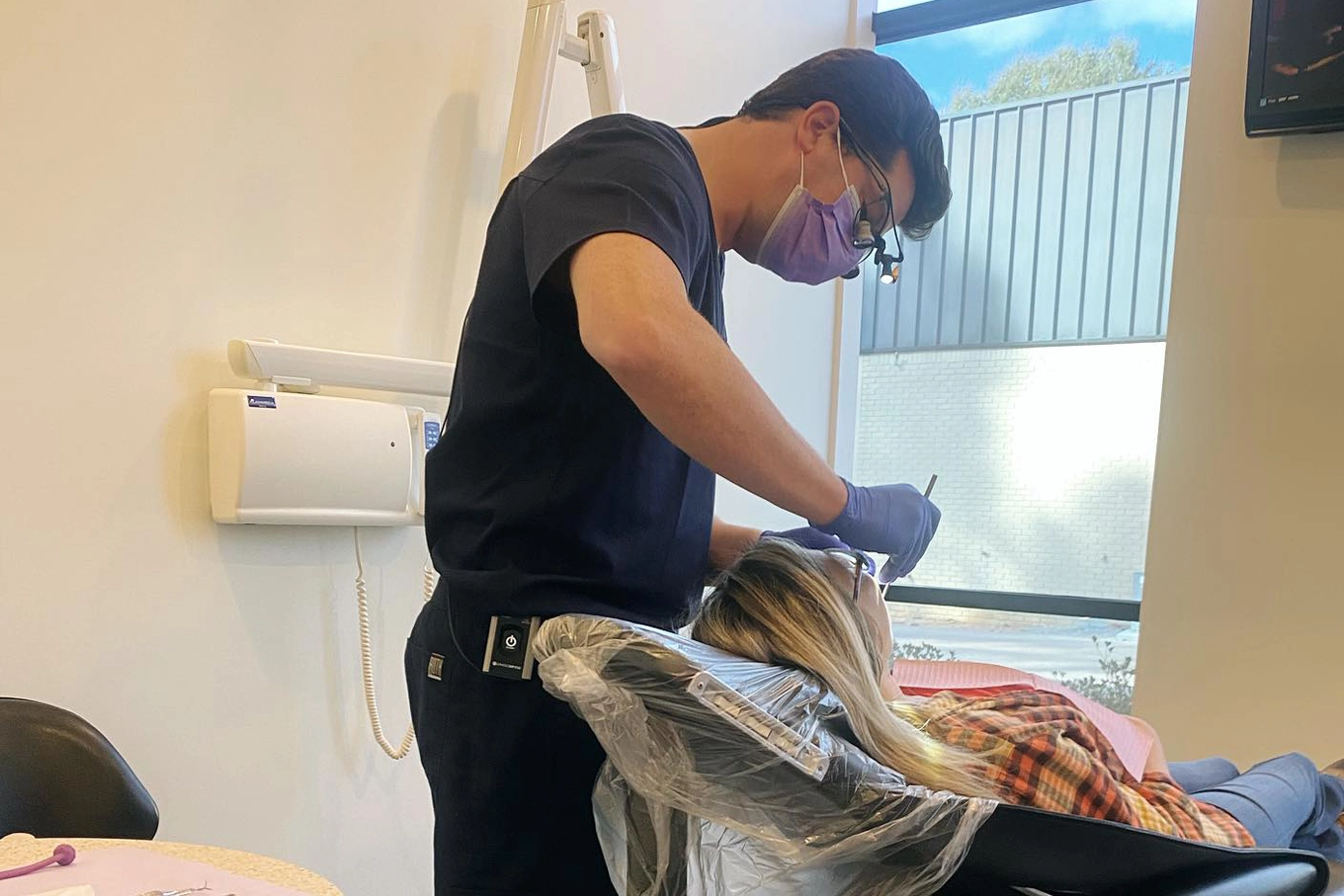
Even if you don’t notice any obvious symptoms, your dentist has the tools to detect cavities in their earliest stages. During routine checkups, dentists use instruments and X-rays to find spots of decay that might not be visible or painful. That’s why regular dental visits are so important—they can save you from future discomfort.
Steps You Can Take to Prevent Cavities
- Brush twice a day with fluoride toothpaste.
- Floss daily to clean between teeth.
- Limit sugary snacks and drinks that fuel bacteria.
- Keep up with regular dental checkups to catch problems early.
These simple habits go a long way in protecting your teeth and keeping your smile healthy.
Protect Your Smile – Visit Mercier Dental in New Albany
Cavities are common, but they don’t have to become a bigger problem with the right care. If you’ve noticed sensitivity, tooth pain, or other possible signs of decay, don’t wait until it worsens. Request an appointment with Mercier Dental today, and let our team help keep your teeth strong and healthy.