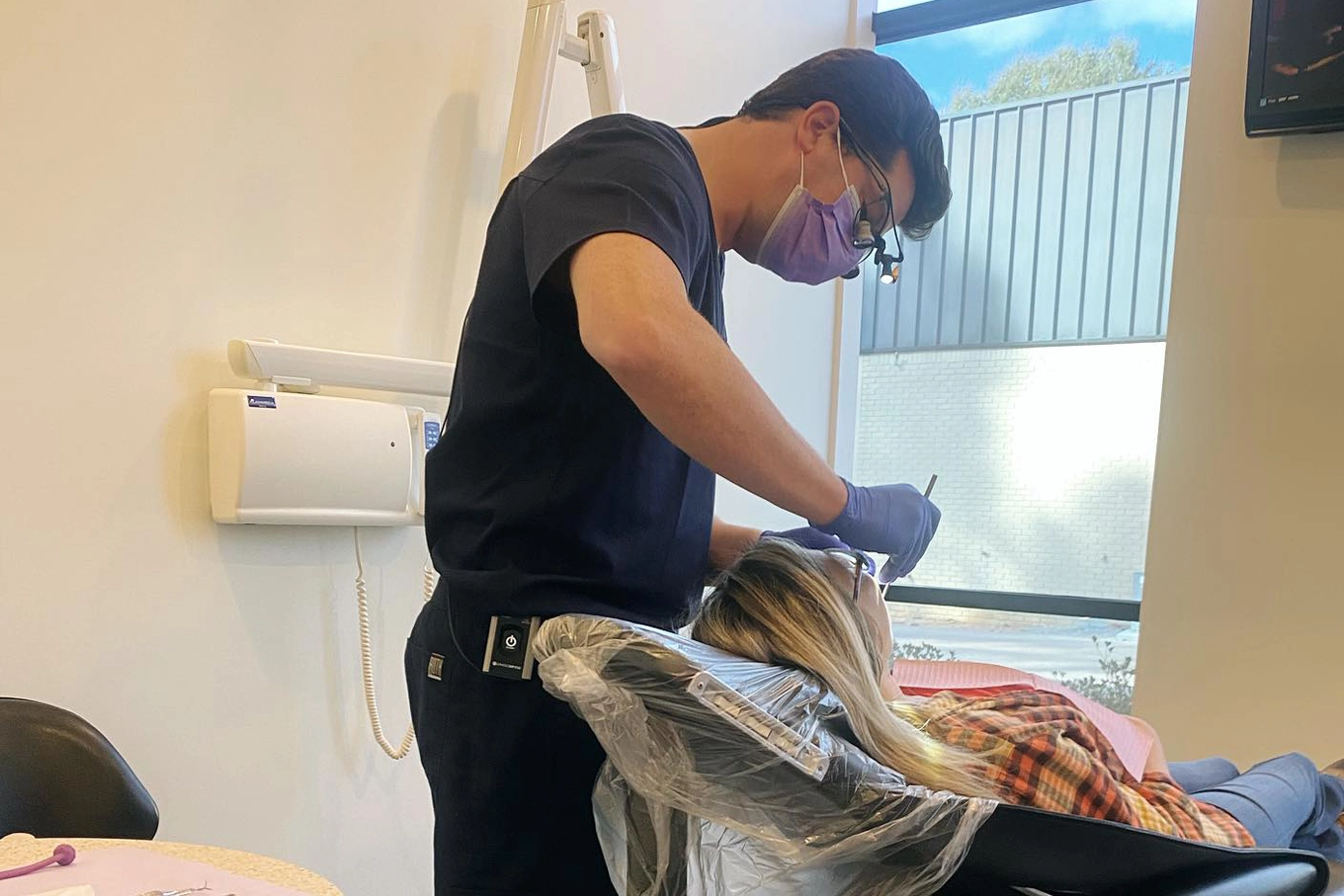





Tooth decay at the gum line can feel sneaky. It starts small, often hiding just where the tooth meets the gums, and many people don’t notice it until sensitivity or visible damage appears. These cavities can progress faster than regular surface cavities because they form on softer tooth areas. Understanding what causes them—and how they’re treated—can help you protect your smile with confidence.
Below, we’ll explore what gum line decay really is, how a dentist typically treats it, and simple habits that can stop it from getting worse.
What Is Gum Line Decay?
Gum line decay is a cavity that forms right along the edge of your tooth where it meets the gums. This area is known as the “cervical” portion of the tooth, and it’s more vulnerable because the enamel is thinner there. When plaque sits at the base of the tooth for too long, it creates an ideal spot for decay to begin.
These cavities can appear on any tooth, but they are especially common on exposed roots—often seen when gums begin to recede.
What Causes Tooth Decay at the Gum Line?
Several everyday habits and conditions can create the perfect environment for gum line decay:
Plaque Buildup
Plaque easily collects at the base of teeth, especially in small crevices. Without regular cleaning, this buildup breaks down enamel and exposes sensitive areas.
Gum Recession
When gums pull back, the root surface becomes exposed. Root surfaces decay more quickly than enamel because they are not protected by the same hard coating.
Dry Mouth
Saliva helps wash away bacteria. When your mouth is dry, food particles and acids stick to the gum line for longer periods.
Brushing Too Hard
Scrubbing aggressively can wear away enamel and speed up gum recession, making decay easier to form.
Daily Habits
Frequent snacking, sugary drinks, tobacco use, and inconsistent oral hygiene can all increase the risk of gum line cavities.
Symptoms You Should Never Ignore
Gum line decay often starts quietly. You may notice:
- Increased sensitivity to cold or sweet foods
- A small notch or rough area near the gum
- Discoloration along the base of the tooth
- Bleeding or irritated gums
- Occasional sharp pain when brushing
If you notice even mild discomfort, it’s important not to wait. These cavities can deepen faster than you might expect.
How do Dentists Treat Gum Line Cavities Effectively?
The right treatment depends on how advanced the cavity is. A dentist will evaluate the area and recommend one of the following:
Fluoride Treatments
For very early decay, fluoride can help strengthen the tooth surface and slow progression.
Dental Fillings
Most gum line cavities are restored with tooth-colored fillings. The material blends with your teeth and helps protect the area from further damage.
Root Surface Restorations
If decay affects the exposed root, a dentist may use a restoration designed to bond securely to root surfaces.
Dental Crowns
If the cavity is large or involves structural loss, a crown may be needed to reinforce the tooth.
Root Canal Therapy
In severe cases where decay reaches the nerve, root canal treatment may be necessary to save the tooth.
Prevention: Everyday Habits That Truly Help
Small changes in your daily routine can make a big difference:
- Use a soft toothbrush and brush gently
- Focus on cleaning along the gum line without pressing too hard
- Floss daily to remove plaque between teeth and beneath the gums
- Drink plenty of water throughout the day
- Limit sugary or acidic drinks
- Choose fluoride toothpaste or mouth rinses
These simple steps support stronger enamel and healthier gums.
When to See a Dentist for Gum Line Decay?
If you notice sensitivity, visible notches, or darkened areas near your gums, it’s time to schedule a visit. Early treatment keeps decay from spreading deeper, and a dentist can help protect the tooth before more advanced procedures become necessary.
Protect Your Smile for the Long Term – Visit Mercier Dental
Gum line decay is easier to treat when caught early, and a skilled dentist can guide you through the best approach for your situation. If you’re in the New Albany, MS area and have concerns about sensitivity or decay near your gums, Mercier Dental is here to help. Request an appointment today to get the care your smile deserves.