


You’ve tried whitening strips, whitening toothpaste, and maybe even a professional treatment. Yet your smile still looks dull or discolored. If you’re wondering why your teeth whitening isn’t working, intrinsic vs. extrinsic stains is the answer most people overlook. Understanding the difference between these two stain types is the key to finally choosing a solution that actually works for your smile.
What Are Extrinsic Stains and Why Whitening Usually Works on Them
Extrinsic stains live on the outer surface of your teeth. They form when pigmented substances contact your enamel over time. Most whitening products are designed to target these stains.
Common causes of extrinsic staining include:
- Coffee and tea consumption
- Red wine and dark sodas
- Tobacco use smoking or chewing
- Certain sauces, berries, and dark-colored foods
- Poor brushing habits that allow surface buildup
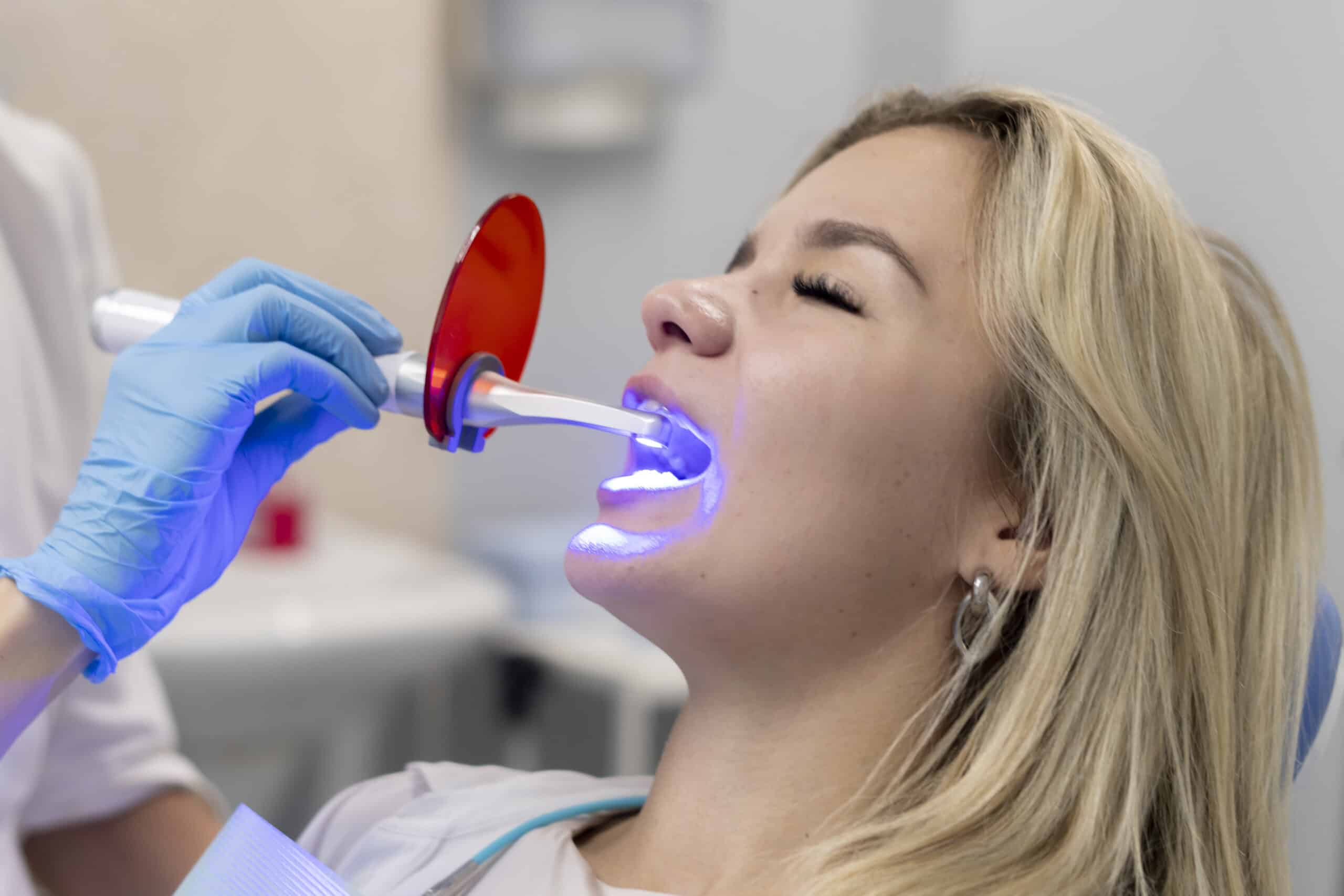
Whitening agents like hydrogen peroxide or carbamide peroxide can effectively break down these surface compounds. That’s why professional whitening treatments tend to produce dramatic results for patients with extrinsic staining. Regular teeth cleaning can also lift surface stains before whitening begins, giving you a better baseline result.
What Are Intrinsic Stains and Why Whitening Often Fails
Intrinsic stains are different. They form inside the tooth within the dentin layer beneath your enamel. Whitening agents cannot penetrate deep enough to reach these stains reliably. That’s why so many patients in New Albany find that whitening produces little to no improvement.
Intrinsic staining has several common causes:
- Tetracycline antibiotic use during childhood tooth development
- Excessive fluoride exposure during early development, known as fluorosis
- Tooth trauma that caused internal bleeding or nerve damage
- Natural aging, which thins enamel and reveals darker dentin beneath
- Certain genetic conditions affecting enamel formation
These stains are locked inside the tooth structure itself. No amount of whitening gel on the outside surface will dissolve them. If your teeth have always had a grayish, yellowish, or banded appearance, intrinsic staining is likely the culprit.
How Dr. Mercier Identifies Your Stain Type
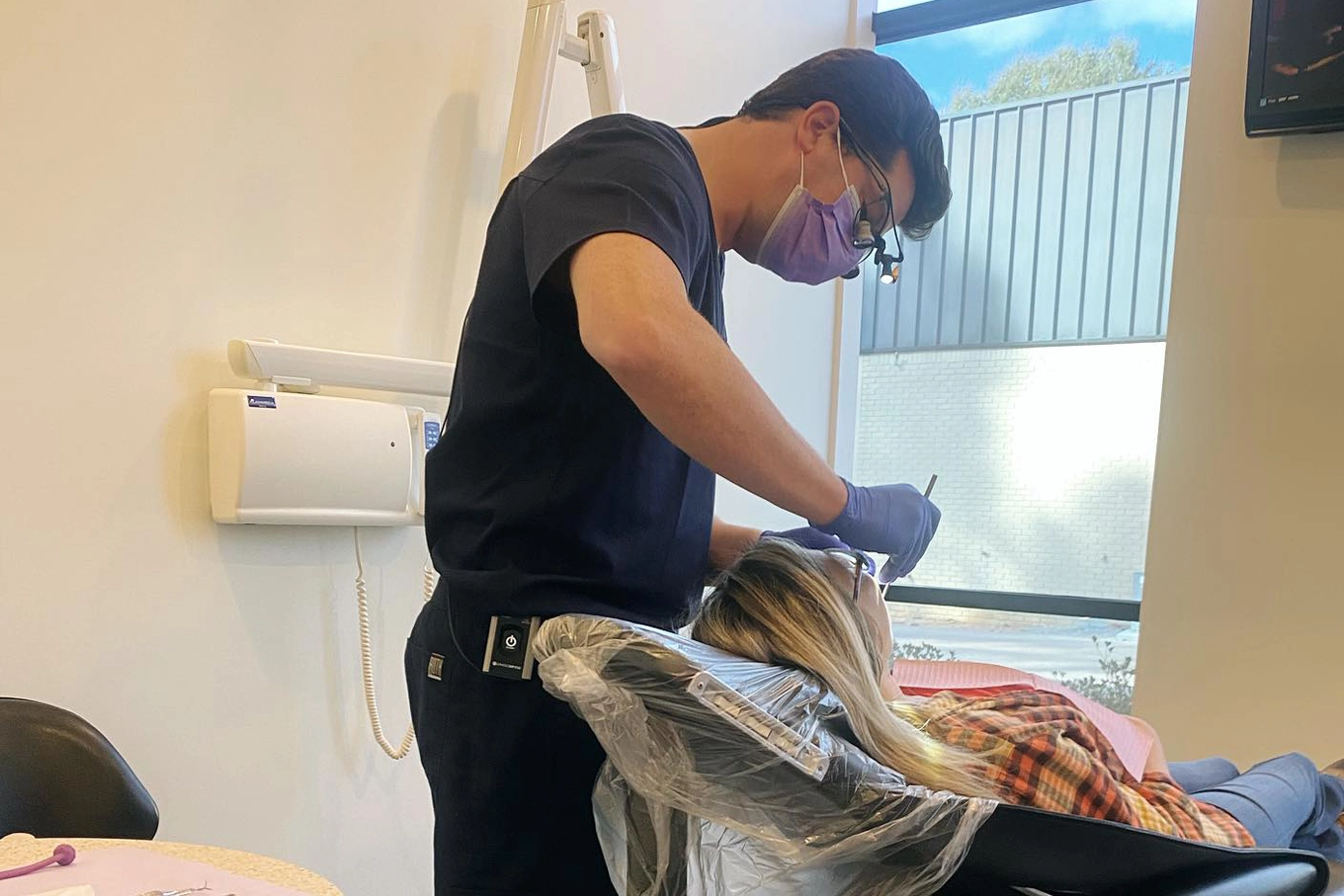
Not every patient can tell the difference between intrinsic and extrinsic staining just by looking. At Mercier Dental, Dr. Marc Mercier performs a thorough exam to determine what’s actually causing your discoloration. This evaluation guides the right treatment recommendation, saving you time and money on approaches that won’t work.
Our dentist reviews your dental and medical history to check for contributing factors like past antibiotic use or trauma. He also examines the color distribution and depth of staining. Surface stains tend to be uneven and concentrated where you contact food or drink. Intrinsic stains often appear more uniform across the whole tooth or show distinct banding patterns.
This diagnostic step is essential. Skipping it is one reason patients waste money on repeated whitening treatments that never deliver results.
Cosmetic Alternatives That Work for Both Stain Types
The good news is that effective solutions exist for both types of staining. Extrinsic stains typically respond well to professional whitening combined with consistent preventive care. Intrinsic stains require a different approach one that covers or replaces the discolored tooth surface rather than trying to bleach through it.
For patients with intrinsic staining, Cosmetic Dentistry New Albany options like veneers and dental bonding are often the most effective path to a brighter smile. Veneers are thin porcelain shells bonded to the front surface of your teeth. They completely mask deep discoloration with a natural-looking, durable finish.
Dental bonding is a more affordable option for patients with minor intrinsic staining or small discolored areas. Dr. Mercier applies a tooth-colored resin directly to the tooth surface. It’s sculpted and polished to blend seamlessly with surrounding teeth.
Can You Combine Treatments for Better Results?
Yes, and many patients benefit from a combined approach. If you have both surface and deep staining, Dr. Mercier may recommend whitening first to brighten the surrounding teeth. Then cosmetic options like veneers or bonding can be color-matched to your newly whitened shade.
This sequencing matters. You should always whiten before getting veneers or bonding placed. Whitening agents do not work on dental restorations. If you whiten after a restoration is placed, the restoration will no longer match your natural teeth.
A clear treatment plan eliminates this problem. At Mercier Dental, every cosmetic case starts with a conversation about your goals, your timeline, and your budget. Dr. Mercier walks you through every step before any treatment begins.
Tips for Maintaining Your Results Long-Term
Whether you address extrinsic or intrinsic staining, maintaining your results requires consistent habits. Here are practical steps to protect your smile after treatment:
- Brush twice daily with a soft-bristled toothbrush and fluoride toothpaste
- Floss daily to prevent buildup between teeth
- Limit coffee, tea, and red wine, or rinse with water after consuming them
- Avoid tobacco products in any form
- Schedule regular professional cleanings at Mercier Dental every six months
If you had whitening treatment, touch-up sessions can significantly extend your results. Dr. Mercier can recommend a schedule based on your specific staining history and lifestyle habits.
Conclusion
Not all tooth discoloration responds to whitening, and now you know why. Extrinsic stains on the surface respond well to bleaching agents. Intrinsic stains locked inside the tooth require cosmetic solutions like veneers, bonding, or crowns. The right answer depends entirely on what type of staining you have. Dr. Marc Mercier at Mercier Dental in New Albany, MS, is ready to help you find that answer and build a treatment plan that delivers real, lasting results. Book Now to schedule your appointment with our team.
Frequently Asked Questions
Why isn’t my whitening toothpaste making my teeth whiter?
Whitening toothpaste works primarily on surface stains through mild abrasives or low-concentration bleaching agents. If your discoloration is intrinsic, originating inside the tooth, whitening toothpaste will not reach it. A dental exam can help identify the source of your discoloration and guide you toward effective options.
How do I know if I have intrinsic or extrinsic staining?
Extrinsic stains often appear as uneven patches concentrated where food and drink contact the teeth. Intrinsic stains typically show as a uniform gray, yellow, or banded discoloration across the entire tooth. A dentist like Dr. Mercier can confirm which type you have during a clinical evaluation.
Is teeth whitening safe for everyone?
Professional whitening is safe for most healthy adults with extrinsic staining. It is not recommended for patients with severe enamel erosion, gum disease, or intrinsic staining since whitening will not improve those conditions and could cause sensitivity without benefit. Your dentist will assess your suitability before recommending whitening.
How long do veneers last compared to whitening?
Porcelain veneers typically last 10 to 15 years or longer with proper care. Professional whitening results generally last one to three years depending on diet and lifestyle habits. For patients with intrinsic staining, veneers offer a far more durable and reliable solution than repeated whitening treatments.
Can dental bonding fix tetracycline staining?
Dental bonding can improve the appearance of mild to moderate tetracycline staining by covering the discolored surface with tooth-colored resin. For more severe banding or discoloration, porcelain veneers may provide better long-term coverage and a more natural appearance. Dr. Mercier can evaluate your specific case and recommend the most effective option.