




Losing a tooth can affect much more than your smile. It can make eating certain foods difficult, change the way you speak, and impact your confidence. For many people, dental implants are one of the most reliable ways to replace missing teeth. However, if you have gum disease, you may be wondering whether implants are still an option.
The good news is that many patients with gum disease can still qualify for the dental implant procedure after receiving the appropriate treatment. While healthy gums and strong jawbone support are important for implant success, having a history of gum disease does not automatically prevent you from restoring your smile with implants.
Understanding how gum disease affects oral health can help you make informed decisions about your treatment options.
Why Gum Disease Matters When Considering Dental Implants?
Dental implants depend on healthy gums and strong bone support to stay secure. When gum health is compromised, it can affect the foundation needed for successful implant treatment.
Many people who have experienced gum-related problems assume they are no longer candidates for implants. However, that is not always the case. With proper treatment and ongoing care, many patients can still move forward with dental implants and enjoy long-term results.
The key is identifying and addressing any existing infection before implant placement. Healthy gums help support healing, reduce the risk of complications, and create a stable environment for the implant. By treating underlying issues first, patients often have a much better chance of achieving successful and lasting outcomes.
Can You Get Dental Implants If You Have Gum Disease?
Yes, many patients with gum disease can still receive dental implants. However, active gum disease must usually be treated before implant placement can begin.
Dental implants rely on healthy gum tissue and sufficient bone support to remain stable for many years. If infection is present, it can interfere with healing and increase the risk of implant failure.
For this reason, your dentist will typically focus on eliminating the infection and improving gum health before moving forward with implant treatment.
How Gum Disease Affects Dental Implant Success
Gum disease can create several challenges when planning for dental implants.
Bone Loss
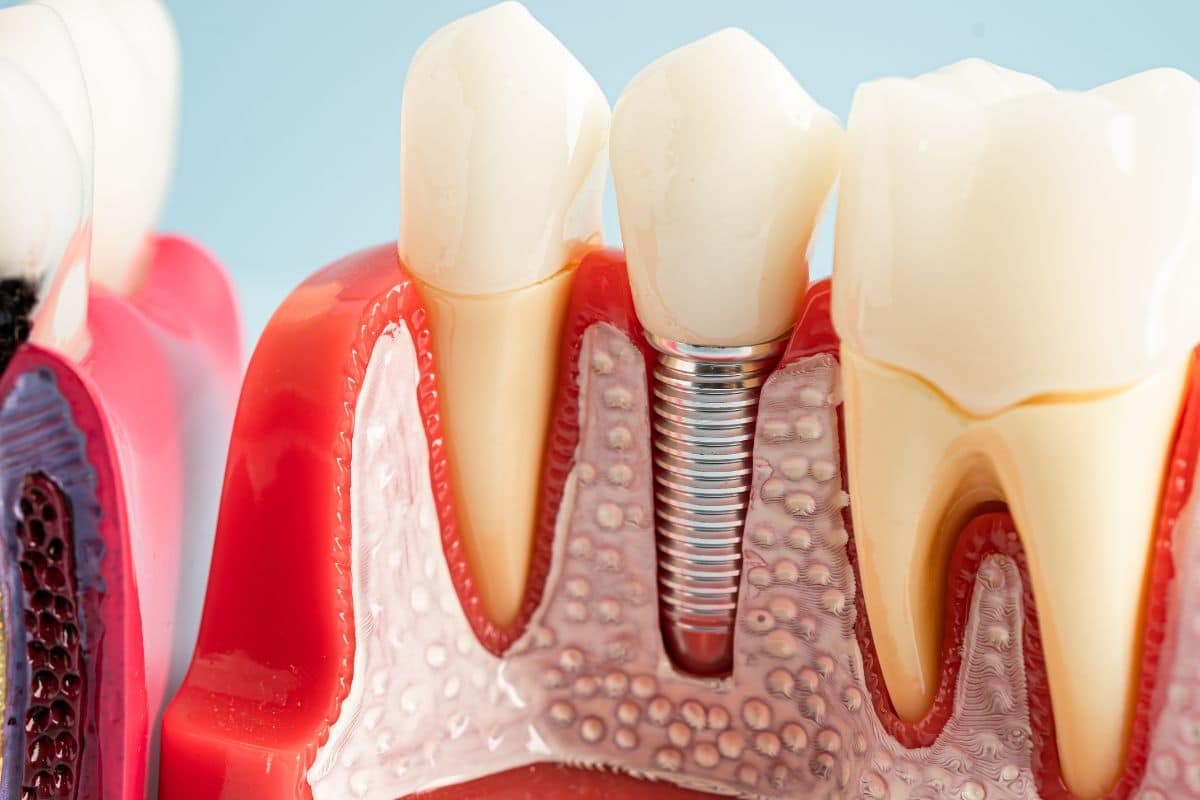
Advanced gum disease often causes deterioration of the jawbone. Since implants are placed directly into the bone, adequate bone volume is necessary to support them properly.
When significant bone loss has occurred, additional procedures may be recommended before implant placement.
Increased Risk of Infection
Active bacterial infections can affect both natural teeth and dental implants. If gum disease is not controlled, harmful bacteria may compromise the tissues surrounding an implant.
Reduced Implant Stability
Successful implants depend on a process called osseointegration, where the implant fuses with the jawbone. Healthy tissues help support this healing process, while untreated gum disease can make long-term stability more difficult to achieve.
The Dental Implants Procedure for Patients With Gum Disease
Every patient is different, but the dental implant procedure for someone with gum disease often involves several important steps.
Comprehensive Examination
The first step is a thorough dental evaluation. Your dentist will assess your gums, bone levels, and overall oral health using examinations and diagnostic imaging.
Gum Disease Treatment
Before implants can be placed, any active gum infection must be addressed. Treatment may include deep cleaning procedures, periodontal therapy, and personalized oral hygiene recommendations.
Bone Grafting if Needed
If gum disease has caused bone loss, a bone graft may be recommended. This procedure helps rebuild the jawbone and create a stronger foundation for future implants.
Implant Placement
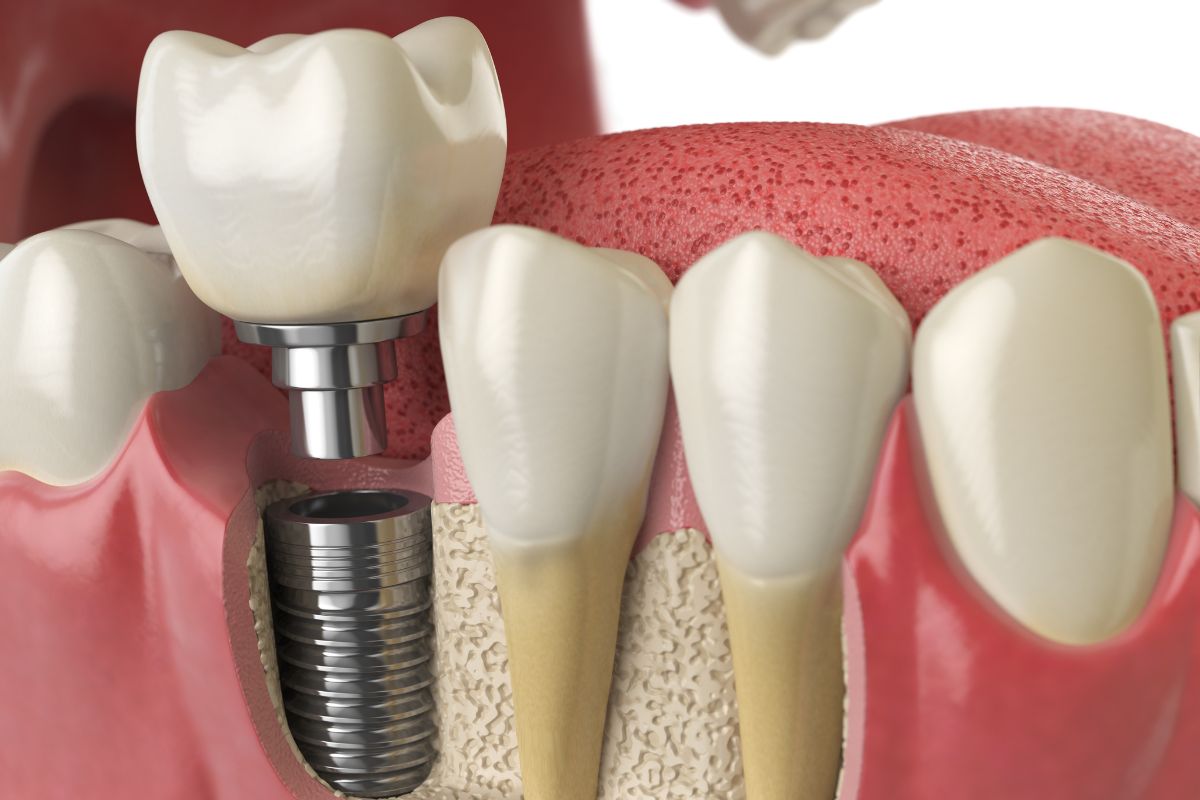
Once the gums and bone are healthy enough, the implant can be surgically placed into the jawbone.
Healing and Final Restoration
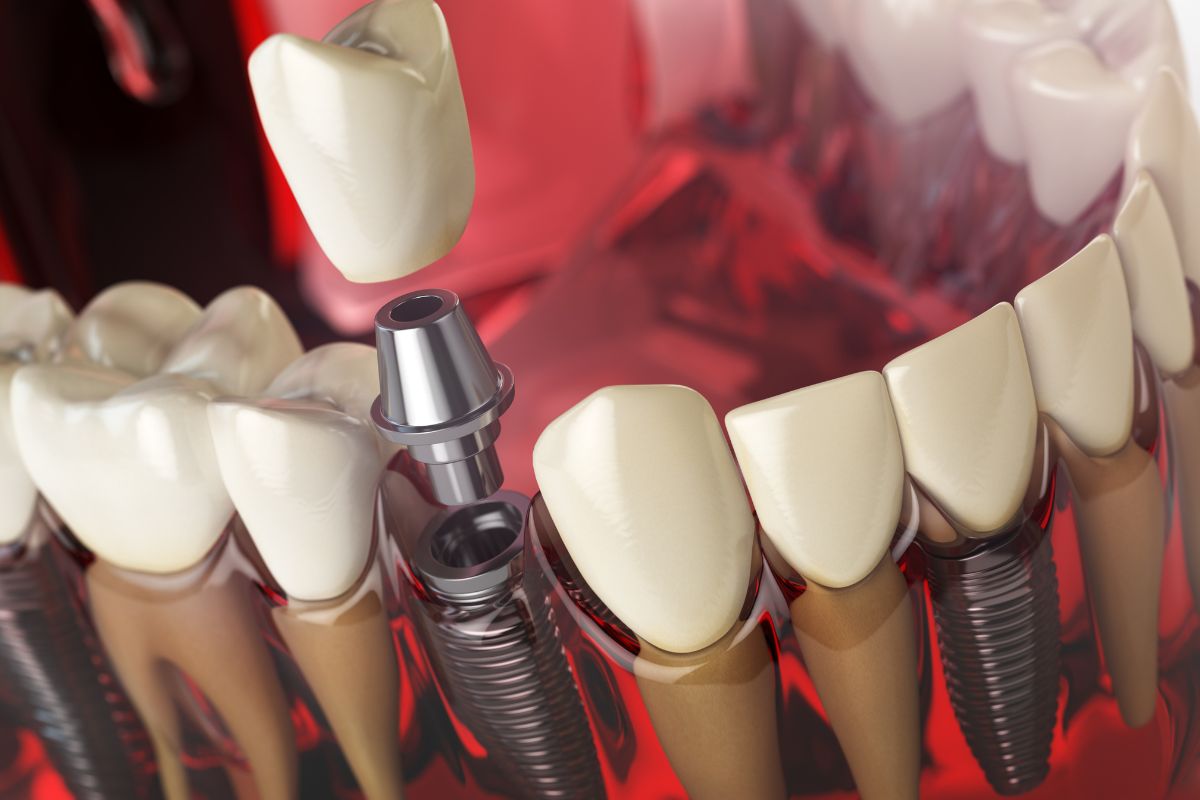
After placement, the implant requires time to integrate with the bone. Once healing is complete, a custom dental crown, bridge, or denture can be attached to restore function and appearance.
What Treatments May Be Needed Before Dental Implants?
Depending on the severity of gum disease, several treatments may be recommended before implant placement.
Deep Cleaning
Also known as scaling and root planing, this treatment removes plaque and bacteria from below the gumline.
Periodontal Therapy
Advanced gum disease may require additional treatment to reduce infection and support gum healing.
Bone Grafting
Patients who have experienced significant bone loss may benefit from grafting procedures to improve implant support.
Ongoing Maintenance
Maintaining healthy gums before and after treatment is one of the most important factors in long-term implant success.
Tips for Protecting Dental Implants After Treatment
Once implants are placed, proper care plays a major role in protecting your investment.
Brush and Floss Daily
Consistent oral hygiene helps remove bacteria that can affect both natural teeth and implants.
Attend Regular Dental Visits
Routine checkups allow your dentist to monitor your gums and identify potential concerns before they become serious.
Avoid Tobacco Products
Smoking and tobacco use can slow healing and increase the risk of complications around dental implants.
Pay Attention to Changes
If you notice swelling, bleeding, discomfort, or gum recession around an implant, schedule an evaluation as soon as possible.
Who Is a Good Candidate for Dental Implants?
Most healthy adults can be candidates for dental implants if they have sufficient bone support and healthy gums. Even individuals who have experienced gum disease in the past may qualify once the condition has been successfully treated.
Your dentist will consider factors such as your oral health, medical history, lifestyle habits, and commitment to maintaining good dental hygiene before recommending treatment.
Restoring Your Smile After Gum Disease With Proper Care
Having gum disease does not necessarily mean you cannot benefit from dental implants. In many cases, successful treatment of the infection and restoration of gum health can create the foundation needed for long-term implant success. Understanding how the dental implants procedure works for patients with a history of gum disease can help you feel more confident about your options and future oral health.
At Mercier Dental, we are committed to helping patients understand their tooth replacement options and maintain healthy smiles for years to come. If you would like to learn more about dental implants and your treatment options in New Albany, MS, request an appointment today.