



Thinking about replacing a missing tooth but worried you might not have enough jawbone to support it? You’re not alone. It’s one of the most common concerns patients bring up before starting the dental implant procedure, and it’s a fair question. The jawbone is what holds an implant in place, so its strength and volume matter more than most people realize. The good news is that “not enough bone” rarely means “no options.” At Mercier Dental, we walk patients through exactly what’s needed and what can be done if there’s a shortfall, so nobody has to guess about their own candidacy.
Why Bone Volume Matters So Much?
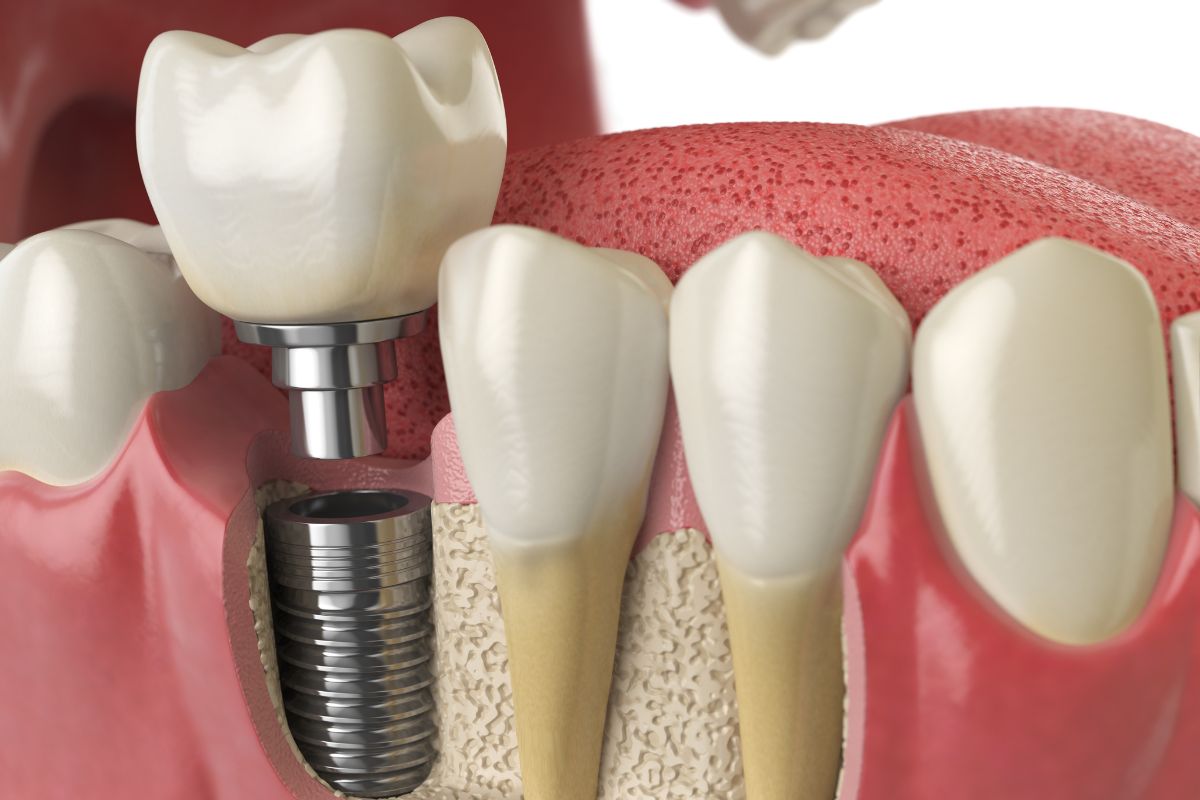
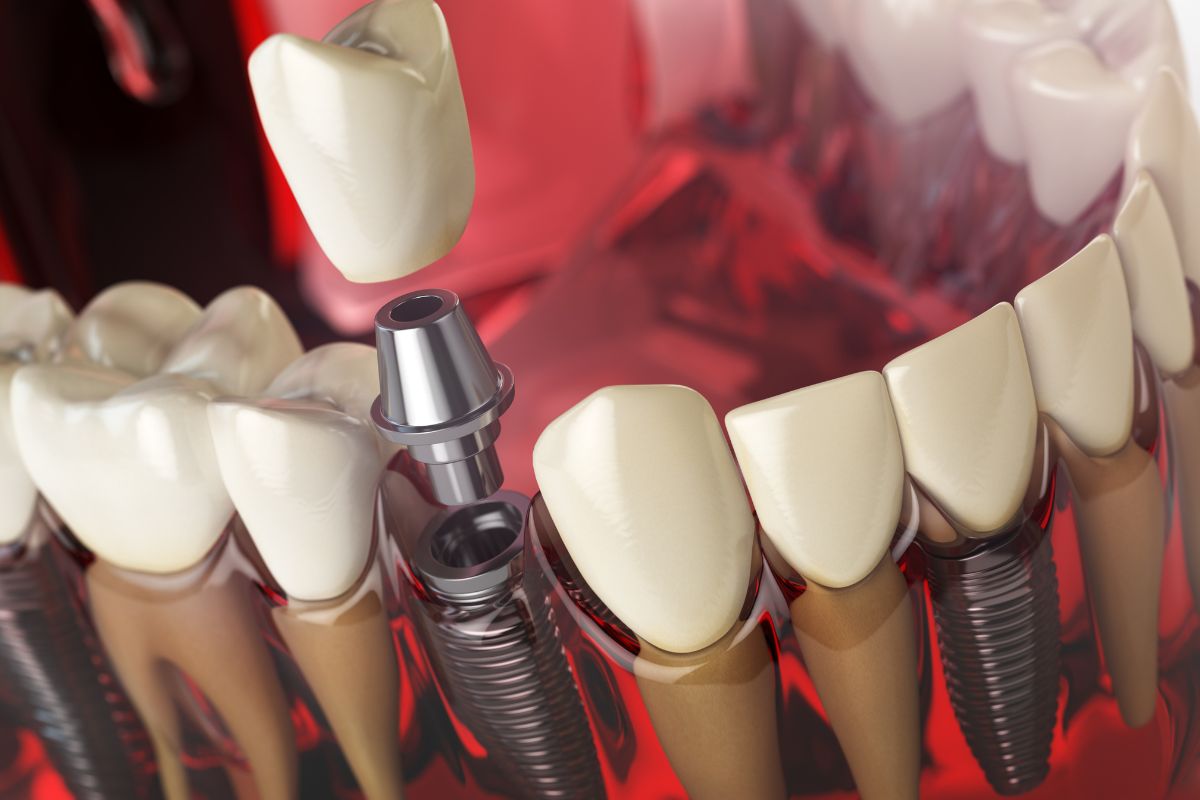
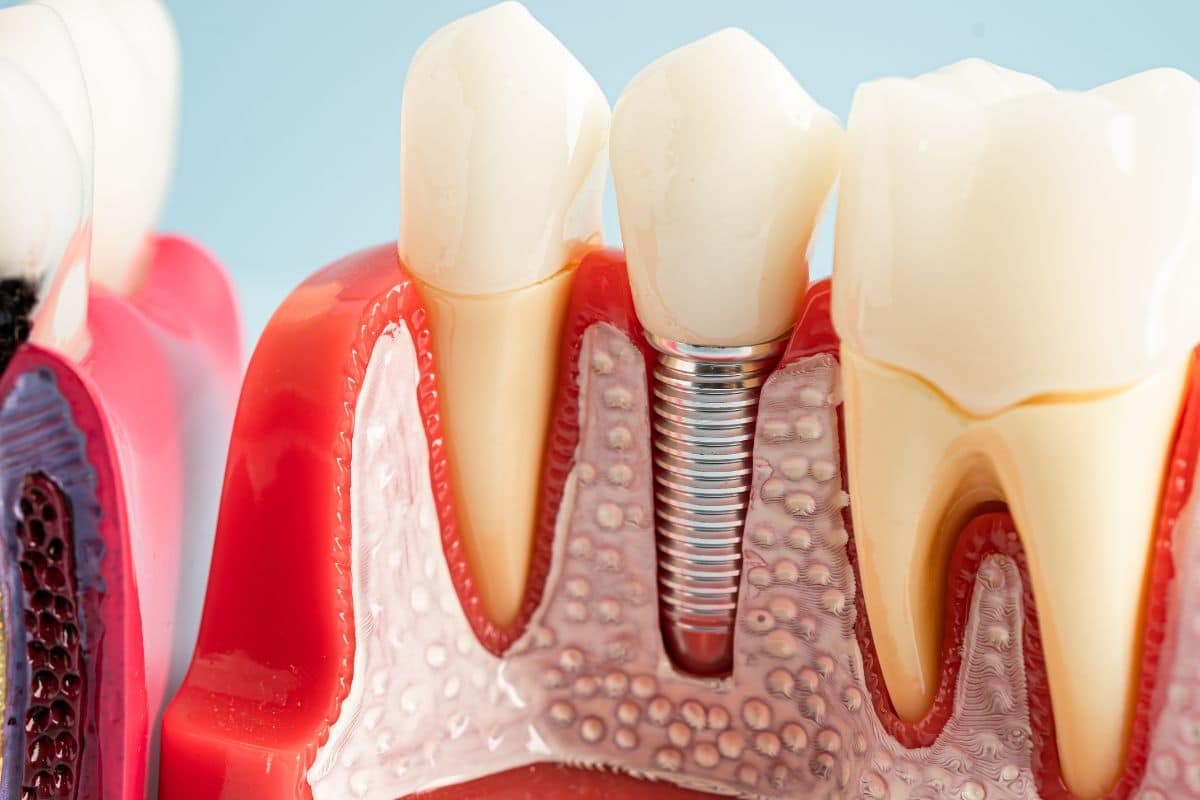
An implant isn’t just glued onto the gum line. It’s a small titanium post that gets placed directly into the jawbone, where it needs to fuse solidly over the following weeks. That fusion process, called osseointegration, is what gives an implant its bite strength and long-term stability. If the bone in that area is too thin, too short, or too soft, the implant won’t have a secure enough anchor, and the risk of it loosening or failing goes up.
Bone loss in the jaw usually happens gradually, often for reasons a person never notices day to day.
What Causes Bone Loss in the Jaw?
- Missing teeth left unreplaced for months or years, since the bone that once supported the tooth root starts to shrink without that stimulation
- Long-term gum disease, which slowly eats away at the bone beneath the gumline
- Ill-fitting dentures that rest on the gum tissue without stimulating the bone underneath
- Facial trauma or injury to the jaw
- Certain sinus conditions that reduce bone height in the upper back jaw
So How Much Bone Is “Enough”?
There isn’t one universal number, since it depends on the tooth being replaced and the type of implant being used. Generally speaking, dentists look for enough bone height and width to fully surround the implant post, giving it a stable seat on all sides. For a standard implant, that often means around 10 millimeters of height and roughly 6 millimeters of width, though this can vary case by case. The only reliable way to know your own numbers is through imaging, which lets your dentist measure the bone precisely before recommending a treatment plan.
What Happens if You Don’t Have Enough Bone?
This is where many patients relax a little, because a bone shortage is very treatable. A bone graft can rebuild the missing structure using graft material that encourages your own bone to grow back in that area. Once healed, the site is often strong enough to support an implant. In some cases, smaller or specially angled implants can be used instead, avoiding the need for grafting altogether. Every situation is different, which is why a hands-on evaluation matters more than trying to self-diagnose from general information online. If you’d like a clear answer about your own bone structure, you can always contact us to schedule an evaluation.
What to Expect During Your Evaluation?
A dentist will typically take digital X-rays or a 3D scan to get an accurate picture of the bone in the area where the tooth is missing. From there, they’ll discuss whether you’re ready for the dental implant procedure as-is, or whether a bone graft should come first. Patients are often surprised at how straightforward this conversation is once they have real numbers in front of them instead of guesswork.
Get the Answers You Need About Dental Implants
Bone loss doesn’t have to be the end of the road when it comes to replacing a missing tooth. With the right evaluation and, if needed, a bone graft to rebuild your foundation, dental implants can still be a realistic option for restoring your smile. At Mercier Dental, we take the time to explain exactly where you stand and what your path forward looks like, so you’re never left wondering. Serving patients throughout New Albany, MS, our team is ready to give you real answers backed by real imaging, not assumptions. Request an appointment today and find out exactly what your smile needs.
Frequently Asked Questions
Can I get dental implants if I’ve had bone loss?
In most cases, yes. A bone graft can rebuild lost structure so the site becomes strong enough to support an implant.
How do I know if I have enough bone for an implant?
The only accurate way is through a dental evaluation with X-rays or 3D imaging, which measures the exact height and width of bone in the area.
Does a bone graft hurt?
Most patients report mild discomfort afterward, similar to a tooth extraction, and it’s manageable with standard aftercare.
How long does healing take before an implant can be placed?
Healing time varies, but it typically takes a few months for grafted bone to become strong enough to support an implant.