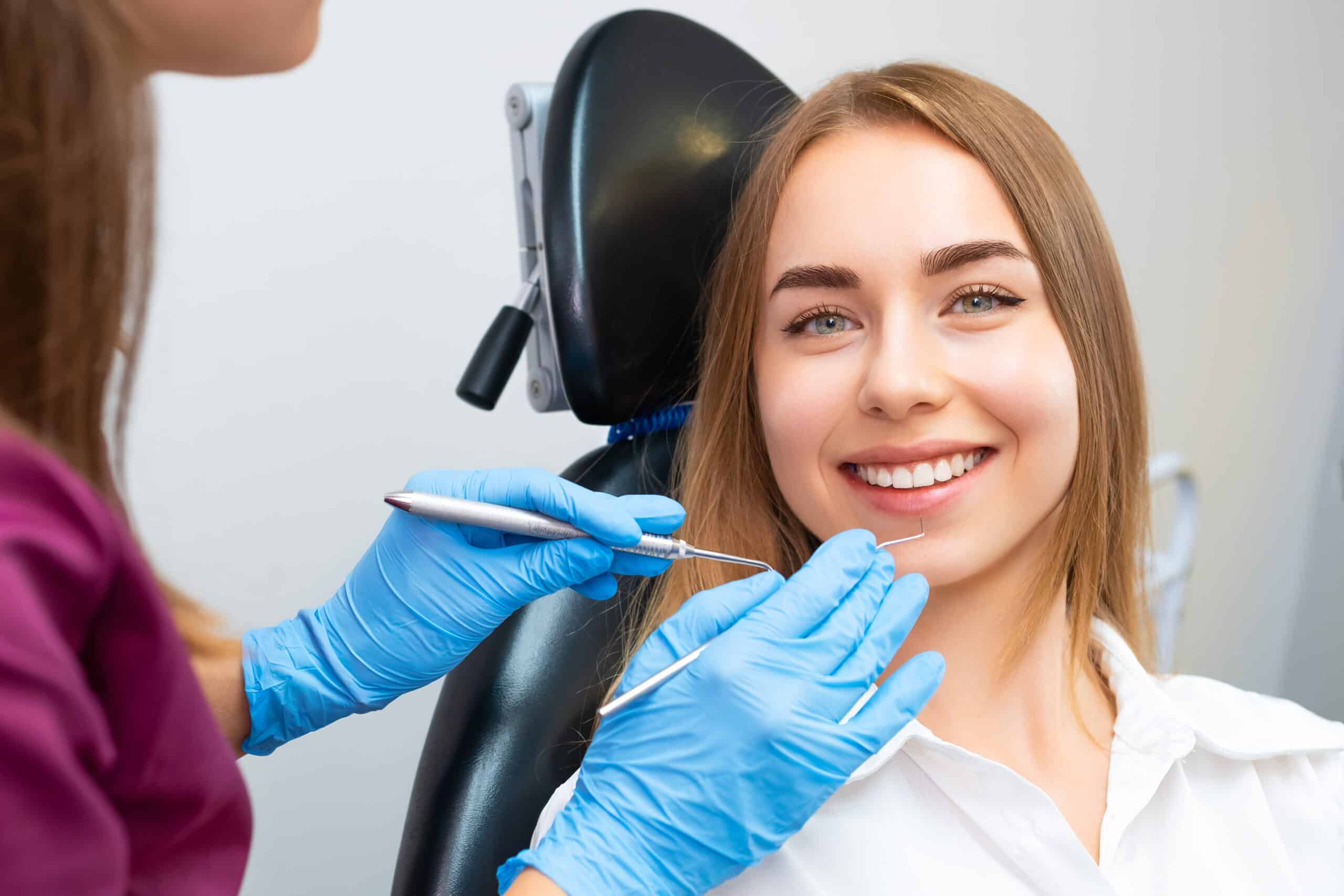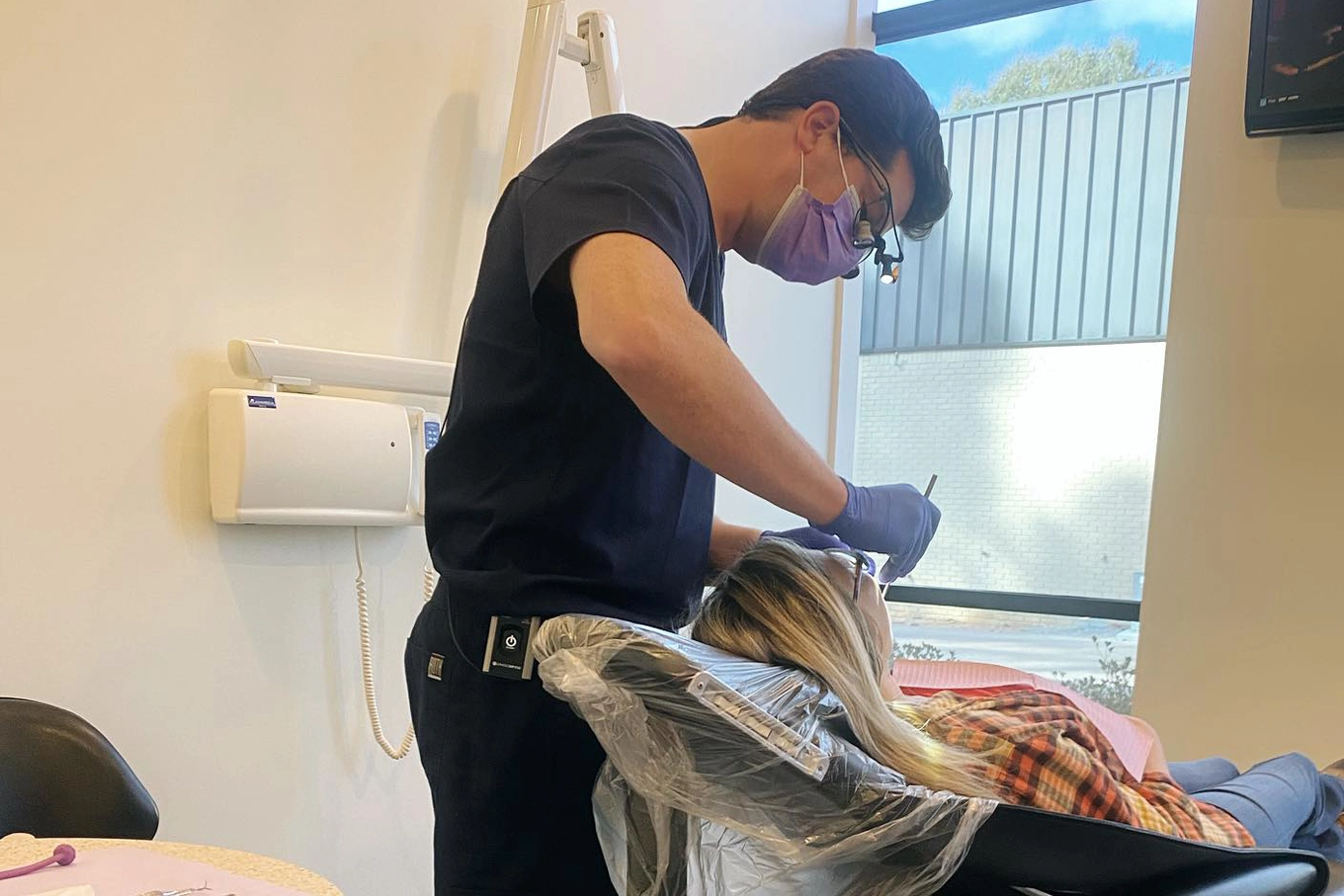




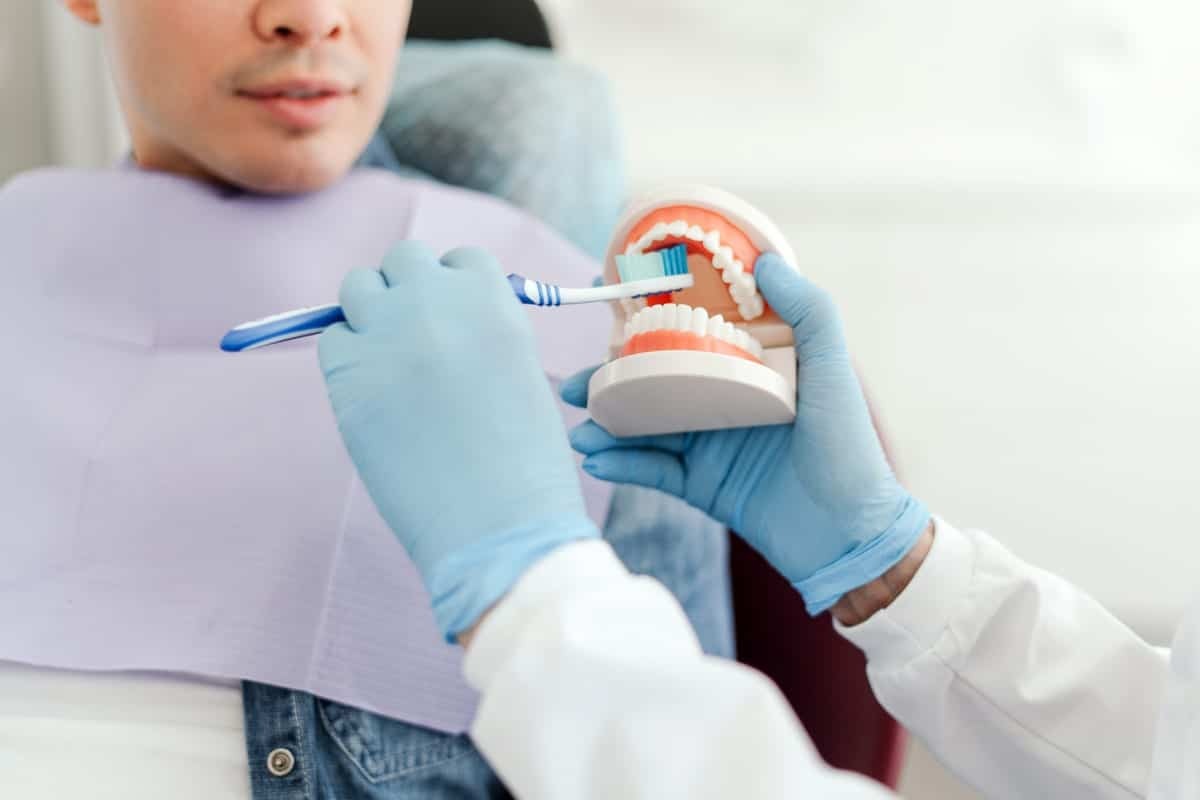
If you’ve ever winced during a dental cleaning, you’re not alone. Many patients in New Albany, MS ask us the same question: why do teeth cleanings hurt, and how do we stop it? Understanding the cause of that discomfort can make a real difference. At Mercier Dental, Dr. Marc Mercier and his team take sensitivity seriously and work hard to keep every visit comfortable.
Why Teeth Cleanings Can Cause Sensitivity in New Albany Patients
Tooth sensitivity during a cleaning is more common than most people think. It doesn’t mean something is wrong with your mouth. It usually means your teeth or gums need some extra attention.
Here are the most common reasons cleanings can feel uncomfortable:
- Gum inflammation: Inflamed gums bleed and feel tender when touched.
- Tartar buildup: Hardened plaque sits close to the gum line and requires firm scaling to remove.
- Exposed tooth roots: Gum recession leaves sensitive root surfaces uncovered.
- Enamel erosion: Thin enamel means less protection for the nerves inside your teeth.
- Dental anxiety: Tension causes you to clench your jaw, making everything feel more intense.
Each of these factors is manageable. Knowing the cause helps our hygienists choose the right approach before they even begin.
What Our Hygienists Do to Stop the Hurt
Our team doesn’t just push through discomfort. We actively adjust our technique to reduce pain at every step. Your comfort is part of the process, not an afterthought.
Before cleaning begins, we ask about your sensitivity history. If you’ve had issues before, we know to move more slowly and use lighter pressure. Communication is the first tool we use.
We also offer topical numbing gel applied to sensitive gum areas before scaling. This reduces the sharpness of sensation without a full injection. Most patients find it makes a significant difference.
For patients with heavy tartar buildup, we may use an ultrasonic scaler. This tool uses gentle vibrations and water to break up deposits. Many patients find it more comfortable than traditional hand instruments.
How Consistent Cleanings Actually Reduce Sensitivity Over Time
Here’s something many patients don’t expect: the more regularly you come in, the less it hurts. Skipping cleanings allows tartar and inflammation to build up. That buildup is the main reason cleanings become painful.
When you visit every six months, there’s less to remove each time. The gums stay healthier and less inflamed. That means less discomfort from start to finish.
Benefits of staying on a regular cleaning schedule include:
- Less tartar accumulation between visits
- Healthier, less sensitive gum tissue
- Shorter appointment times
- Earlier detection of issues like cavities or gum disease
- A lower chance of needing more complex treatments later
Preventive care is the most effective way to protect yourself from both pain and bigger dental problems down the road.
When Sensitivity Points to Something More
Sometimes discomfort during a cleaning is a signal worth paying attention to. If your gums bleed heavily or the pain is severe, it may indicate gum disease. Dr. Mercier will evaluate your gum health at every visit and let you know if you need further treatment.
Sensitivity can also point to enamel loss or tooth damage. In those cases, we may recommend restorative options like crowns or bridges to protect vulnerable teeth. Addressing the underlying cause can reduce sensitivity long-term.
Our goal is never just to clean your teeth and send you home. We want to understand what’s happening in your mouth and give you real answers.
Tips to Reduce Sensitivity Before Your Next Appointment
There are things you can do at home to make your next cleaning more comfortable. Small habit changes between visits add up to a big difference in the chair.
Try these strategies before your appointment:
- Use a soft-bristled toothbrush to avoid irritating gum tissue
- Brush gently along the gum line twice daily
- Floss every day to reduce gum inflammation
- Switch to a sensitivity toothpaste containing potassium nitrate or stannous fluoride
- Stay hydrated; a dry mouth can increase sensitivity
If you feel nervous about your appointment, let us know ahead of time. Our team will walk you through every step so nothing feels like a surprise. We work best when we know what you’re experiencing.
Reassurance for Anxious Patients in New Albany
Dental anxiety is real and very common. Many patients avoid cleanings because of past painful experiences. We understand that completely, and we never judge anyone for it.
At Mercier Dental, we take a gentle, patient-centered approach. We go at your pace. If you need a break during your cleaning, just raise your hand, and we’ll stop immediately.
We also take time to explain what we’re doing as we go. Understanding each step reduces the fear of the unknown. Most anxious patients tell us their appointment felt much easier than they expected.
You deserve to feel comfortable in the dental chair. Our entire team is trained to make that happen for every patient who walks through our door in New Albany.
Conclusion: Comfortable Cleanings Start with the Right Team
Understanding why teeth cleanings hurt and how we stop it in New Albany is the first step toward a better dental experience. Sensitivity has real causes, and we can address each one. With the right techniques, honest communication, and a caring team, cleanings don’t have to be something you dread. Dr. Mercier and the team are here to make your next visit as comfortable as possible. Book Now to schedule your appointment with our team.
Frequently Asked Questions
Is it normal for my gums to hurt during a teeth cleaning?
Yes, some discomfort is completely normal, especially if gum inflammation or tartar buildup is present. It doesn’t mean anything is seriously wrong. Regular cleanings reduce that discomfort over time as your gum health improves.
Can Dr. Mercier use numbing gel before my cleaning?
Absolutely. We routinely apply topical numbing gel to sensitive areas before scaling begins. Just let us know you’re concerned about sensitivity when you arrive. We’ll make sure to address it before we start.
Why do my teeth feel sensitive after a cleaning?
Post-cleaning sensitivity is common and usually temporary. It happens because tartar has been removed, briefly exposing the underlying tooth surface. Using a sensitivity toothpaste for a few days after your appointment typically resolves it quickly.
How often should I get a teeth cleaning to reduce pain?
Most patients benefit from cleanings every six months. If you have gum disease or heavy buildup, Dr. Mercier may recommend more frequent visits. The more consistent you are, the less discomfort you’ll experience each time.
What if my anxiety makes it hard to get through the cleaning?
Please tell us before your appointment. Our team is experienced with anxious patients and will go at whatever pace you need. We can also explain each step as we go, which many patients find reduces their stress significantly.