


Dental implants are a reliable solution for replacing one or more missing teeth due to injury, decay, or other oral health issues. They not only restore chewing function but also enhance the appearance of your smile with natural-looking results. Understanding your restoration options is essential for selecting the treatment that aligns with your needs. This blog will cover the most common types of dental implant restorations and their associated benefits.
What Are Dental Implants?
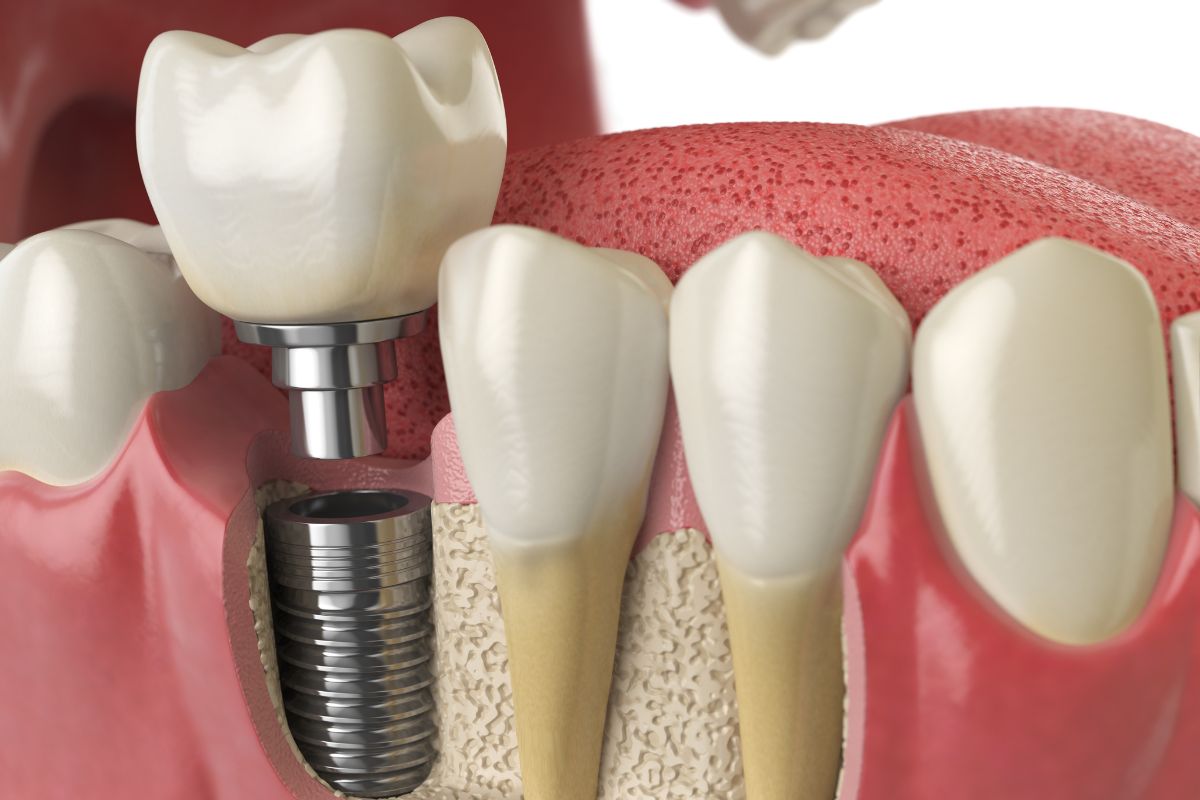
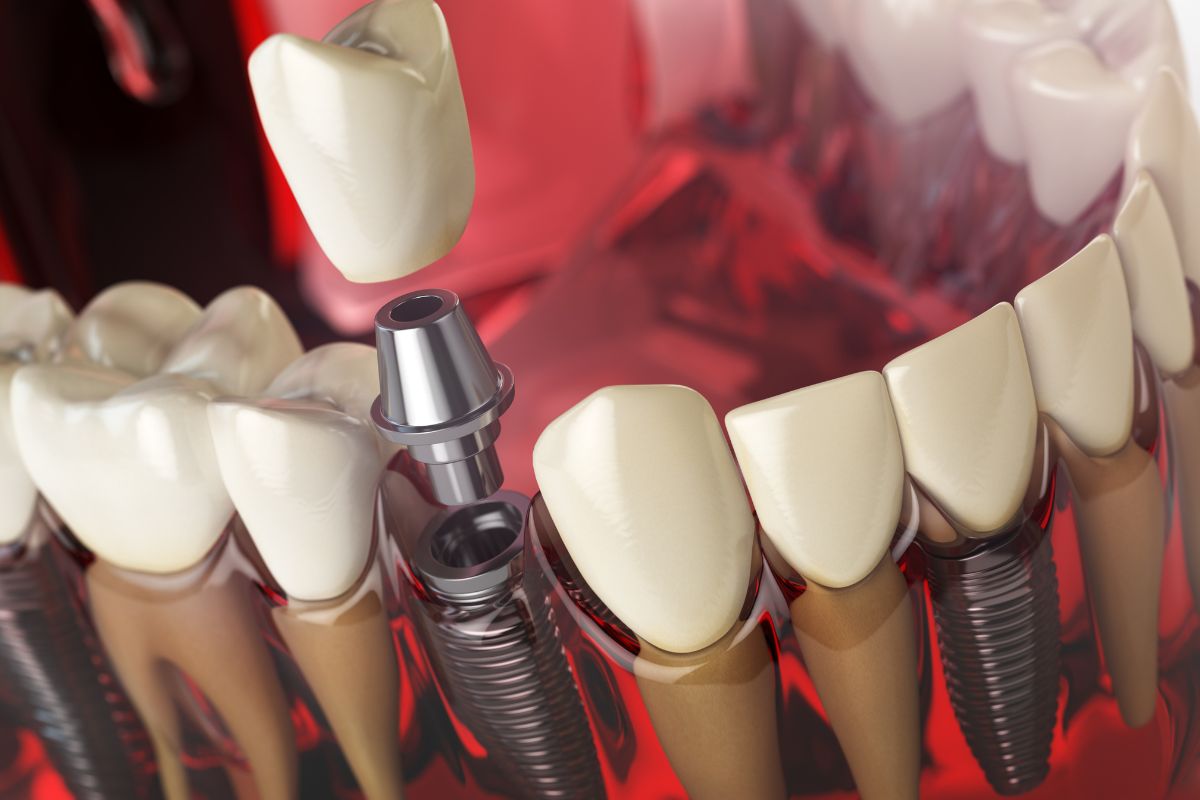
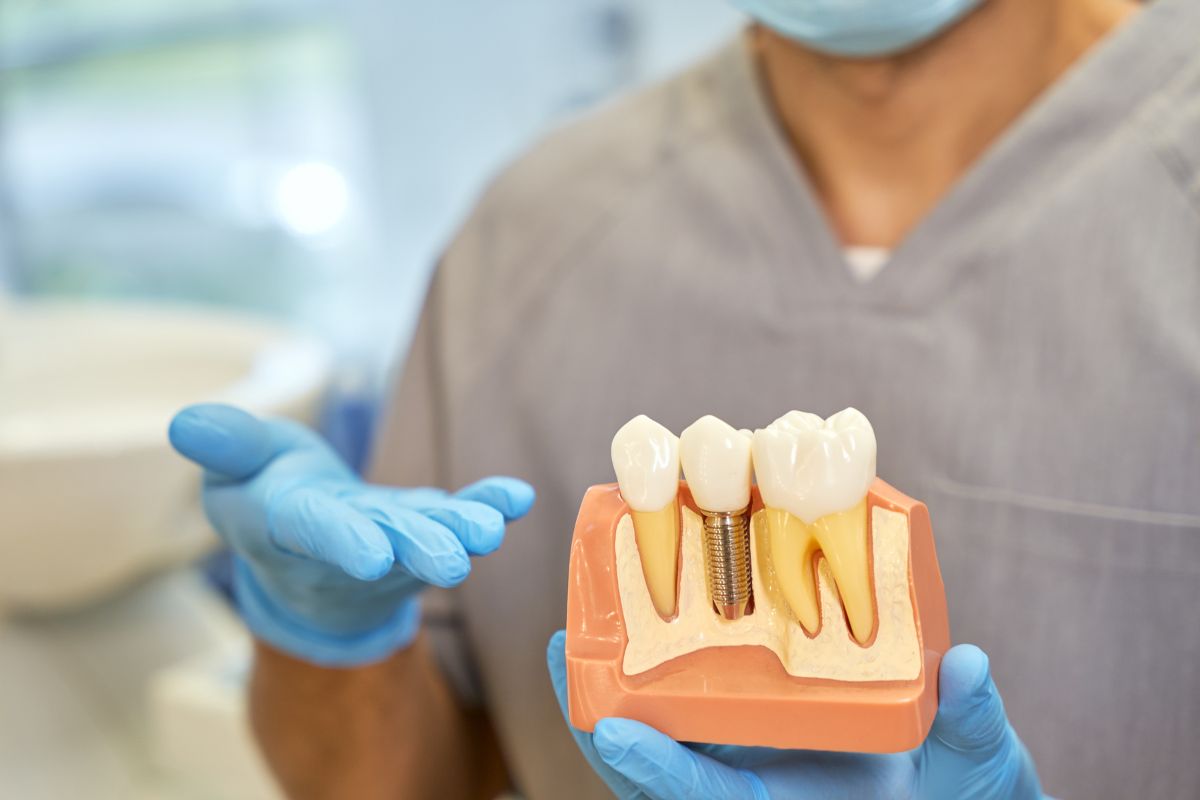
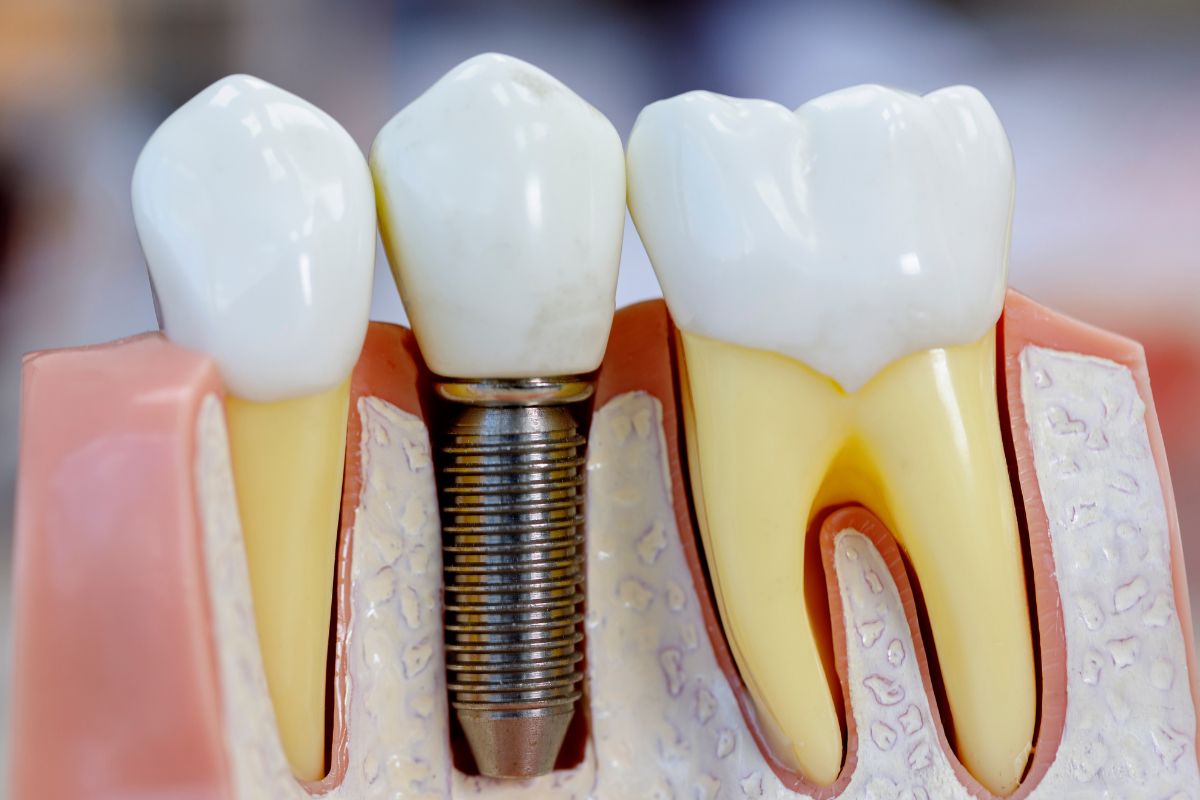
A dental implant consists of three main components:
- Implant Fixture: A titanium or ceramic screw surgically placed into the jawbone, functioning as an artificial root.
- Abutment: A connector that attaches to the implant fixture and supports the replacement tooth or teeth.
- Restoration: This may involve a crown, bridge, or denture, which mimics the appearance and function of natural teeth.
Dental Implant Restoration Options
1. Single Tooth Implant Restoration
Ideal for replacing a single missing tooth, this procedure involves placing a single implant and topping it with a custom-made crown.
Benefits:
- Preserves healthy adjacent teeth
- Offers long-term durability
- Fully restores chewing ability without movement
2. Implant-Supported Bridges
Best for patients missing multiple teeth in a row, implant-supported bridges utilize implants to anchor the bridge, eliminating the need to rely on natural teeth.
Benefits:
- Fewer implants required
- Greater stability than traditional bridges
- Helps maintain jawbone density
3. Full Arch Restoration (All-on-4)
This method uses four strategically placed implants to support a full upper or lower arch of teeth.
Benefits:
- Requires fewer implants
- Often allows for same-day restoration
- Provides long-lasting results with proper care
4. Implant-Retained Dentures
An upgrade from traditional dentures, these are secured to dental implants for increased comfort and function.
Benefits:
- Enhanced stability while eating or speaking
- Helps prevent bone deterioration
- Feels more natural than removable dentures
5. Titanium vs. Zirconia Implants
Choosing the right material for your implant can significantly impact both aesthetics and comfort.
- Titanium Implants: Durable and well-established with excellent integration into bone.
- Zirconia Implants: A metal-free, aesthetic alternative, ideal for patients with thin gums or sensitivity concerns.
6. Mini Dental Implants
Smaller than traditional implants, mini implants are an excellent option for stabilizing dentures or replacing smaller teeth, especially when bone density is limited.
Benefits:
- Less invasive placement
- Quicker recovery
- More budget-friendly
7. Bone Grafting and Sinus Lifts
Patients without sufficient bone may require preparatory procedures before implant placement.
- Bone Grafting: Augments the jawbone using natural or synthetic bone material.
- Sinus Lift: Increases bone volume in the upper jaw to allow for secure implant placement.
These procedures enhance the success and longevity of dental implants for patients with low bone density.
Conclusion
Dental implants offer a flexible and lasting solution for missing teeth, with a variety of restoration methods tailored to your specific needs. Whether replacing a single tooth or a full arch, dental implants can restore both function and aesthetics with impressive, natural-looking results. Discussing your goals with a dental professional will help you determine the best path toward restoring your smile and confidence.
If you’re exploring dental implant solutions, consider scheduling a consultation to learn more about your personalized treatment options.