


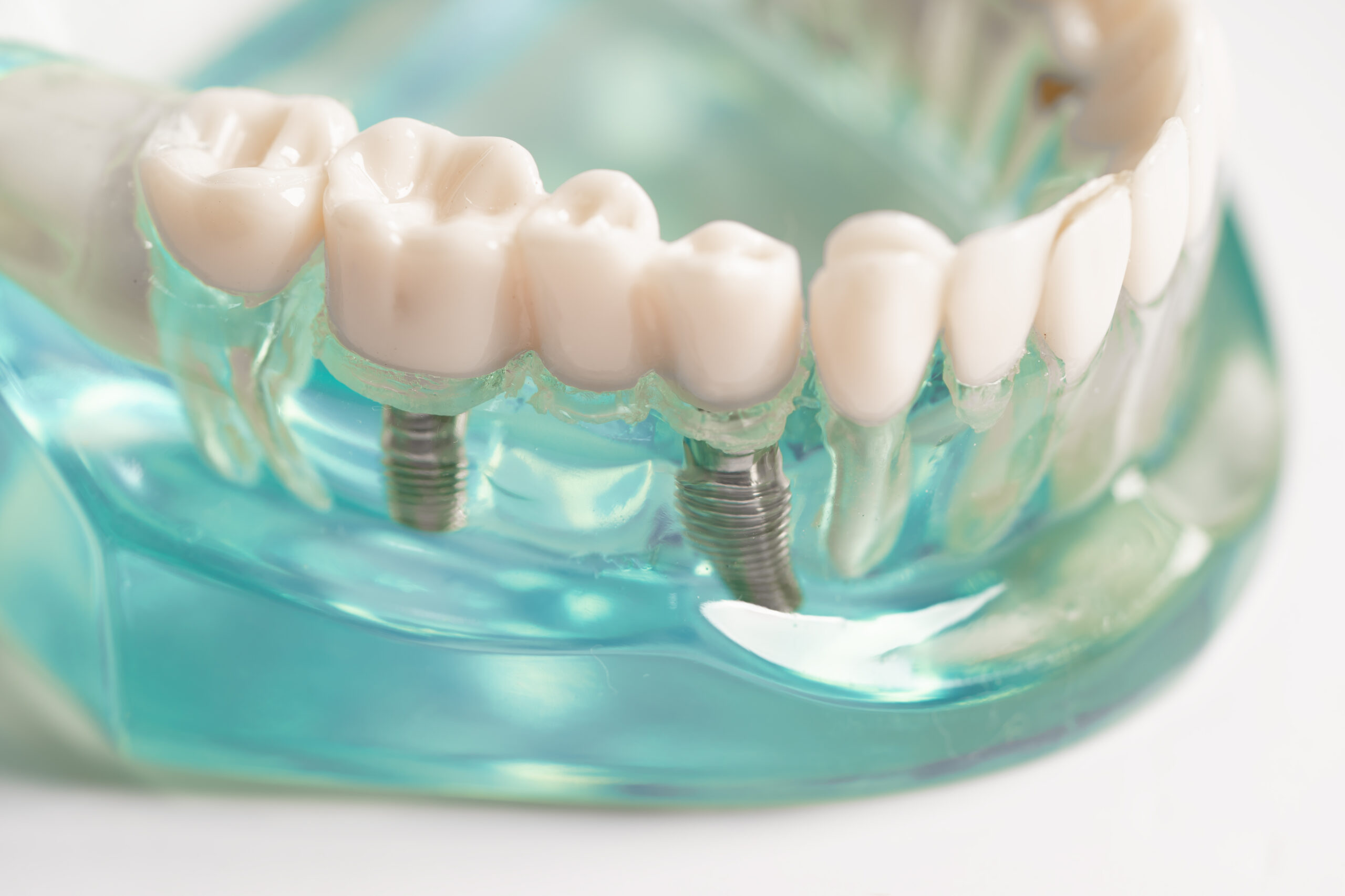
Getting dental implants is a transformative step toward a healthier, more confident smile. But the journey doesn’t end once the procedure is complete. The healing phase plays a vital role in the long-term success of your implants, and what you eat during this time can make or break your recovery.
In this guide, your trusted New Albany dentist outlines the key foods to avoid after dental implant surgery, helping you heal quickly and safely.
Why Diet Matters After Dental Implant Surgery?
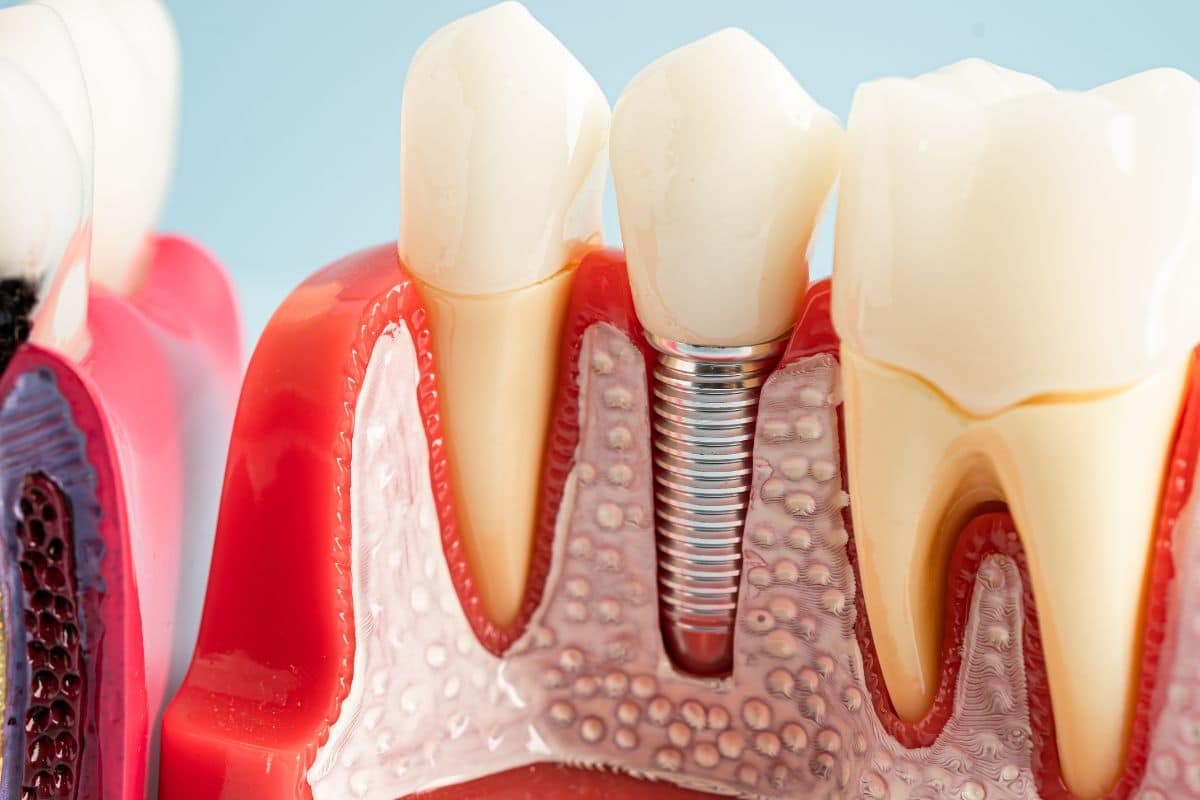
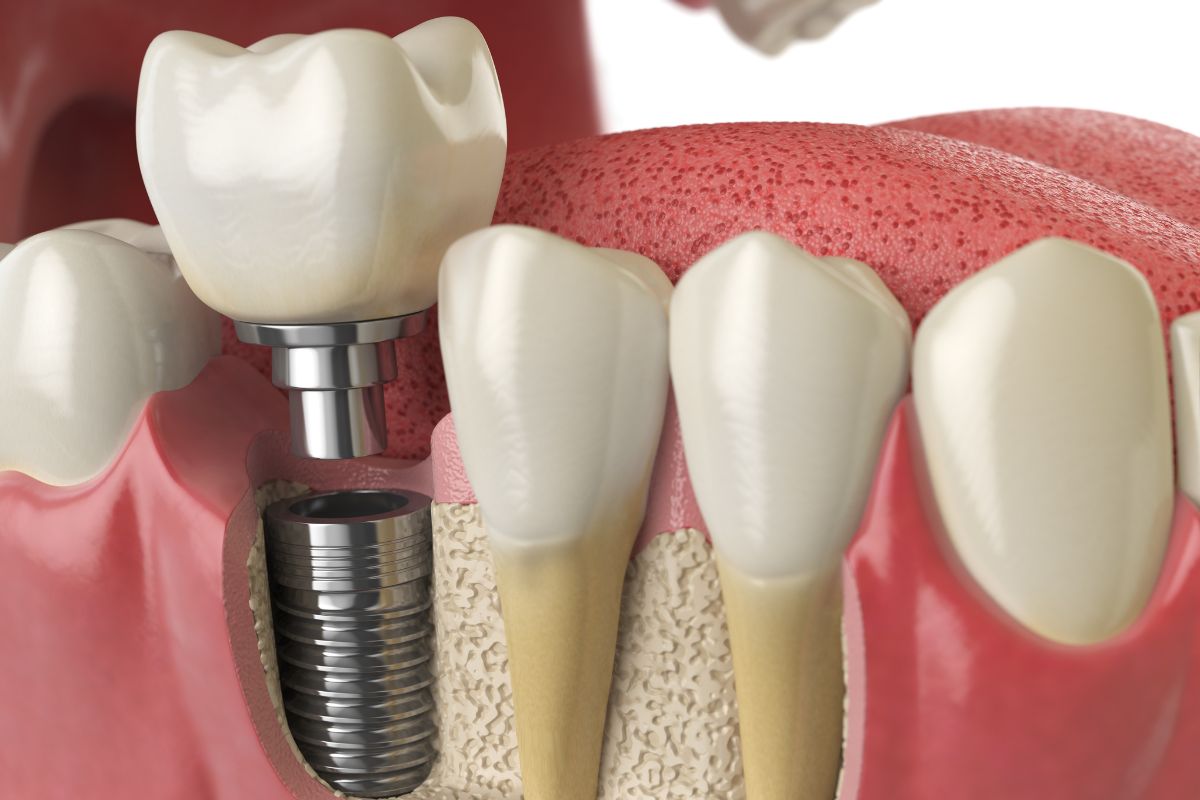
Dental implants require time to bond with the jawbone through osseointegration. During this healing period—typically several weeks—it’s crucial to protect the surgical site, minimize irritation, and prevent infection.
The foods you choose directly impact this healing process. Eating the wrong kinds of foods can delay recovery, cause discomfort, or even compromise the implant.
Top Foods to Avoid After Dental Implants
Here are the primary food categories to avoid immediately after your dental implant procedure:
1. Hard and Crunchy Foods
Hard foods can pressure the implant site, potentially loosening the implant or damaging healing tissues. Avoid items such as:
- Nuts
- Raw vegetables
- Hard candies
- Popcorn
Stick to soft, easy-to-chew alternatives like mashed potatoes, yogurt, or scrambled eggs.
2. Sticky and Chewy Foods
Foods that stick to your teeth or require excessive chewing can dislodge the implant or irritate the surgical area. Avoid:
- Chewing gum
- Caramel
- Gummy candies
- Taffy or sticky breads
These foods also risk harboring bacteria, which could lead to infection near the implant site.
3. Spicy and Acidic Foods
Spicy ingredients and acidic foods can cause inflammation and discomfort, especially when tissues are healing. Limit or skip:
- Hot peppers and spicy sauces
- Citrus fruits and juices
- Tomato-based sauces
Opt for milder options until your gums have fully healed.
4. Alcoholic Beverages
Alcohol can interfere with your body’s natural healing abilities and may interact with prescribed medications such as antibiotics or pain relievers. It can also dry out your mouth, increasing the risk of infection. It’s best to avoid alcohol for at least 72 hours post-surgery, or as advised by your dentist.
5. Carbonated and Sugary Drinks
Soda and other sugary beverages can irritate healing gums and contribute to bacterial buildup. The carbonation may also cause a tingling sensation that can be uncomfortable. Replace these with water or electrolyte-rich drinks.
Best Practices During Healing
Along with avoiding harmful foods, consider these helpful tips:
- Chew on the opposite side: Use the side of your mouth that didn’t receive an implant.
- Maintain oral hygiene: Keep the area clean with gentle rinsing (saltwater is ideal) and avoid vigorous brushing directly on the implant.
- Stay hydrated: Water helps flush bacteria and keeps the mouth clean and moist, which promotes healing.
Midway through your recovery, once your dentist confirms good progress, you can slowly reintroduce more solid foods. But until then, it’s essential to be cautious and patient.
By following these guidelines, you’ll be setting yourself up for a smooth and successful healing experience with dental implants, which New Albany patients can trust.
Conclusion
Your diet plays a critical role in the healing process after dental implant surgery. Avoiding hard, sticky, spicy, and acidic foods while maintaining good oral hygiene can make all the difference in your outcome. If you’ve recently had implants placed or are considering them, our team at Mercier Dental is here to support your journey every step.
Request an appointment today for personalized guidance and expert care for your dental implant needs.