
If you have been searching for answers on porcelain vs. composite veneers and which actually lasts longer in New Albany, you are not alone. Many patients at Mercier Dental ask Dr. Marc Mercier this exact question. Both options can dramatically improve your smile. But they differ in ways that really matter for your daily life and long-term investment.
This guide breaks down the key differences honestly. We cover aesthetics, durability, repairability, cost, and the procedure for each. By the end, you will have a clear picture of which veneer type fits your goals best.
Porcelain vs. Composite Veneers in New Albany: Understanding the Basics
Veneers are thin shells that bond to the front surface of your teeth. They correct chips, stains, gaps, and minor misalignment. Two primary materials are available: porcelain and composite resin. Each has a distinct set of advantages and trade-offs.
Porcelain veneers are custom-crafted in a dental lab. They require two or more visits to complete. Composite resin veneers are applied directly in the dental chair in a single visit. That fundamental difference shapes everything else — cost, longevity, and appearance.
Both types fall under the umbrella of Cosmetic Dentistry New Albany services offered at Mercier Dental. Dr. Mercier evaluates each patient individually before recommending one over the other. There is no universal right answer — only the right answer for your teeth and your lifestyle.
Aesthetics and Natural Appearance: How Do They Compare?
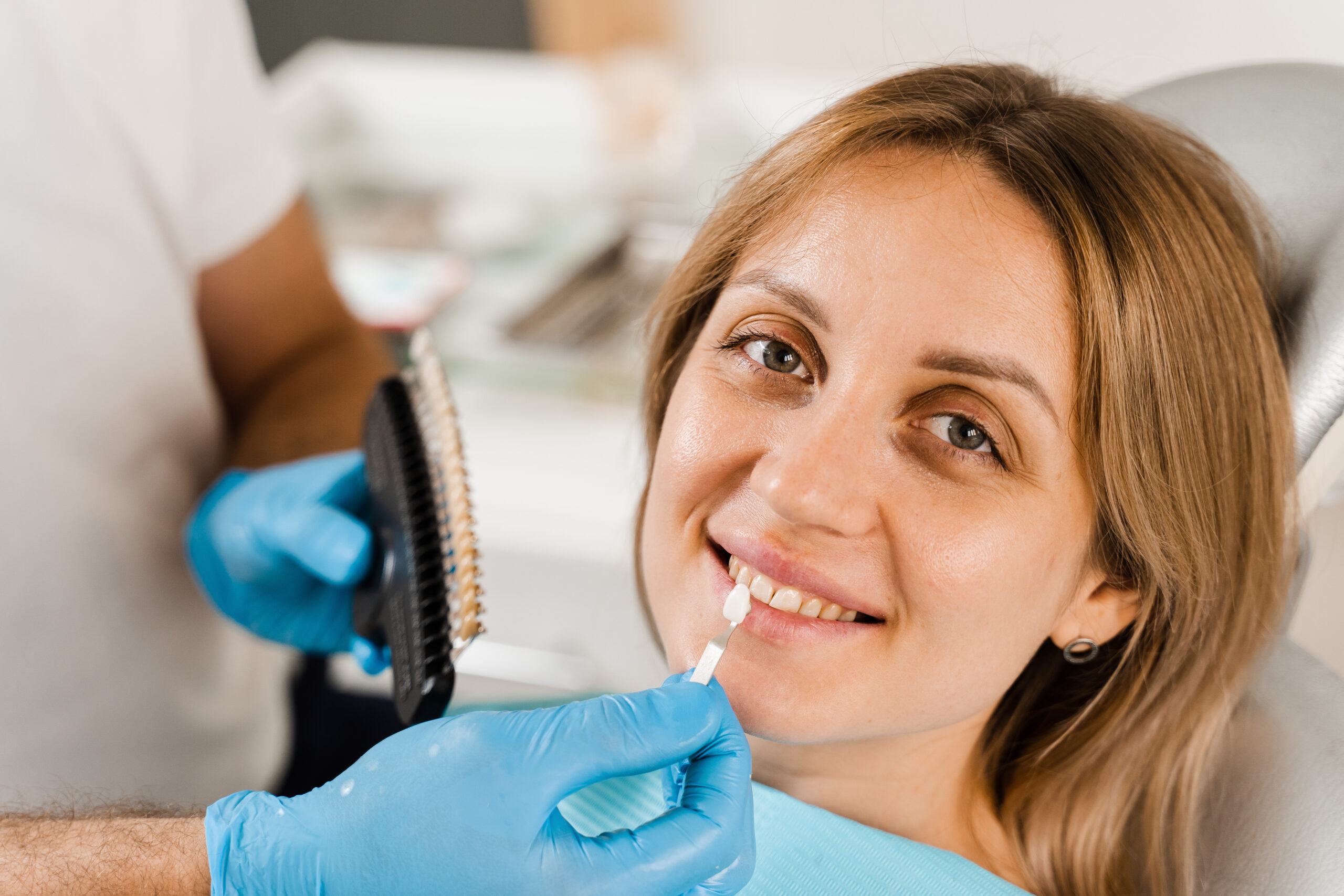
Porcelain closely mimics the light-reflecting properties of natural enamel. It resists staining far better than composite resin does. The result is a bright, lifelike smile that holds its color over time. Most patients find porcelain indistinguishable from natural teeth.
Composite resin has improved significantly over the past decade. A skilled dentist can sculpt and shade it to look very natural. However, composite is more porous than porcelain. It tends to absorb stains from coffee, tea, and wine more readily over time.
For patients who want the most polished, long-lasting aesthetic result, porcelain usually wins. For patients who want a quick, cost-effective improvement, composite still delivers a noticeable and pleasing transformation.
Which Actually Lasts Longer? Durability and Lifespan
This is the heart of the porcelain vs. composite veneers debate for New Albany patients. Porcelain veneers typically last 10 to 15 years with proper care. Some patients keep them for 20 years or more. They resist cracking and staining extremely well under normal conditions.
Composite resin veneers generally last 5 to 7 years before needing touch-ups or replacement. They chip more easily than porcelain. Habits like nail-biting, ice-chewing, or biting hard foods can shorten that lifespan significantly.
Here is a quick durability comparison to consider:
- Porcelain veneers: 10–20 year lifespan, high stain resistance, strong under normal bite pressure
- Composite veneers: 5–7 year lifespan, moderate stain resistance, more prone to chipping
- Both types: Require good oral hygiene and regular dental checkups
- Both types: Can be damaged by grinding teeth without a nightguard
If longevity is your top priority, porcelain is the clear leader. But composite offers value and convenience for patients who are not ready for a permanent commitment.
Repairability, Procedure, and What to Expect
One underrated advantage of composite veneers is repairability. If a composite veneer chips, Dr. Mercier can often repair it in a single visit. The repair blends seamlessly into the existing material. That flexibility makes composite appealing for active patients or younger adults.
Porcelain veneers cannot be repaired if they crack or break. A damaged porcelain veneer must be fully replaced. Replacement involves fabricating a new lab-made shell, which takes additional time and cost. That is an important factor to weigh upfront.
The procedure itself also differs significantly between the two options:
- Composite veneer process: Dr. Mercier lightly etches the tooth surface, applies bonding agent, sculpts composite resin directly onto the tooth, shapes it, and polishes it — all in one appointment.
- Porcelain veneer process: Dr. Mercier removes a thin layer of enamel, takes impressions or digital scans, places temporary veneers, and then bonds the finished porcelain shells at a second appointment.
Because porcelain requires enamel removal, that process is considered irreversible. Composite veneers involve minimal to no enamel reduction in many cases. Patients who prefer a more conservative approach sometimes start with composite for that reason.
Veneers are different from Crowns Bridges New Albany treatments, which cover the entire tooth. Veneers only cover the visible front surface. Dr. Mercier will help you understand which restoration makes sense based on your tooth structure and goals.
Cost Differences and Long-Term Value
Composite veneers cost less upfront than porcelain veneers in most cases. That makes them accessible for patients who want a smile upgrade without a larger financial commitment. However, they require more frequent replacement over the long term.
Porcelain veneers carry a higher initial cost. But when you factor in longevity, fewer replacements, and superior stain resistance, the long-term value often balances out. Many patients find porcelain more economical over a 15-year period compared to replacing composite multiple times.
Benefits of choosing porcelain for long-term value include:
- Fewer replacements over a decade or more
- Consistent color and shine for many years
- Strong resistance to daily staining agents
- Less chair time over your lifetime of dental visits
Benefits of choosing composite for near-term value include:
- Lower upfront investment
- Single-visit completion with no lab wait time
- Easy repairability if chipping occurs
- Reversible in many cases due to minimal enamel removal
Which Veneer Is Right for You in New Albany?
The best veneer choice depends on your individual goals and circumstances. Dr. Marc Mercier takes time at Mercier Dental to understand what you want from your smile. He examines your teeth, discusses your lifestyle, and explains what each option realistically delivers.
If you want maximum longevity and the most lifelike aesthetic result, porcelain is likely your best option. If you want a fast, affordable improvement with more flexibility, composite resin is a strong choice. Neither option is wrong — they simply serve different needs.
Patients in New Albany trust Dr. Mercier for straightforward, honest guidance on decisions like this one. You will never feel pressured toward one option over the other. The goal is always to help you make the choice that fits your life best.
Ready to find out which veneer option is right for your smile? Book Now to schedule your appointment with our team.
Frequently Asked Questions
How long do porcelain veneers last compared to composite veneers?
Porcelain veneers typically last 10 to 20 years with proper care. Composite resin veneers generally last 5 to 7 years before requiring touch-ups or replacement. Porcelain outlasts composite in most cases, making it the more durable long-term option.
Can composite veneers be repaired if they chip?
Yes. Composite veneers can usually be repaired in a single dental visit. Dr. Mercier adds new composite material and blends it with the existing veneer. Porcelain veneers, by contrast, cannot be repaired and must be fully replaced if they crack or break.
Do porcelain veneers stain over time?
Porcelain resists staining very well. It does not absorb pigments from coffee, tea, or wine the way composite resin does. That stain resistance is one of the biggest aesthetic advantages of choosing porcelain for your veneers.
Are veneers reversible?
Composite veneers are often considered reversible because they involve minimal to no enamel removal. Porcelain veneers require removing a thin layer of enamel, which makes the process irreversible. Dr. Mercier discusses this distinction with every patient before treatment begins.
How do I know if I need veneers or crowns?
Veneers cover only the front surface of the tooth and work best for cosmetic corrections. Crowns cover the entire tooth and are used when more structural support is needed. Dr. Mercier evaluates your tooth health and cosmetic goals to recommend the most appropriate restoration for your situation.