
Your shifting teeth and jaw pain mean it’s time for implants in New Albany — and the sooner you act, the better. Many patients ignore these warning signs for months or even years. By the time they visit Dr. Marc Mercier at Mercier Dental, the damage has already progressed. Understanding what these symptoms mean can help you protect your smile before things get worse.
Why Shifting Teeth Are a Serious Warning Sign
When you lose a tooth, the surrounding teeth lose their structural support. Over time, neighboring teeth begin to drift into the empty space. This shifting changes your bite alignment and creates new gaps. Those new gaps invite even more movement — and the cycle continues.
Shifting teeth are not just a cosmetic concern. They affect how you chew, how you speak, and how your jaw functions. Many New Albany patients notice their teeth look different in photos before they feel any discomfort. By that point, the underlying bone has often already begun to deteriorate.
Here are common early signs your teeth are shifting:
- Gaps forming between teeth that were once close together
- Teeth that feel loose or wobbly
- Changes in how your upper and lower teeth fit together
- Difficulty flossing in spots that used to be easy
- A noticeable tilt in a tooth near a missing space
Jaw Pain and Bone Loss — What’s Really Happening
Jaw pain is one of the most overlooked warning signs of tooth loss complications. When a tooth root is missing, the jawbone no longer receives the stimulation it needs. Without that stimulation, the bone begins to shrink — a process called resorption. This bone loss can happen faster than most people expect.
Within the first year of losing a tooth, you can lose up to 25% of bone width in that area. After several years, the bone loss becomes significant enough to affect your facial structure. Many patients describe a sunken or aged appearance around the jaw and cheeks. This is a direct result of bone resorption — not just aging.
Jaw pain can also stem from the uneven pressure caused by shifting teeth. Your jaw muscles compensate for the imbalance, working harder than they should. That overcompensation creates tension, soreness, and sometimes persistent headaches. These symptoms are your body signaling that something needs to change.
Difficulty Chewing — When Eating Becomes a Daily Struggle
One of the clearest signs you’ve waited too long is difficulty chewing. Patients often begin avoiding certain foods — steak, raw vegetables, crusty bread — without connecting it to their dental health. They adapt their diet without realizing they’re masking a serious problem. That adaptation can lead to nutritional gaps over time.
Chewing difficulty also places uneven stress on remaining teeth. Healthy teeth end up bearing the load that multiple teeth should share. This accelerates wear, cracking, and even further tooth loss. What started as one missing tooth can quickly become a more complex situation.
If you recognize these patterns in your daily life, you’re not alone. Many New Albany residents come to Mercier Dental after years of working around the problem. Dr. Mercier takes a compassionate, non-judgmental approach to every consultation. His goal is to help you understand your options — not make you feel bad about waiting.
Why Dental Implants Are the Right Solution Now
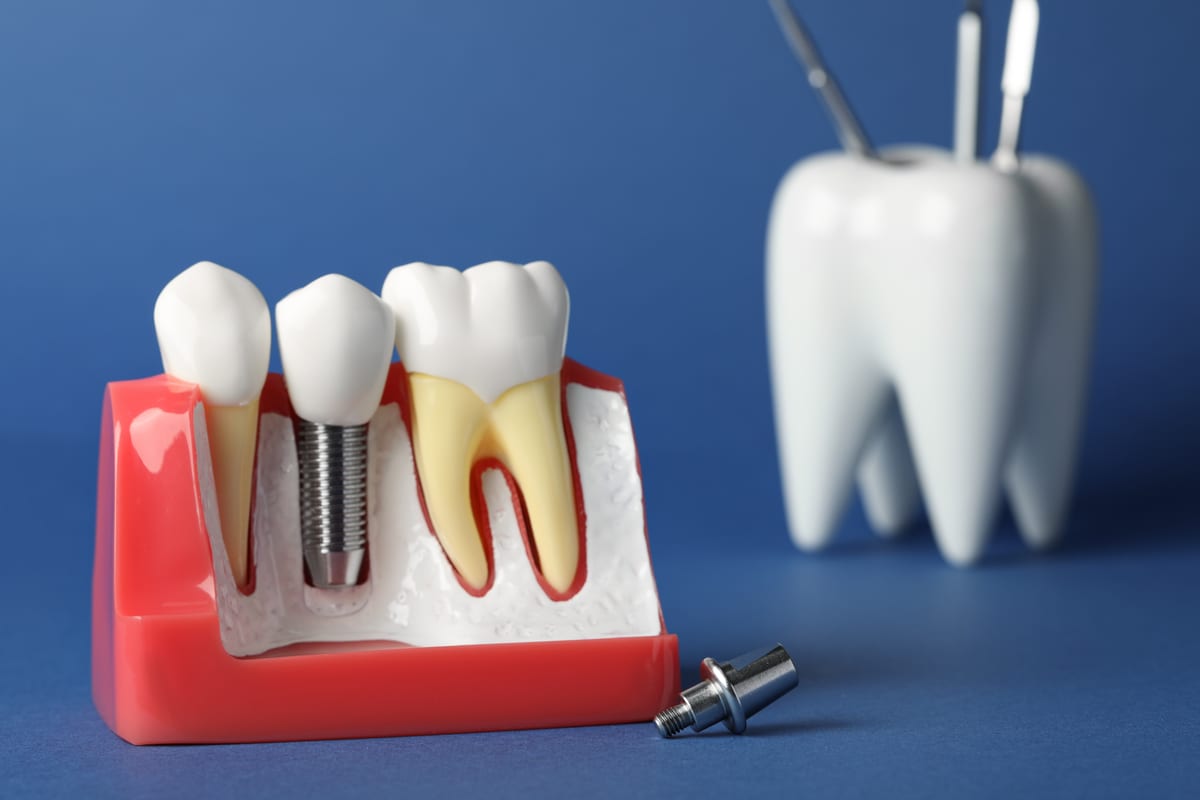
Dental implants address the root cause — literally. The titanium post replaces the missing tooth root and integrates with your jawbone. This process, called osseointegration, restores the stimulation the bone needs to stay healthy. No other tooth replacement option does this.
Implants also stop teeth from shifting. Once the implant is in place, neighboring teeth have a stable anchor beside them. This prevents further drift and protects your bite. Patients consistently report improved confidence, comfort, and chewing function after implant placement.
Benefits of dental implants include:
- Prevents ongoing bone loss in the jaw
- Stops neighboring teeth from shifting further
- Restores natural chewing ability and bite pressure
- Looks and feels like a natural tooth
- Can last decades with proper care
- Supports facial structure and prevents a sunken appearance
For patients dealing with multiple missing teeth, implants can also anchor Crowns Bridges New Albany restorations for a comprehensive solution. Dr. Mercier evaluates every case individually to recommend the most effective treatment plan. The goal is always long-term health — not just a quick cosmetic fix.
Implants as Part of a Complete Smile Restoration
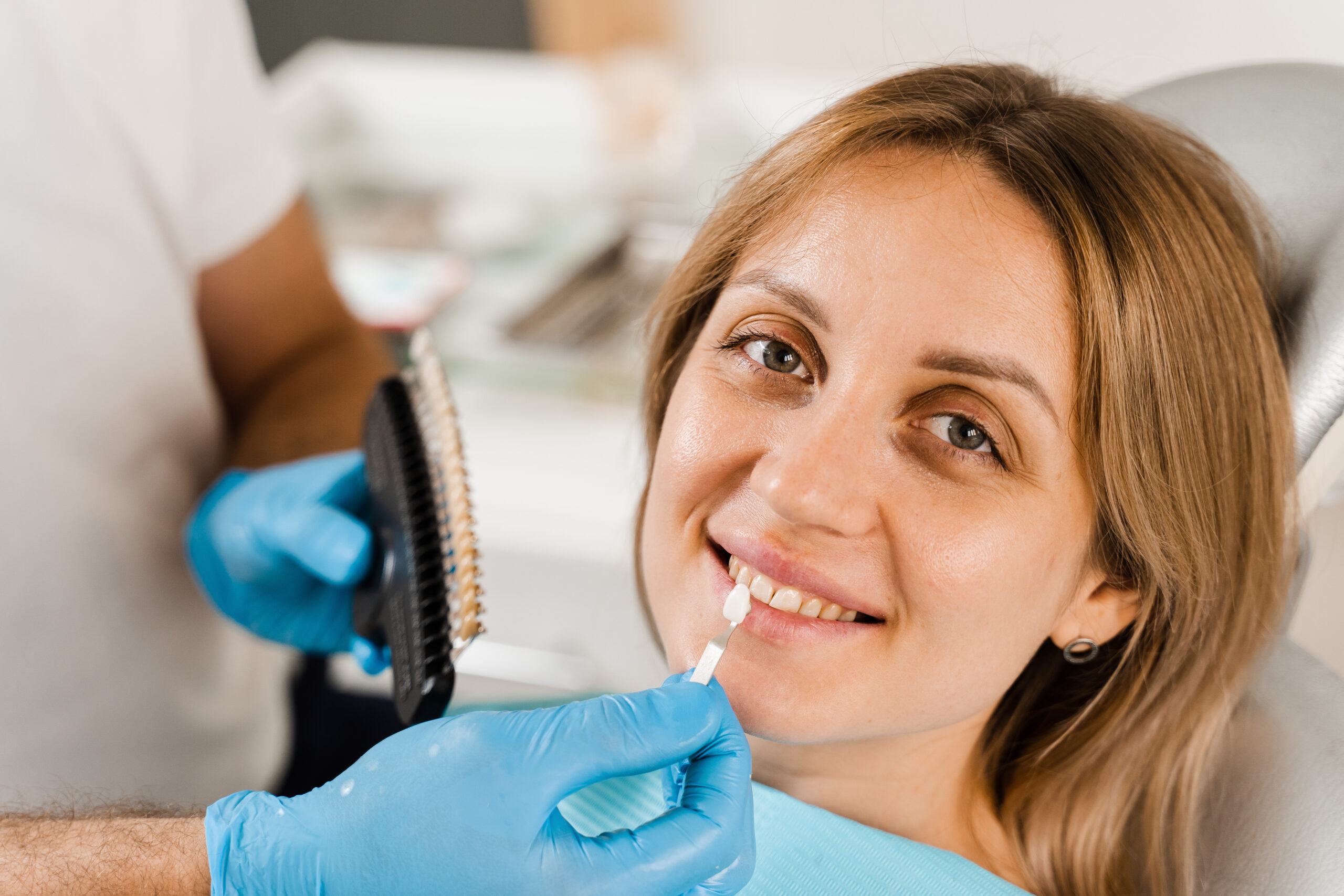
Many patients who need implants also want to address the overall appearance of their smile. Years of shifting, wear, and compensating can leave teeth looking uneven or discolored. Fortunately, implants work beautifully alongside other treatments. Dr. Mercier can combine implants with Cosmetic Dentistry New Albany services to restore both function and aesthetics.
A complete smile restoration might include whitening, bonding, or veneers alongside implant placement. Dr. Mercier creates a sequenced treatment plan that makes sense for your timeline and oral health goals. You don’t have to tackle everything at once. Each step builds toward a healthier, more confident smile.
New Albany patients appreciate that Mercier Dental offers this full range of services under one roof. You won’t need referrals to multiple specialists for most cases. That continuity of care makes the process smoother and less stressful from start to finish.
Take Action Before the Problem Gets Worse
The longer you wait, the more complex and extensive treatment becomes. Bone loss progresses silently. Teeth continue shifting. Chewing gets harder. The warning signs your body is sending you right now are worth listening to.
Dr. Marc Mercier and the team at Mercier Dental in New Albany, MS are here to help you understand exactly where you stand. A thorough evaluation will show the current state of your bone, your bite, and your overall oral health. From there, you’ll have a clear picture of what needs to happen and when.
You don’t have to live with jaw pain, shifting teeth, or the frustration of limited food choices. Implants offer a lasting, proven solution that protects your health for decades. The best time to act was when the tooth was first lost — but the second-best time is today. Book Now to schedule your appointment with our team.
Frequently Asked Questions
How do I know if I have enough bone left for a dental implant?
Dr. Mercier uses detailed imaging during your consultation to assess your bone density and volume. Many patients who believe they don’t have enough bone are still good candidates. In cases of significant bone loss, a bone grafting procedure can rebuild the foundation before implant placement.
Can shifting teeth be corrected once implants are placed?
Placing an implant stops further shifting by filling the gap that was causing movement. However, teeth that have already drifted significantly may need additional treatment to realign. Dr. Mercier will evaluate your bite during your consultation and recommend the appropriate next steps.
Is jaw pain always related to missing teeth?
Not always — jaw pain can have several causes, including teeth grinding or TMJ dysfunction. However, missing teeth and bone loss are common contributors that are often overlooked. A comprehensive exam at Mercier Dental can help identify the root cause of your jaw discomfort.
How long does the dental implant process take?
The full implant process typically takes several months from placement to final crown attachment. This timeline allows the implant to fully integrate with your jawbone. Dr. Mercier will walk you through each stage so you know exactly what to expect at every appointment.
What happens if I keep delaying implant treatment?
Continued delay allows bone loss to worsen, which may eventually make implant placement more complicated or require additional procedures. Shifting teeth can also cause bite problems, worn enamel, and even additional tooth loss over time. Acting sooner protects your oral health and typically simplifies your treatment plan.